In Numbers: Shortfall In Oil Stocks And Saudi's Critical Supply Role
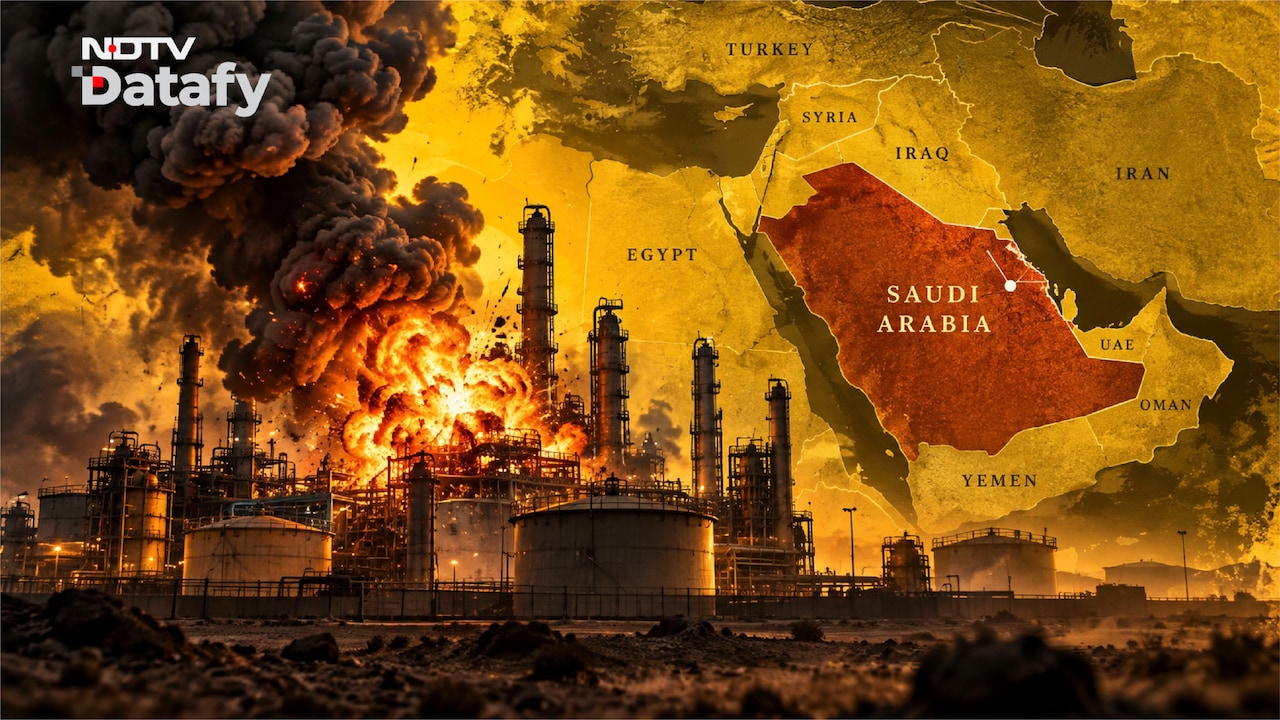
The damage to energy infrastructure during the Middle East war has not only disrupted oil production and supply but has also depleted global inventories and emergency stockpiles. While the conflict continues and the outlook remains uncertain, recent Houthi attacks on Saudi Arabia have added a dangerous new dimension to the global oil crisis.
Oil Stocks Are Running Low
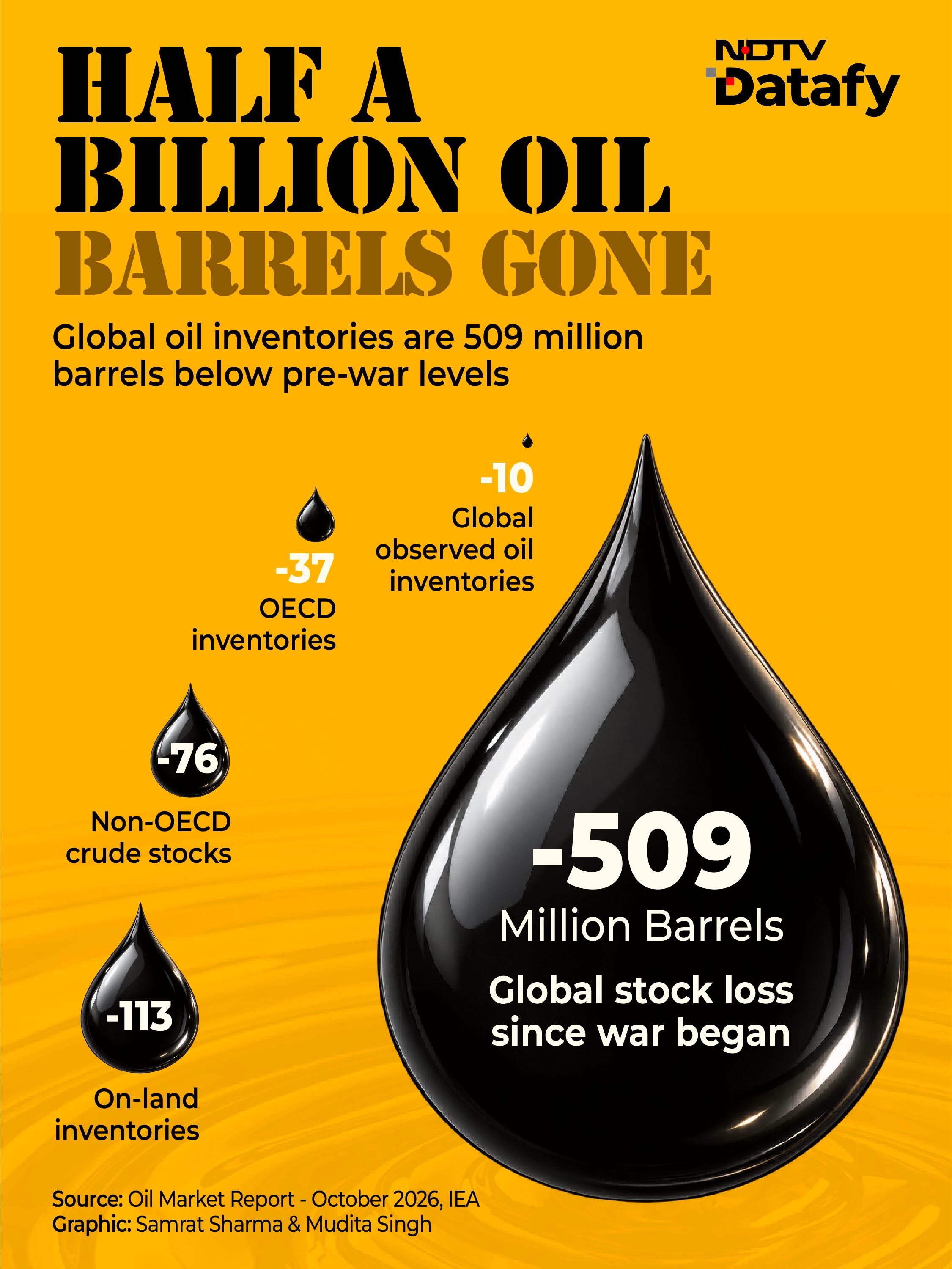
The world has lost more than half a billion barrels of oil inventories since the outbreak of the Middle East conflict.
"Cumulative global observed inventories were a steep 509 million barrels below pre-war levels by the end of September, with on-land stocks hovering at their lowest levels since at least 2016," according to the International Energy Agency's Oil Market Report.
On-land oil inventories alone fell by 113 million barrels in September.
Production Remains Below Target
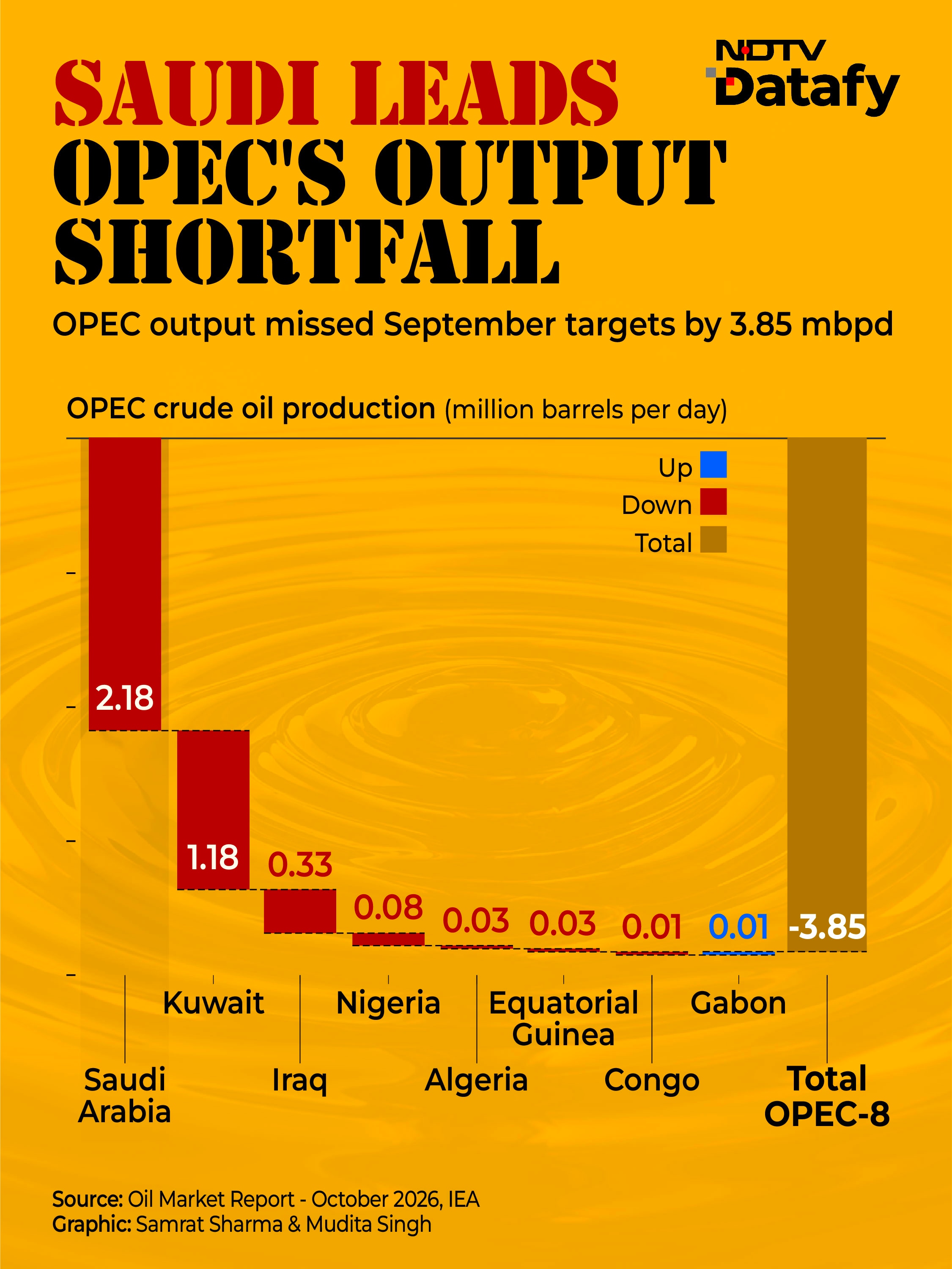
OPEC producers collectively pumped 3.85 million barrels per day (mb/d) below their output targets in September 2026. Saudi Arabia accounted for the largest shortfall at 2.18 mb/d, followed by Kuwait at 1.18 mb/d.
At the same time, the IEA forecasts global oil demand to decline by 2.5 mb/d year-on-year in the fourth quarter of 2026 and by an average of 2.6 mb/d for the year, reflecting the economic impact of higher energy prices and supply disruptions.
Why Saudi Arabia Is The Oil Market's Firefighter
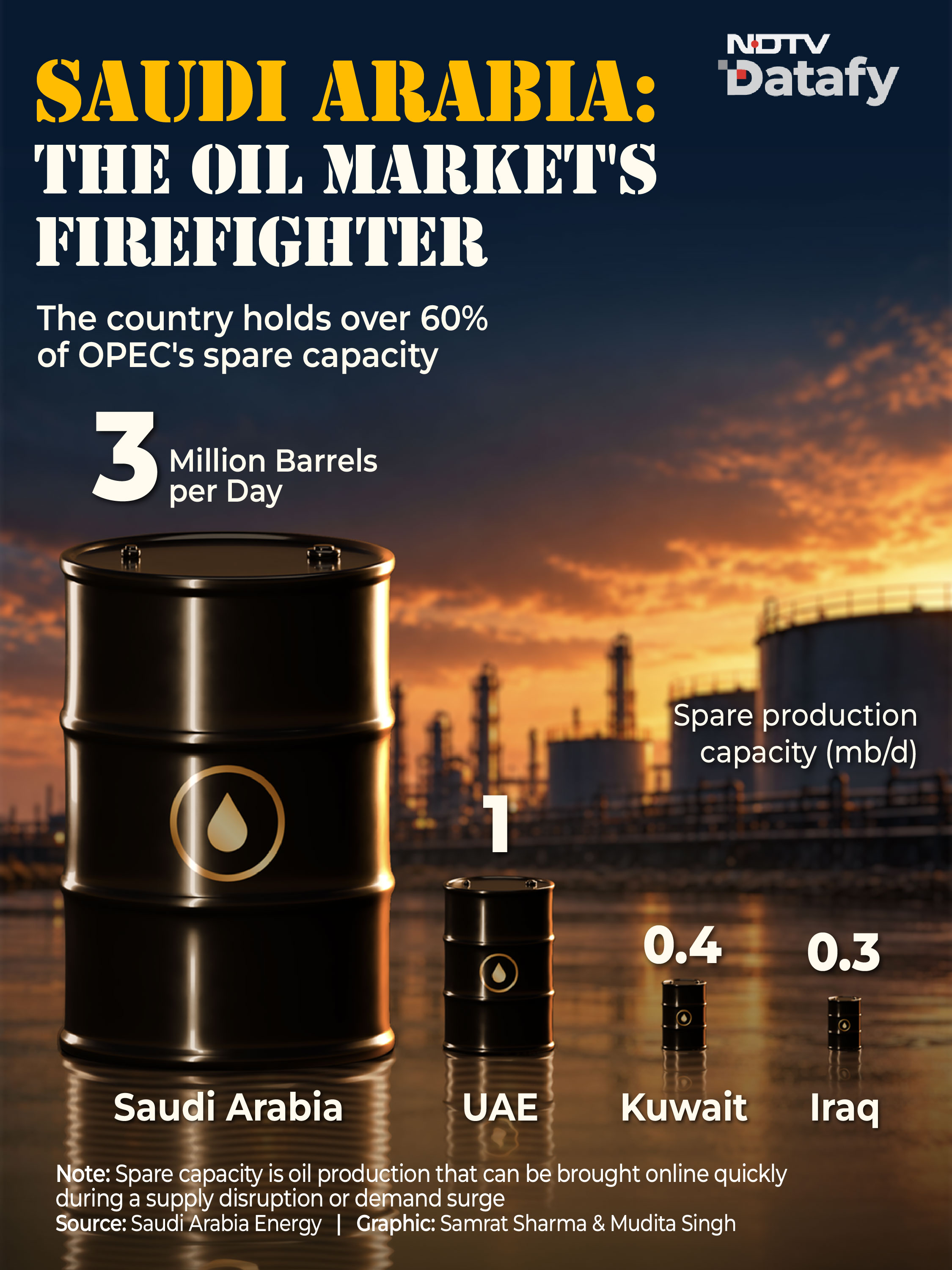
Saudi Arabia is often described as the oil market's firefighter because it holds the largest share of readily available spare production capacity, allowing it to quickly raise output when wars, sanctions or supply outages disrupt global markets.
Among OPEC producers, Saudi Arabia possesses around 3 million barrels per day of spare production capacity, far exceeding the United Arab Emirates' 1 mb/d, Kuwait's 0.4 mb/d and Iraq's 0.3 mb/d, according to Saudi Arabia Energy.
Spare capacity refers to oil production that can be brought online quickly in response to an unexpected supply disruption or a sudden surge in demand. This makes Saudi Arabia the world's most important swing producer and a critical stabilising force during periods of market stress.
Saudi Arabia Has Played This Role Before
Saudi Arabia has repeatedly stepped in during major global supply disruptions. During the 1990 Gulf War, when roughly 4.3 mb/d of oil supply was lost, Saudi Arabia boosted production to help stabilise markets. It played a similar role during the 2003 Iraq War, when supply disruptions removed nearly 2 mb/d from the market.
The kingdom also increased output during the 2011 Libyan civil war, following the 2019 attack on the Abqaiq processing facility, and during the supply turmoil that followed Russia's invasion of Ukraine in 2022.
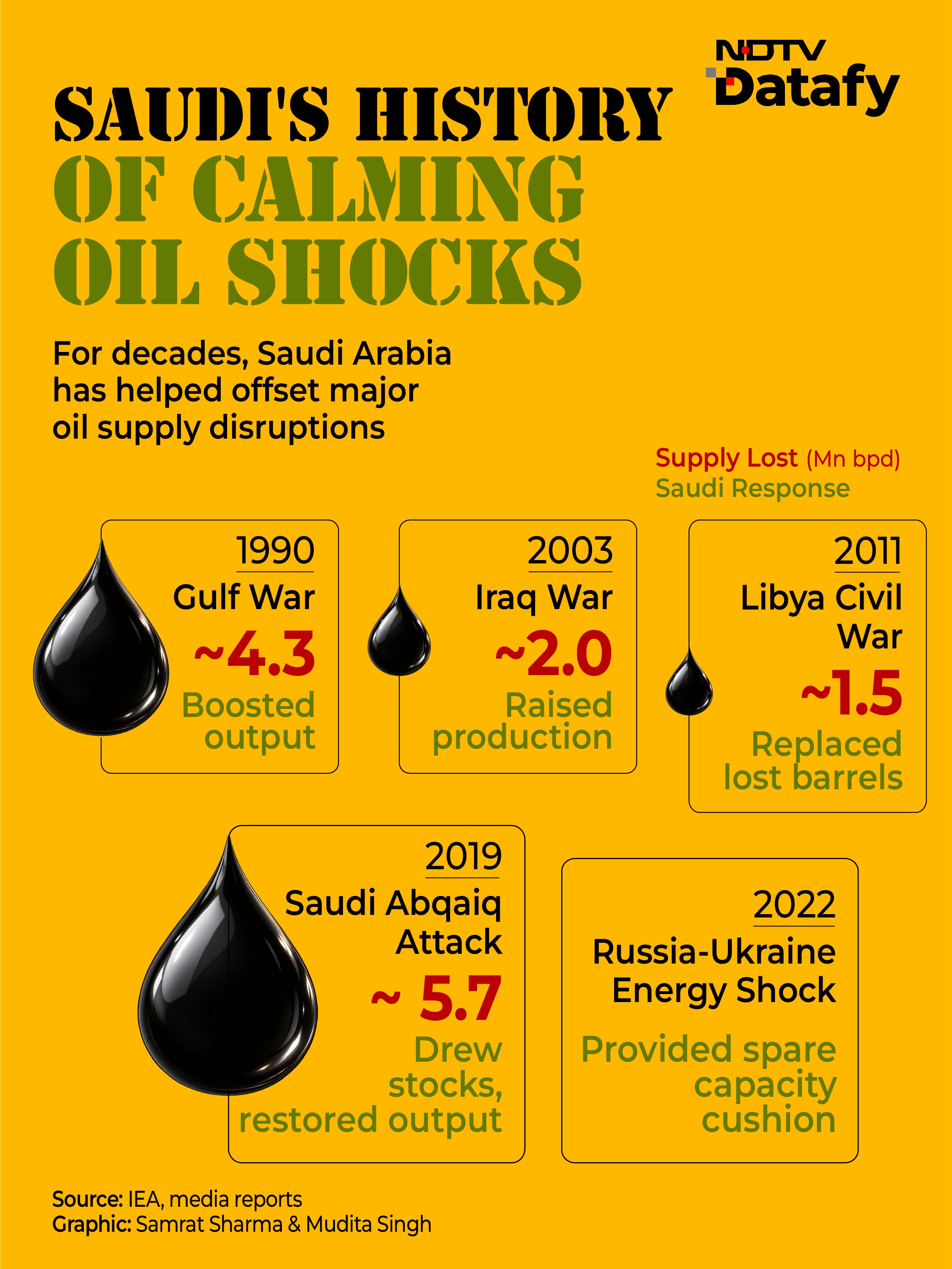
The Middle East conflict has already pushed the oil market into a period of heightened volatility. Renewed attacks on Saudi energy infrastructure raise concerns about the security of one of the world's most important sources of emergency oil supply.
As global inventories continue to shrink and spare capacity becomes increasingly concentrated in a handful of producers, the market's ability to absorb future disruptions is weakening.
"As the remaining buffers in the system continue to erode, in the absence of a resolution to the conflicts in the Middle East, oil markets may experience more turmoil in the months ahead before any eventual surplus emerges in 2027," the IEA warned.
KioskNews shows a cleaned-up reading view extracted from the publisher’s page — the original always lives on their site, not ours.