Parliamentary panel seeks gender-inclusive urban criteria, flags no town councils in 3000 census towns
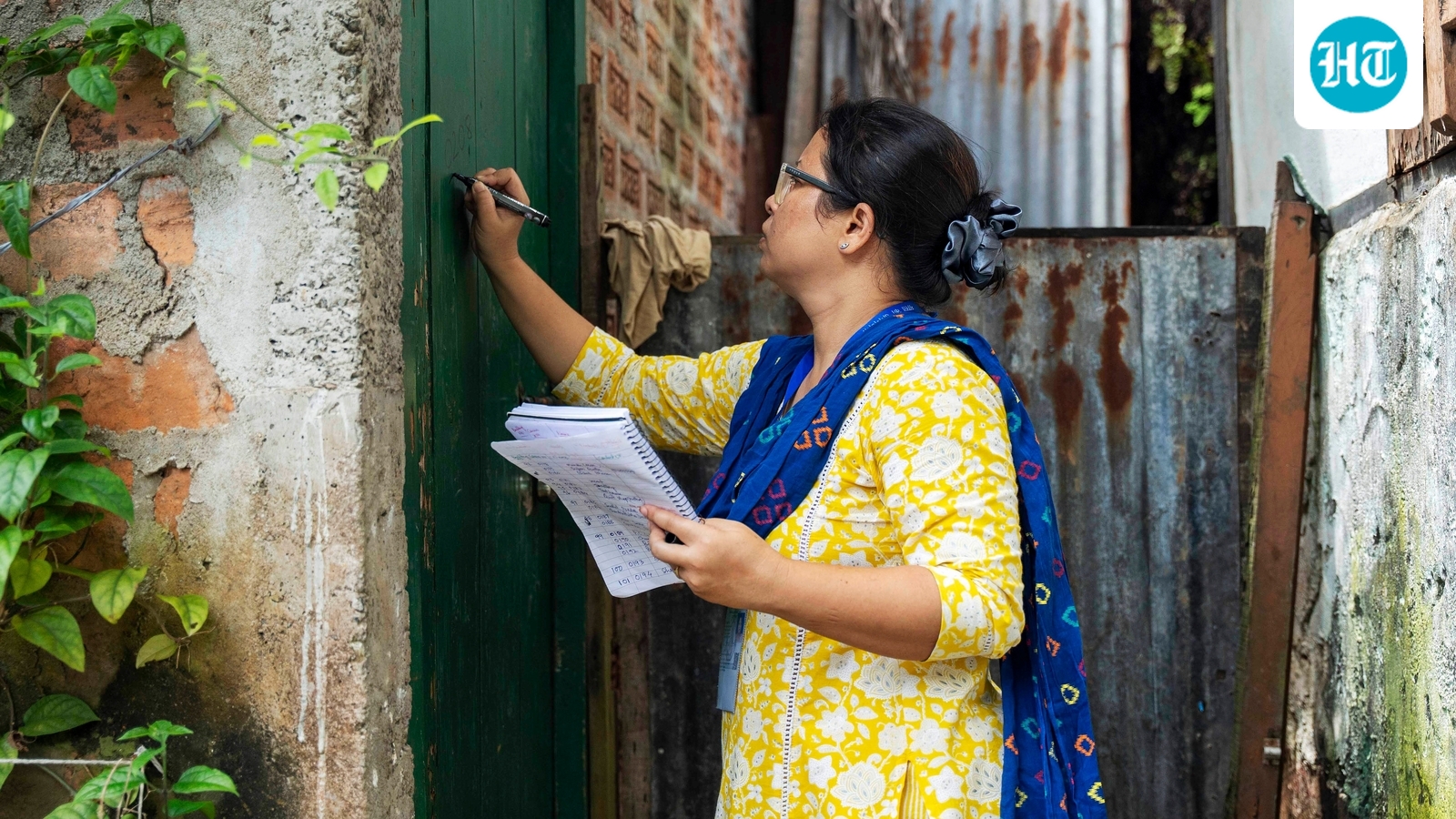
A parliamentary standing committee has called for a review of India’s criteria for identifying urban areas, highlighting that one of the existing tests relies only on the share of male workers in non-agricultural employment and does not adequately reflect women’s participation in the economy.
The panel has also flagged that while the Office of the Registrar General and Census Commissioner of India (ORGI) received the Ministry of Housing and Urban Affairs' (MoHUA) February 23, 2024 Office Memorandum and deemed the proposed regional relaxations to be non-objective, the ORGI never communicated this finding back to MoHUA or asked them to furnish objective criteria.
The Standing Committee on Housing and Urban Affairs also pointed to a possible gap between India’s conventional measure of urbanisation and estimates based on some international definitions. The secretary of the ministry of housing and urban affairs told the committee that India was 36% urban under conventional definitions, while some international definitions suggested the share may already have exceeded 50%.
“The issue of defining urban areas cannot be treated merely as a statistical exercise. It must be examined from the perspective of social justice, gender equality, decentralisation and the constitutional rights of ordinary people,” the committee said in its report on Census criteria for defining urban areas.
Panel rebukes existing criteria
Under the existing Census criteria, a settlement is classified as a Census Town if it has a population of at least 5,000, a density of at least 400 people per square kilometre, and at least 75% of its male main working population engaged in non-agricultural activities.
The committee said the last condition reflected a male-centric understanding of work because it did not adequately capture women’s participation in self-employment, informal and home-based work, service-sector activities and other forms of employment that may be undercounted.
The panel recommended that the ministry commission a focused study to develop a gender-inclusive methodology for identifying urban areas and consider a gender audit of Census definitions and data-collection procedures.
The panel also highlighted difficulties in applying uniform criteria to hill areas and northeastern states. In a February 23, 2024, communication, the housing ministry had suggested reducing the population and population-density thresholds for these regions. However, the committee noted that the ministry had not provided objective criteria.
In several northeastern states, the absence of cadastral surveys has also left gaps in village-area figures, making it difficult to calculate population density and identify Census Towns.
The review comes as India’s urban population is projected to rise from 377 million, or 31% of the population, in 2011 to 876 million, or 53%, by 2050, according to the report. The committee said the definition of urban areas needed to evolve with changing settlement patterns to support effective planning, infrastructure development and delivery of services.
What are Census Towns?
Census Towns are settlements that meet the Census’s urban criteria but are not necessarily administered by urban local bodies. Of the 3,892 Census Towns identified in 2011, 175 have since been notified as statutory towns, and 367 have merged with existing statutory towns. More than 3,000 continue to remain under rural local bodies despite meeting the Census criteria for urban areas.
The committee recommended that the ministry engage with states and union territories after the release of Census 2027 data to examine the feasibility of converting eligible Census Towns into statutory urban local bodies, while maintaining an updated database of their status.
The existing census town criteria have been retained for Census 2027 to ensure comparability with the 2011 exercise.
KioskNews shows a cleaned-up reading view extracted from the publisher’s page — the original always lives on their site, not ours.