Markets fret over growth and inflation despite easing oil prices
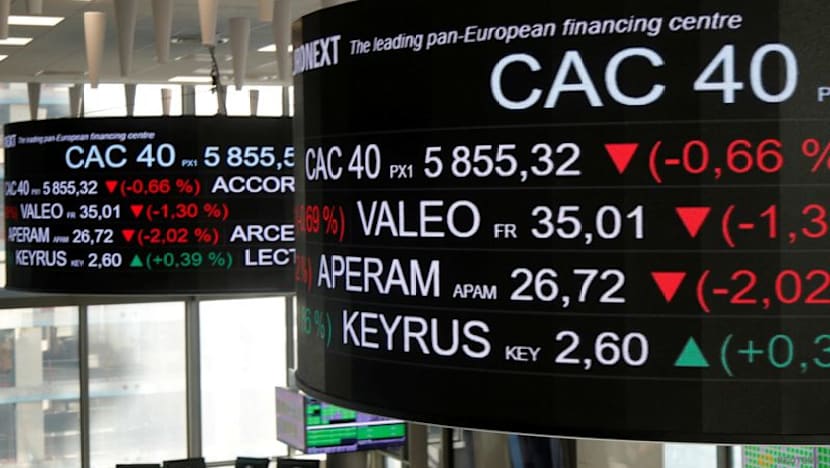
LONDON, Nov 6 : Uncertainty over the growth outlook and expectations that inflation will remain elevated next year are weighing on global markets, even as hopes of a de-escalation in the Iran war have eased oil prices.
Government borrowing costs have risen sharply this year, confidence in the AI boom is faltering and European economic data has softened.
The combination is fuelling concern that inflation could stay high even as growth slows, although the Democratic victory in US midterm elections has raised hopes for an eventual end to the Iran war.
OIL STILL HIGH
Oil has fallen almost 20 per cent this week to below $100 a barrel.
But analysts warn that any resolution to the Iran war remains uncertain, leaving scope for prices to rise again.
Oil is still up almost 60 per cent this year, while natural gas remains nearly three times its level at the start of 2026.
That backdrop is keeping near-term inflation expectations elevated and reinforcing concerns that price pressures could persist as growth slows, forcing central banks to raise interest rates further.
The University of Michigan's measure of one-year US inflation expectations edged up to 4.7 per cent in October from 4.6 per cent in September and 3.4 per cent in February.
Market measures of long-term inflation expectations remain above 2 per cent in the euro zone and the US, and above 3 per cent in Britain.
Higher energy costs add to inflation while also weighing on growth by increasing transport, manufacturing and household expenses.
AllianceBernstein chief investment strategist Inigo Fraser Jenkins said the geopolitical tensions and supply disruptions driving inflationary pressures would persist beyond the US midterms.
"Today it's oil, but next time it could be cobalt, lithium or something else, and we need to get used to that," he said. "It will manifest itself in the form of higher inflation and greater volatility."
FOOD PRICES BITE
Food prices, driven higher by extreme weather, shipping disruptions and elevated energy costs, remain a key inflation concern.
The United Nations Food and Agriculture Organization's Food Price Index is at its highest level in nearly four years.
Costs could rise further, with major consumer goods and food companies warning of price increases to offset higher expenses, while Britain's leading retail trade body has flagged similar concerns.
Food inflation can also fuel broader economic pressures, said Hank Calenti, global markets strategist at SMBC.
"Food inflation makes people start to think that 'there's really inflation here and it's going to stay high and I need to get a better job or my employer needs to pay me more'," he said. "So, those second-round effects come in."
TIGHTER FINANCING CONDITIONS
Analysts say tighter financial conditions are another reason for caution on the growth outlook.
US government borrowing costs surged 85 basis points in the third quarter, while those in France and Italy jumped more than 100 bps. Although yields have eased since then, they remain sharply higher this year.
Demand for safe-haven German bonds should help contain borrowing costs across the euro zone. But a widening spread between French and German debt could tighten financing conditions without any change in European Central Bank policy.
ECB estimates circulated before last Thursday's policy meeting showed the latest rise in bond yields would reduce economic growth by a cumulative 100 bps in 2027-28 compared with September projections.
TECH PAIN WILL BE FELT
Another sign of tighter financial conditions has been a selloff in risk assets, particularly AI-related stocks.
Major stock indexes remain close to record highs, but investors are increasingly questioning the strength of the AI boom and watching the decline in technology shares closely.
More than $2 trillion was wiped off the Nasdaq 100's market value last month alone. Further declines could erode household wealth, raise corporate funding costs and curb investors' appetite for risk, potentially weighing on future investment.
"Financial conditions tightened last week as credit spreads widened, and equity prices fell. But Fed (US Federal Reserve) officials may not yet be ready to conclude they are sufficiently restrictive," Citi said in a note.
DATA PICTURE SOFTENS
Economic growth in the euro zone slowed sharply in October as demand came close to stalling, while rising costs squeezed businesses and confidence fell to its lowest level in five months, data showed on Wednesday.
Citi's European economic surprise index, which measures whether data beat or missed expectations, is also pointing lower.
US growth remains resilient, supported in part by heavy investment in AI infrastructure.
RJ Gallo, chief investment officer for global fixed income at Federated Hermes, cautioned against overusing the term stagflation, which describes a combination of high inflation, weak growth and elevated unemployment.
He noted that the US economy continues to grow at a solid pace and that unemployment, at 4.2 per cent, remains low by historical standards, adding that "inflation continues to be the Fed's primary concern".
KioskNews shows a cleaned-up reading view extracted from the publisher’s page — the original always lives on their site, not ours.