From salmon to kanagashira: How Sushiro is helping S’pore diners discover a wider world of Japanese flavours
Kobujime, a traditional Japanese technique of curing fish with kelp, is more commonly associated with specialist Japanese restaurants than conveyor belt sushi in Singapore.
Yet diners got a taste of it on Sushiro’s July seasonal menu this year, alongside regional specialities such as salted beltfish from Miyagi prefecture and the lesser-known kanagashira, a small marine fish.
For Shinji Kashima, managing director of Sushiro Singapore, the growing interest in such offerings shows just how much local tastes have evolved since the chain opened its first outlet at Tiong Bahru Plaza in 2019.
While salmon and aburi (seared) sushi remain popular, Singaporeans are increasingly venturing beyond familiar favourites to explore varieties traditionally enjoyed in Japan.
“Salmon remains a popular choice among Sushiro diners, but tastes have evolved since we entered Singapore in 2019. Items that sell well in Japan, such as tuna and shellfish, are now gaining popularity here too,” says Kashima.
He believes Singaporean diners increasingly value a Japanese dining experience that stays true to its culinary traditions, rather than one heavily adapted to local tastes.
Singapore’s growing appetite for Japanese food
Singapore’s Japanese dining scene has become more varied over the years, with everything from high-end establishments and specialist restaurants to affordable casual chains, Kashima observes.
Frequent travel to Japan has also helped broaden local palates, with diners showing greater interest in seasonal ingredients and regional specialities.
“Japanese food has become established in Singapore not simply as a special-occasion luxury, but as a familiar dining-out option that people regularly enjoy in their daily lives,” he says.
At Sushiro, monthly promotional menus offer diners the chance to try different seasonal ingredients – sometimes with surprising results.
One example is fugu (pufferfish), a Japanese winter delicacy that must be specially processed by licensed experts in Japan to remove its toxic parts before it can be exported to markets like Singapore.
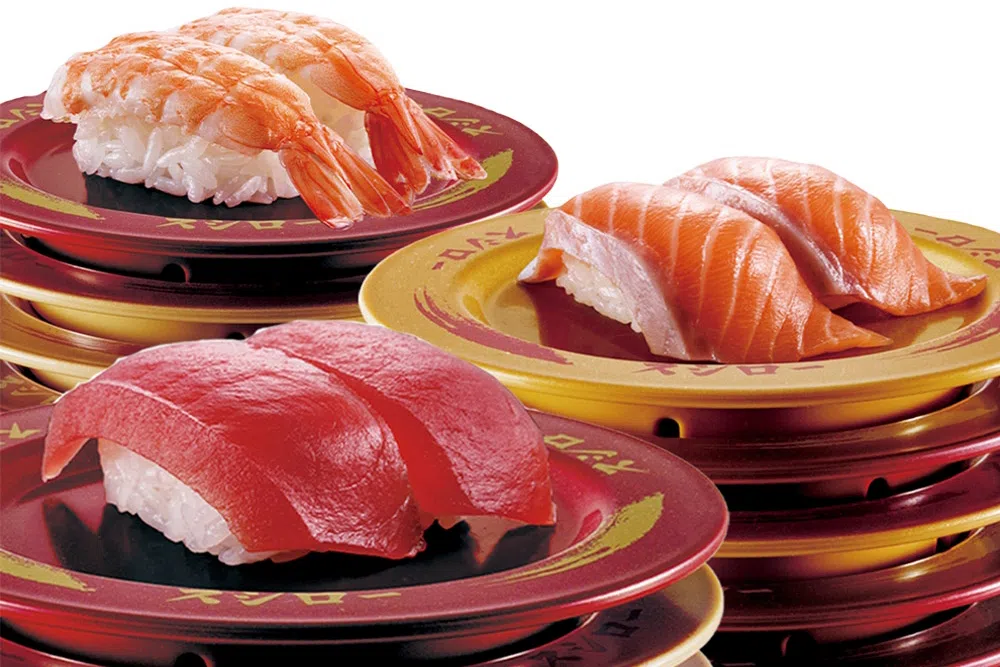
From salmon and tuna to seasonal specialities, Sushiro offers a range of sushi to suit different tastes.
PHOTO: SUSHIRO SINGAPORE
Kashima says the limited-time offering in October was well received, reflecting a growing willingness among Singaporeans to try less familiar Japanese ingredients.
But catering to local tastes is not just about introducing new flavours. Sushiro has also made adjustments to its menu, from more generous sushi toppings to a wider selection of hot dishes such as chawanmushi, ramen and udon.
Demand for these dishes is particularly strong in Singapore, says Kashima, where diners often prefer a complete meal with a variety of dishes rather than sushi alone.
Singapore: A gateway for Japanese food and innovation
Founded in Osaka more than four decades ago, Sushiro chose Singapore for its first South-east Asian outlet in 2019, drawn by the country’s enthusiasm for Japanese food and longstanding ties with Japan.
These connections made it easier to source ingredients, develop products and carry out marketing activities, says Kashima.
Today, ingredients flown in directly from Japan twice weekly help Sushiro bring seasonal specialities to Singapore while offering diners a taste of what they would find at its outlets in Japan.
The chain also connects with local communities through cultural activities, sponsorships and collaborations, bringing Japanese food culture closer to Singapore diners.
From its first outlet at Tiong Bahru Plaza, Sushiro has grown to 25 locations across Singapore, including its latest at Bukit Panjang Plaza in October. It has also expanded into other South-east Asian markets, including Thailand, Indonesia and Malaysia.
For Sushiro, Singapore offers more than a base for regional expansion. Singapore’s multiracial population and international visitors provide an opportunity to reach diners from different cultural backgrounds.
As Kashima puts it: “It is a good place to introduce Sushiro to people from around the world.”
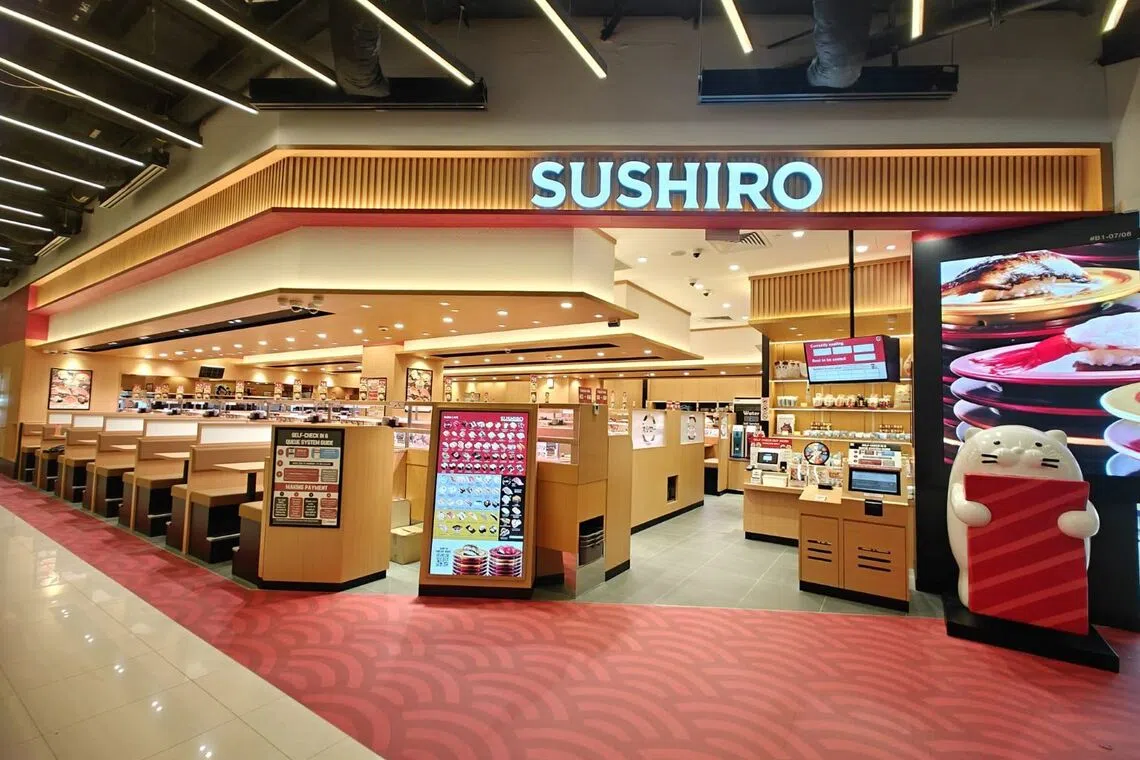
Sushiro’s Orchard Gateway branch is among the 25 outlets the chain has opened in Singapore since 2019.
PHOTO: SUSHIRO SINGAPORE
Singapore’s openness to technology and new experiences also makes it a useful place to test Japanese innovations.
Take Digiro (Digital Sushiro), a digital ordering system introduced at Sushiro’s Mandai Wildlife Reserve outlet in 2025.
First launched in Japan in 2023, the system brings a virtual conveyor belt to each table through a large touchscreen. Diners can browse dishes, place orders and play interactive games, adding a playful element to the familiar sushi experience.
The Mandai outlet was among the first overseas locations to trial the system.
“Singapore’s high receptiveness to digital technology and openness to new experiences were major reasons for its selection,” says Kashima.
Feedback from diners in Singapore could help shape future overseas rollouts, including improvements to make the system more engaging and user-friendly.
A two-way exchange, beyond the sushi plate
As Singapore and Japan mark 60 years of diplomatic relations in 2026, Sushiro’s experience shows how food can bring cultures closer.
The exchange could also go both ways. Singapore-inspired creations such as Chilli Crab Gunkan and Fish Curry Udon have featured on Sushiro’s monthly promotional menus here, with the potential to introduce local flavours to diners in Japan and other markets.
“These dishes reflect our efforts to adapt to local tastes while maintaining the essence of Japanese cuisine, and provide opportunities to share Singapore’s unique flavours with other markets,” says Kashima.
“We hope that giving customers the opportunity to enjoy the excellence of Japanese food culture and the appeal of its seasons through Sushiro’s sushi will serve as a bridge that further deepens mutual understanding and friendship between the two countries.”
Discover more of Japan’s seasonal flavours and regional specialities at Sushiro Singapore.
KioskNews shows a cleaned-up reading view extracted from the publisher’s page — the original always lives on their site, not ours.