NIA readies Bicol farms for El Niño water shortage
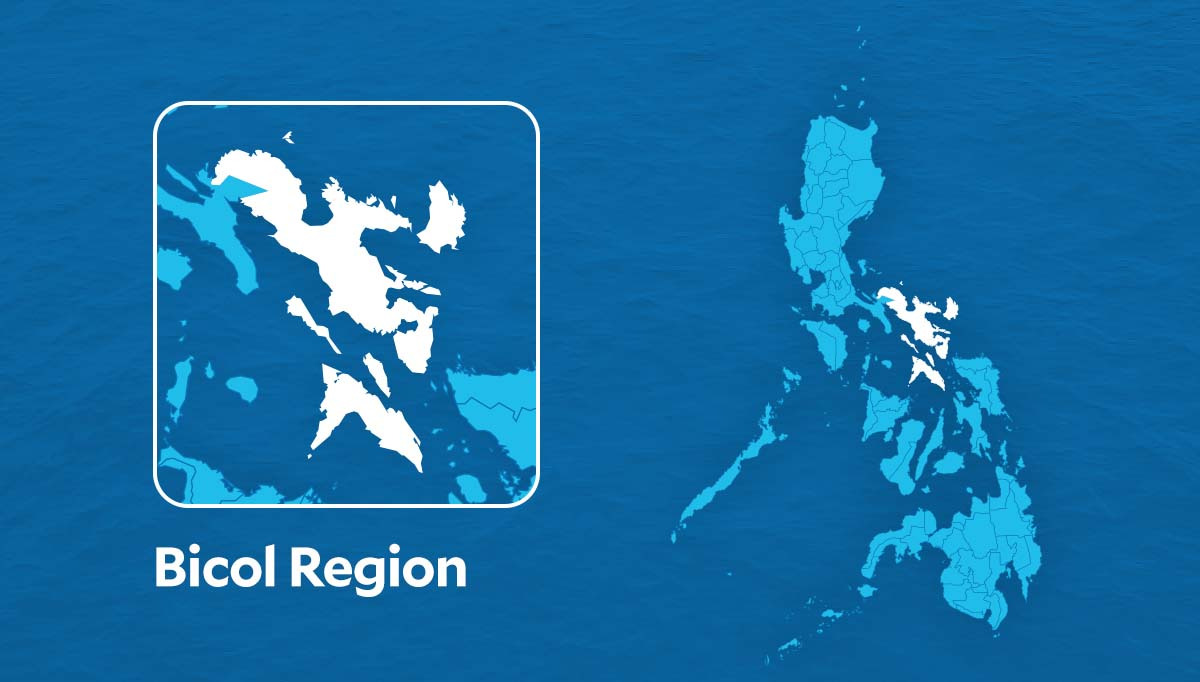
LEGAZPI CITY, ALBAY, Philippines — The National Irrigation Administration (NIA) in Bicol is adjusting planting schedules and irrigation strategies as El Niño threatens to reduce water supplies and affect farm production.
NIA Bicol regional manager Engr. Guadencio John De Vera said the agency is closely monitoring river conditions, particularly water discharge, to advise farmers on when to plant.
The Department of Science and Technology-Philippine Atmospheric, Geophysical and Astronomical Services Administration (DOST-Pagasa) has forecast drought in Albay, Camarines Norte, Camarines Sur and Catanduanes in October.
Article continues after this advertisement
READ: DOE: El Niño may hike power rates, outages
FEATURED STORIES
NEWSINFO
NEWSINFO
NEWSINFO
NIA is coordinating with the Department of Agriculture on strategies to sustain farm production, including intercropping with short-duration crops that require less water when planting palay is not feasible, De Vera said.
He said solar-powered pumping stations could help deliver water to irrigation canals when rivers run dry.
NIA is also implementing water rotation and scheduled delivery and adjusting the cropping calendar to ensure limited water supplies are distributed among farmers.
“These measures aim to keep farmers productive and minimize the impact of the drought brought by El Niño,” De Vera said. /cb
KioskNews shows a cleaned-up reading view extracted from the publisher’s page — the original always lives on their site, not ours.