Wisconsin voters reject ballot measure on freedom of worship during declared emergencies
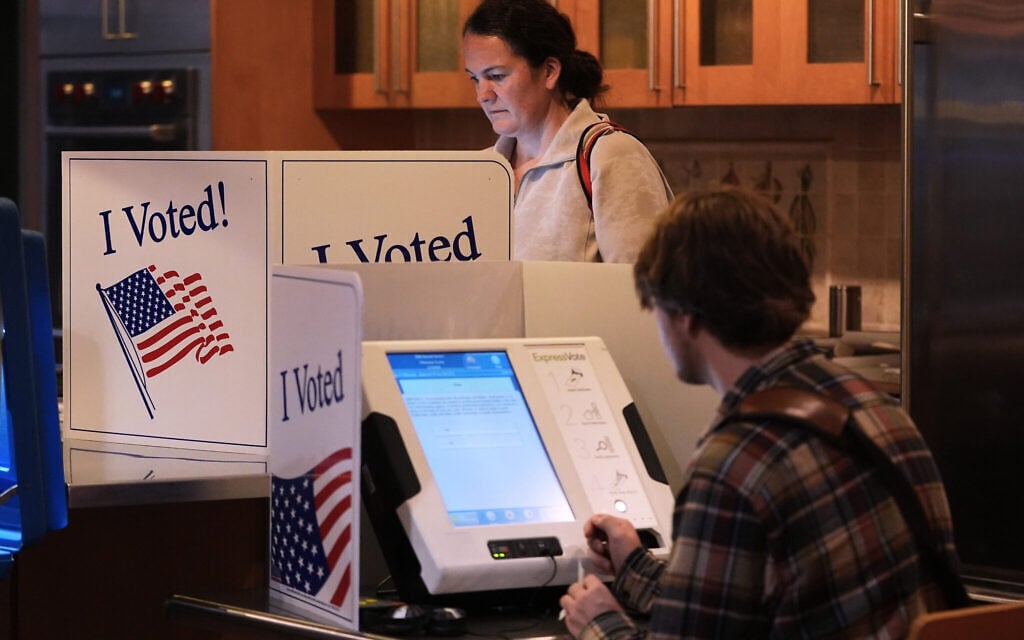
JTA — A Wisconsin referendum that would prohibit state and local governments from closing places of worship in response to a declared emergency was rejected in Tuesday’s election by 52% of voters.
The question was raised in response to the COVID-19 pandemic, during which places of worship were subject to public health orders restricting large gatherings. If approved, the Wisconsin Constitution would have gained language prohibiting the state from “ordering the closure of or forbidding gatherings in places of worship in response to a state of emergency at the national, state, or local level, including an emergency related to public health.”
Critics said that the language of the referendum was vague because it did not define a “place of worship,” leaving uncertainty over whether it could encompass someone’s home in which religious services are hosted. The League of Women Voters of Wisconsin, which opposed the referendum, called the measure a threat to public health. It added that the law as it stands does not “prevent any person from worshipping God, as such worship can and is practiced on an individual basis in one’s own home during an emergency.”
0:00 / 0:00
Promoted: American Technion Society

Rabbi Joel Alter, who leads Milwaukee’s predominant Conservative synagogue Congregation Beth Israel Ner Tamid, said that while he understood the concerns the referendum stemmed from, he voted to reject the prohibition.
“I don’t think the state constitution is the way to respond to concerns that people have,” he said. “I would much rather see advisory panels and possibly legislators hold really thoughtful hearings and studies to make recommendations for the next emergency — whether it’s a health emergency or some other emergency — about how to handle houses of worship in the interest of public health.”
Get The Times of Israel's Daily Edition by email and never miss our top stories
By signing up, you agree to the terms
The Wisconsin Family Council, a conservative Christian organization, had advocated in favor of the prohibition, saying it would ensure “that your local church is never treated as ‘non-essential’ by the government again.” Other proponents, including a number of local churches, argued that places of worship are “lifelines” during times of crisis, and that closing them is a violation of religious freedom.
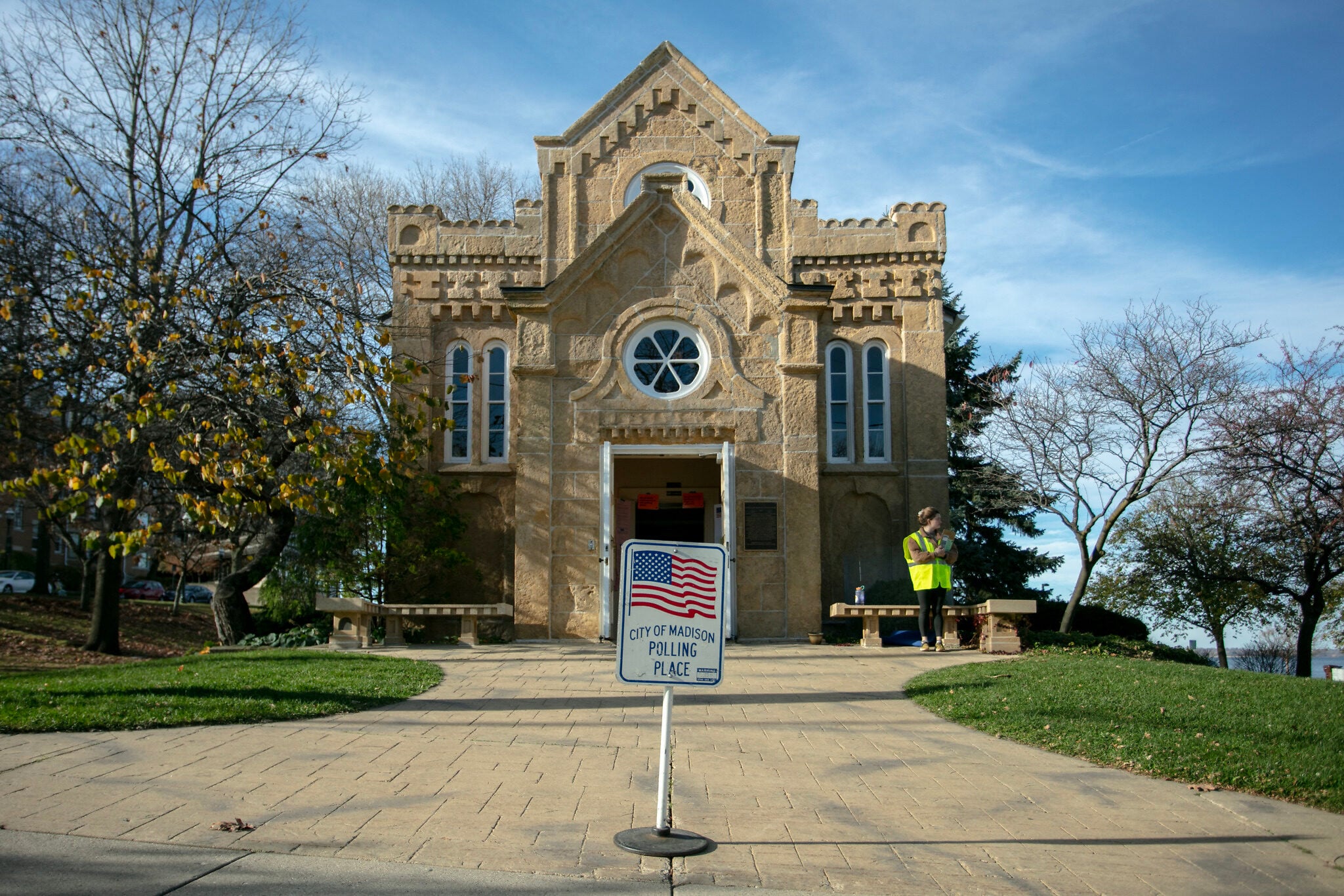
Other states — including Kentucky, Oklahoma, Florida and New Hampshire — have adopted similar protections, but the Wisconsin referendum would have offered stronger protections for churches, synagogues and other places of worship than other essential locations, such as schools or grocery stores. Texas adopted a constitutional protection against government restrictions on religious services in 2021.
Because the governor cannot veto a constitutional amendment, the Republican-run state legislature put forth constitutional amendments to bypass the veto of Gov. Tony Evers, who did not run for reelection. Evers vetoed a bill containing similar protections for places of worship in 2021.
In addition to the religious freedom referendum, Republican lawmakers also introduced two others, one that would further limit the governor’s partial veto powers, which passed with 51% of voters favoring, and another that could restrict affirmative action and some diversity, equity and inclusion programs, which passed with 56% of the vote.
David Crowley, Democratic governor-elect, said he would vote “no” on all three questions.
Your next read: ToI Editors' Picks

LIMITED TIME OFFER: Join The Times of Israel Community today, and you'll receive a physical book of your choice, carefully curated by our editors.
Choose between two must-reads: When We See You Again by Rachel Goldberg-Polin, a searing portrait of a mother’s grief and strength following unthinkable tragedy;
Or Out of the Sky: Heroism and Rebirth in Nazi Europe by Matti Friedman, the gripping and surprising tale of a forgotten moment during World War II.
As a Community member, you’ll also enjoy our outstanding DocuNation series of Israeli documentary films, an ad-free experience of our site and podcasts, commenting privileges, and more.
CHOOSE YOUR BOOK CHOOSE YOUR BOOK Already a member? Sign in to stop seeing this
KioskNews shows a cleaned-up reading view extracted from the publisher’s page — the original always lives on their site, not ours.