US ‘very close’ to India trade deal; energy needs considered in Russia sanctions waiver: Marco Rubio
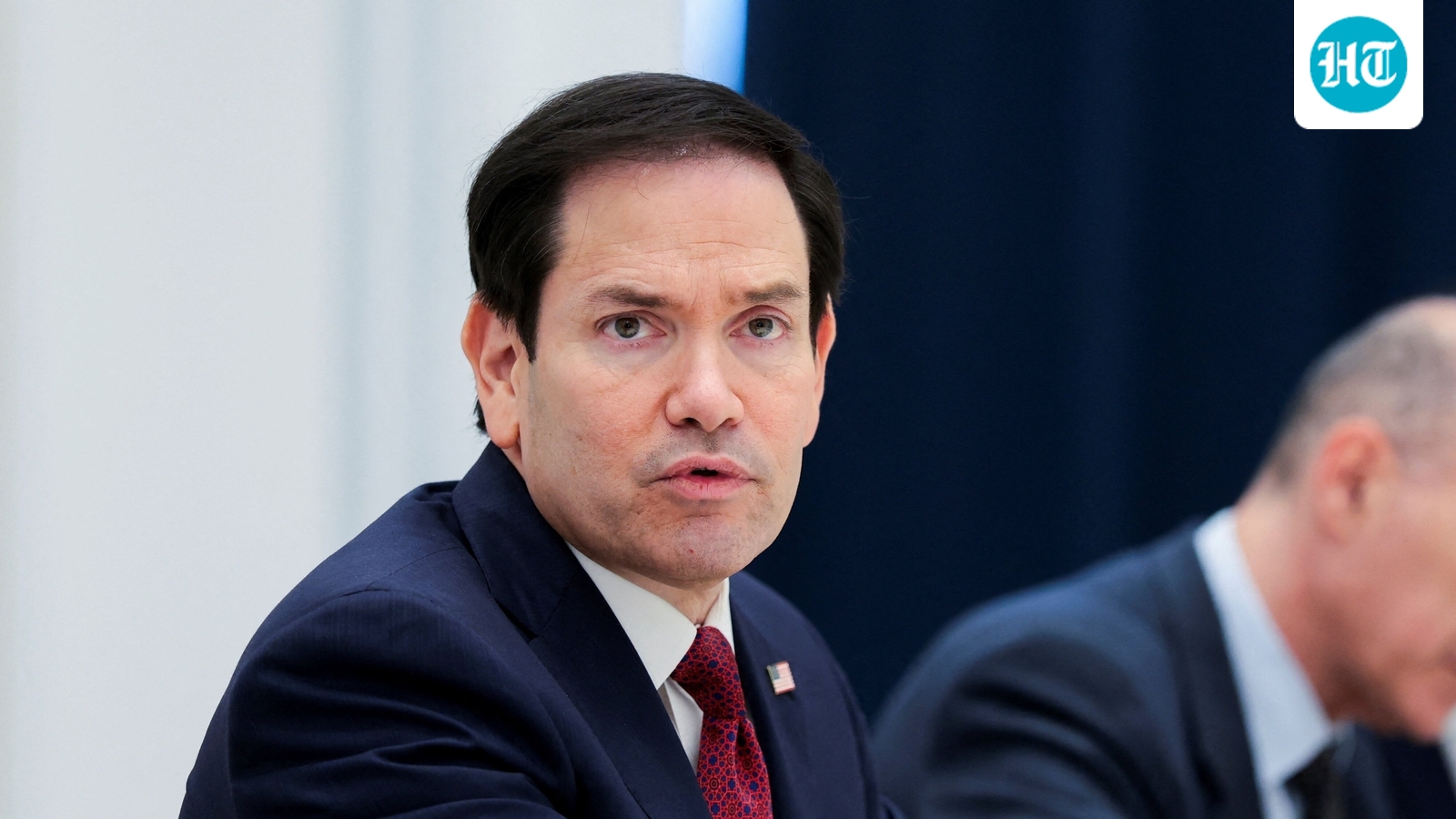
United States Secretary of State Marco Rubio on Monday said Washington was “very close” to finalising a trade deal with India, adding that it was one of the things taken into consideration when making decisions on national security waivers.
“We're trying to finalize a trade deal with India right now. We're very close to doing that. So that's one of the things we take into consideration when the President makes a decision about national security waivers and things of that nature,” Rubio said while speaking to reporters in Samarkant, Uzbekistan.
The US Secretary of State is scheduled to travel to India on Tuesday, and will hold a meeting with external affairs minister S Jaishankar in Mumbai.
Rubio explains reasons for Russia sanctions waiver
Rubio said America has “had to waive sanctions over the past few months” owing to the global supply situation and “the impact it was having on other countries.”
US President Donald Trump had waived several sanctions related to Russian energy which were set to take effect under the Lindsey O. Graham Sanctioning Russia and Iran Act citing “national security” reasons. The law, which has been put on hold, would have imposed tariffs of up to 100 per cent on top five purchasers of Russian crude oil or gas, which included India. To be sure, the secondary sanctions have just been deferred, leaving Trump free to use the law against these countries whenever he chooses.
Responding to a reporter who asked whether the US was “now okay” with countries buying Russian energy, Rubio responded by citing high energy prices globally. “I know diesel prices are high in the United States, but they're really, really high in a bunch of other countries around the world,” Rubio told reporters.
He further said it was harder for some countries to diversify imports owing to geographical constraints. “Geography is real. For some countries, it's very difficult to acquire energy from alternative sources. That's not an excuse, but all of that has to be balanced when you make foreign policy,” the US Secretary of State said.
Also Read | Deferred 100% US tariffs offer only temporary relief to India as Russian oil imports fall
His remarks come a day after he had acknowledged that while India had diversified its energy imports, it would be hard for New Delhi to “pivot” from Russian imports in a day. “…It's (India) still getting a substantial amount of energy from Russia because it's hard to pivot from one day to the next,” Rubio had said.
First tranche of India-US trade deal finalised, legal drafting under process, says Piyush Goyal
Union minister Piyush Goyal had, last week, said the first tranche of India-US bilateral trade agreement is ready and legal drafting is currently under process.
“The US bilateral trade agreement's first tranche has been finalised. It's going through the final contours, the legal drafting, and we hope to be able to finalize that soon and operationalise it once we get a comparable or competitive advantage over our peer countries,” he said.
KioskNews shows a cleaned-up reading view extracted from the publisher’s page — the original always lives on their site, not ours.