ActionAid Warns Debt Crisis Is Undermining Africa’s Climate Action
NAIROBI, Kenya Nov 2 – African countries vulnerable to climate change are diverting significant public resources towards debt repayments at the expense of climate action, food security and investments in resilience, according to new reports by ActionAid.
The reports warn that rising sovereign debt and the continued reliance on loans rather than grants for climate financing are worsening the financial constraints facing developing countries.
Teresia Anderson, ActionAid International’s Global Lead on Climate Justice, said the combination of climate change and mounting debt was creating a cycle in which countries are forced to borrow to recover from climate-related disasters, leaving them with fewer resources to prepare for future shocks.
“The intersection of the climate and debt crises, the climate debt trap, is now central. Governments are spending more on debt servicing than on adaptation, health and education,” Anderson said.
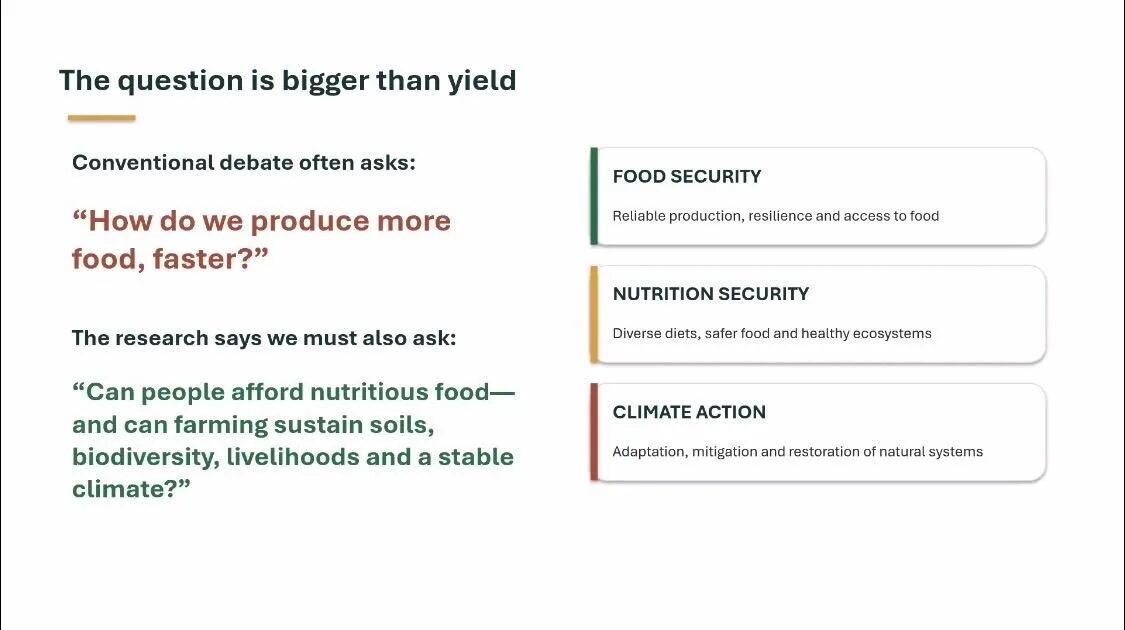
The reports also highlight agroecology as a potential solution to Africa’s food security and climate resilience challenges, arguing that sustainable farming practices can improve agricultural productivity while reducing dependence on costly imported inputs.
ActionAid Tanzania Country Director Bavon Christopher said the report, Agroecology: Adapt to Thrive, draws on evidence from 10 African countries: Ethiopia, The Gambia, Ghana, Kenya, Malawi, Nigeria, Tanzania, Uganda, Zambia and Zimbabwe.
The study makes a case for expanding agroecology, citing evidence that the approach can deliver comparable or higher yields than industrial farming while reducing production costs and strengthening farmers’ resilience to climate change.
In Tanzania, pigeon pea and sorghum yields nearly tripled under agroecological farming practices. In Zambia, maize yields were up to 100 per cent higher on agroecological demonstration plots, while Kenyan farmers recorded a 37.8 per cent increase in profits after transitioning to the approach.
The findings further indicate that agroecological farms can be two to four times more energy-efficient and demonstrate greater stability during droughts.
Despite these benefits, the report notes that public agricultural financing in several African countries continues to favour industrial farming inputs, including synthetic fertilisers and hybrid seeds.
In 2023/2024, subsidies largely directed towards imported synthetic fertilisers and hybrid seeds accounted for 80 per cent of Zambia’s agricultural budget and 50 per cent of Zimbabwe’s, according to the report.
Christopher called on African governments to increase investment in agroecology, improve transparency in public financing and reduce dependence on external borrowing to support climate and agricultural programmes.
“Publishing public financing, reducing dependence on external debts, and pushing donors supporting climate financing to consider agroecology is critical,” he said.
He added that agroecology could help restore soil health, strengthen climate resilience and enhance food sovereignty, particularly among women, who account for 66 per cent of agrifood employment in sub-Saharan Africa.
The report also argues that agroecological farming offers both environmental and economic benefits by improving yields and farmers’ incomes while reducing reliance on expensive imported agricultural inputs and protecting ecosystems.
“This study brings together evidence from ten African countries showing that agroecology is both a climate solution and a profitable economic choice. Farmers are improving yields and income while reducing dependence on costly imported inputs and protecting the soils and ecosystems on which food production depends,” the report states.
ActionAid is now calling for debt cancellation for climate-vulnerable countries and a shift from loan-based to grant-based climate financing to enable governments to invest more in climate adaptation and resilience.
The organisation is also urging African governments to allocate at least 30 per cent of their agricultural spending to agroecology by 2035.
The recommendations are aimed at addressing the growing financial pressures on African economies while strengthening sustainable food production and protecting communities increasingly exposed to climate-related shocks.
KioskNews shows a cleaned-up reading view extracted from the publisher’s page — the original always lives on their site, not ours.