Crackdowns failed to stop Southeast Asia’s scam centres. Here’s what advocates want next
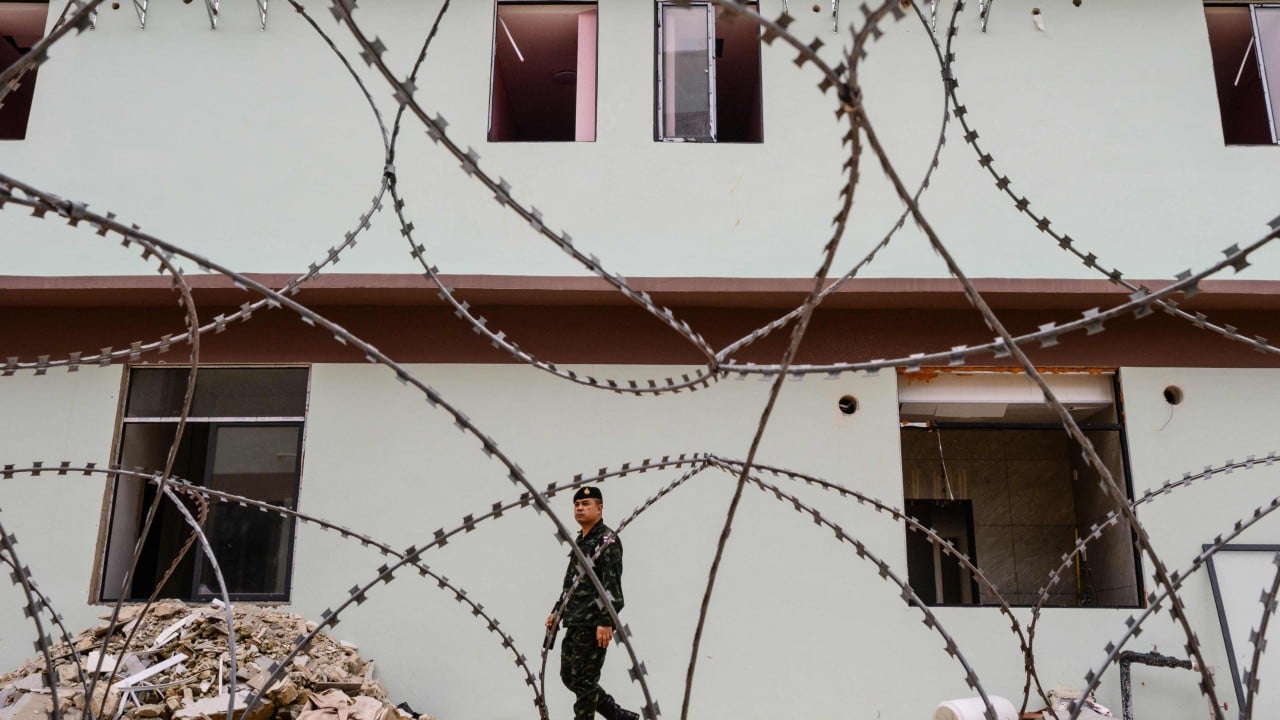
Campaigners in Asia are taking advantage of the presence of global leaders in the region this week to urge governments to redouble efforts to uproot the scam centres whose bosses continue to swindle billions of dollars from hideouts in Myanmar and other parts of the Mekong.
In a reminder of the scale of the scam crisis, Malaysian lawmakers on Monday heard that their citizens have lost 6.95 billion ringgit (US$1.6 billion) to scams in the last three years, while the Global Anti-Scam Alliance reported on November 9 that 60 per cent of Thais fell victim to scams in the last year alone, costing them 110 billion baht (US$3.2 billion).
Despite high-profile crackdowns triggered by pressure from China and the US, scam gangs remain operating just over the Thai border in ungovernable areas of Myanmar, Cambodia and Laos. All that has changed is that the networks – who crime experts say are mainly run by Chinese criminals – have splintered into smaller groups.
With US President Donald Trump in Shenzhen for talks with Chinese President Xi Jinping after joining the Asean Summit in Manila, anti-scam campaigners are keen to keep the global momentum on tackling the scourge.
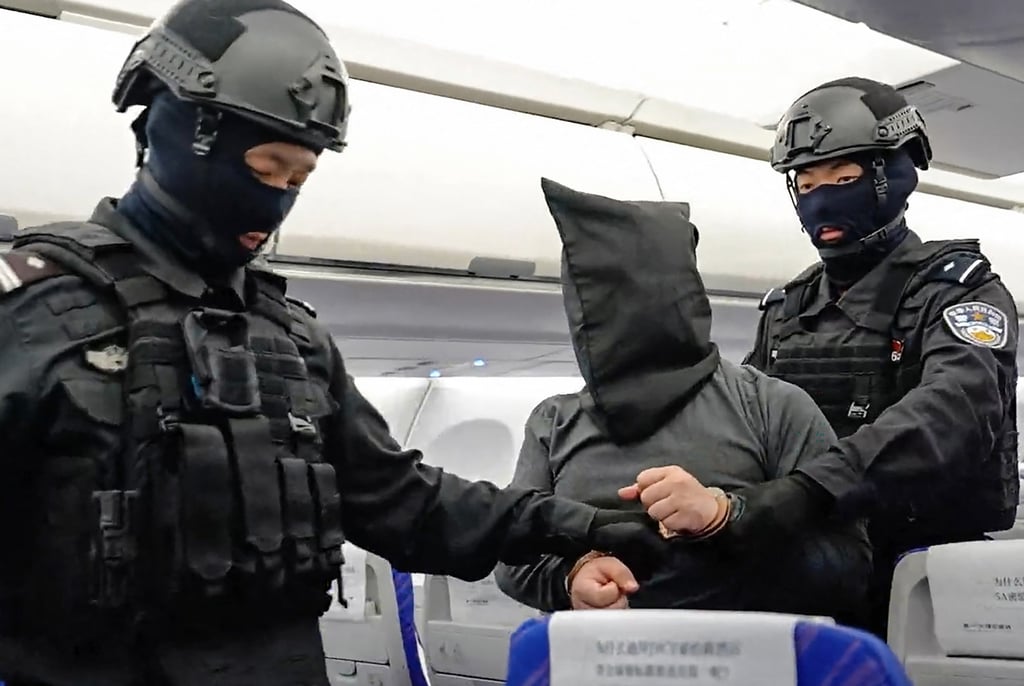
Jay Kritiya, a coordinator at the Civil Society Network for Human Trafficking Victim Assistance, which has helped rescue hundreds of scam workers from inside Myanmar, urged global leaders to be clear-eyed about the perpetrators of the global scam crisis – and the enablers, including social media platforms.
“These criminal networks are linked to Chinese mafia syndicates,” she wrote in an open letter. “The Chinese government must take responsibility for pursuing its nationals involved in these operations. All affected governments must cooperate across borders, rather than allowing criminals to exploit jurisdictional gaps and political divisions.”
The financial crime is compounded by a human rights crisis, with thousands of foreign nationals tricked and trafficked into scam hubs to target their compatriots online. Others travel willingly to operate elaborate bogus romance and fake investment schemes often involving the transfer of hard-to-trace cryptocurrency.
Tensions were raised after the Chinese embassy in Thailand urged Chinese nationals to be on the alert against scam syndicates in the kingdom on October 16. The warning landed badly among many Thais, who insist that the kidnappings are carried out by the Chinese themselves, who use their compatriots as forced labour in the scam hubs they control across the Thai border or for ransom.
Lured by fake police
The latest example of how ordinary people are ensnared by scam gangs unfolded late last week, when a 19-year-old Chinese student was lured to Thailand after a Chinese call centre scam gang acting as local police persuaded him to leave his studies in Australia.
He arrived in Bangkok on Friday after days of 24-hour surveillance in Australia by the scammers, Thai immigration police said, and was taken to a hotel in Pattaya the next day. Once there, he was coerced into recording videos pretending he had been assaulted to extort money from his family in China, whom the criminals contacted over WeChat.
The criminals “threatened his family and demanded a ransom of 10 million baht while threatening to physically harm him if the money was not paid”, the police said. The man was freed on Tuesday and reunited with his father after Thai authorities located him following his parents’ appeal for help.
01:47
Chinese state-media documentary offers behind-the-scenes look at scam centre crackdown
In her letter, Kritiya said trafficking victims should be urgently rescued from scam hubs and protected, irrespective of their nationality. She urged greater screening of young people travelling to the scam hotspots.
“Social media platforms and internet service providers must also be held accountable for their role in enabling recruitment and online fraud,” she added.
But a truly transnational crime, which sees millions of dollars laundered through real estate and other investments from New York to London, and from Singapore to Bangkok, requires a global policing effort, according to the campaigner.
“Governments must dismantle the criminal networks behind these operations, pursue their financiers and protectors, seize their assets, and hold everyone responsible to account, including individuals and armed groups that enable these businesses to operate,’’ she said.
Scams were discussed at the East Asia Summit, an expansion of the Association of Southeast Asian Nations talks, in Manila this week. In a joint statement issued after the meeting, the leaders pledged to address underlying drivers of the crime – including “poverty, lack of social protection interventions, outdated domestic laws … corruption and limited economic opportunities”.
KioskNews shows a cleaned-up reading view extracted from the publisher’s page — the original always lives on their site, not ours.