Call to keep Australia’s last oil refineries on a lifeline as fuel reserves run down
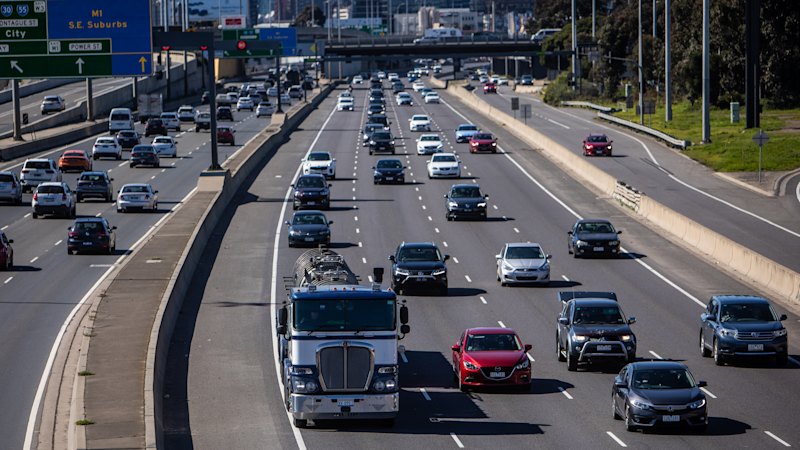
Australia’s last two oil refineries would receive an extended taxpayer lifeline but be forced to transition towards clean fuel production as the nation exhausts its commercial crude oil reserves within a decade under a radical overhaul of the country’s fuel security strategy.
The Grattan Institute, a non-partisan think tank, has urged the federal government to underwrite refineries in Geelong and Brisbane beyond 2030, abandon plans to subsidise a third refinery and strip the nation’s biggest mining companies of billions of dollars in diesel tax concessions to accelerate electrification.
The blueprint, released on Sunday, comes as modelling reveals the war in Iran has already blown out Australia’s fuel import bill by $18 billion, fuelled inflation and imposed more than $3 billion in additional costs on the federal budget.
As the Albanese government foreshadows a tightening of federal spending, Grattan estimates its reforms would deliver a net $55 billion benefit to the budget by 2050 while cutting the typical household’s annual fuel bill by more than $3300.
The report calls on the government to source at least half the fuel needed to power Australia’s road transport, aviation and mining industries domestically by 2050, including through electrification.
Australia consumes about 60 billion litres of liquid fuel annually, 97 per cent of which is either imported directly or manufactured from foreign crude oil.
Grattan’s energy and climate change program director Alison Reeve said successive governments had failed to develop a strategy to reduce Australia’s reliance on imported fuels.
“This dependence on imported fuel is no longer tenable – it keeps us tethered to increasingly chaotic global events we cannot control,” Reeve said.
The report argues there is a compelling case to extend financial support for Viva Energy’s Geelong refinery and Ampol’s Lytton facility, which together produce almost all of Australia’s sovereign liquid fuel supplies.
However, with 86 per cent of their output already dependent on imported crude, the report recommends making subsidies conditional on sovereign fuel production and requiring both companies to demonstrate credible steps towards switching to clean fuels.
Australia has just 34 billion litres of commercially viable crude oil reserves remaining, which, at current extraction rates, would be exhausted by 2035.
The government has paid out just $37 million under its refinery underwriting scheme since 2021 because both facilities have largely operated profitably. But Grattan warns the cost could climb to at least $200 million annually as the ageing plants require expensive upgrades and refining margins come under pressure.
The report challenges the political consensus behind building a third oil refinery, backed by Labor, the Coalition and One Nation, arguing Australia would need to increase crude oil production sixfold before refining capacity became a constraint.
Among its most politically contentious recommendations, Grattan proposes capping diesel fuel tax credits for mining companies at $35 million per corporate group annually, reducing government spending by $76 billion by 2050 and cutting annual diesel consumption by 3.5 billion litres.
While other developed economies have substantially reduced their reliance on diesel over the past 25 years, Australia now consumes more diesel for every dollar of economic output than it did in 2000.
Cut through the noise of federal politics with news, views and expert analysis. Subscribers can sign up to our weekly Inside Politics newsletter.
KioskNews shows a cleaned-up reading view extracted from the publisher’s page — the original always lives on their site, not ours.