What is the no-spend challenge? The viral money saving trend that could help you reset your financial habits
Amid relentless commercial advertising urging continuous purchasing, the viral "no-spend challenge" provides a practical way to resist mindless consumerism.
Rather than simply converting the traditional virtue of thriftiness into a social media trend, the movement enables individuals to recognise the impulse triggers that prompt unnecessary purchases, helping them break negative spending cycles.
Louise Hill, founder of the pocket money and financial education app GoHenry, describes the trend as an effective way to reset personal finances. She explains, "The no-spend challenge is a financial reset which is when you commit to spending zero money on non-essential items for a set period.
"It shows you where you spend your money, so that you take more accountability for your purchases. It creates a really clear categorisation in your mind about what your true ‘needs’ are versus your ‘wants’."
Hill also views the practice as a constructive method for developing essential money management skills. She adds, "By learning to prioritise your spending and delaying instant gratification, it’s a really useful way of testing yourself and taking back control. Turning it into a challenge is a fun and interesting way to do it – it’s a more positive way of saving money."
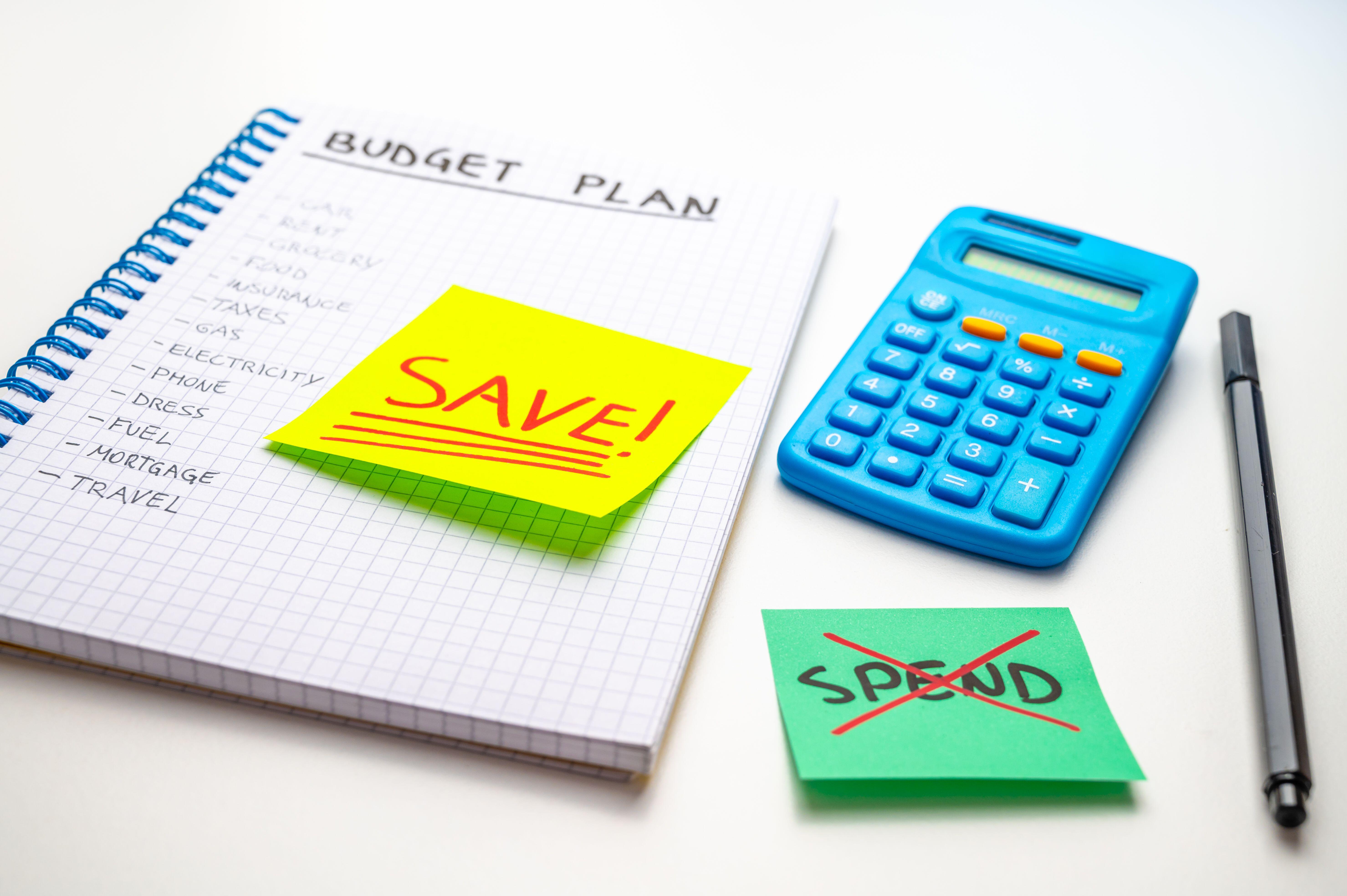
GoHenry’s Hill explains the rules.
Set a time duration
It’s important to treat this exercise as a circuit breaker rather than an extreme lifestyle trend – or you’ll fall off the wagon.
Hill advises, “I would start with a weekend, or maybe a week, but many people seem to be setting themselves a challenge for doing it for a month, which I still think is quite hardcore but can help if major savings need to be made.”
She adds, “You must be clear to yourself and family and friends how long you’re doing this for before you start.”
Ban non-essential items
Invest at least £100 in Stocks or ETFs of your choice. Get fractional shares worth £50!
Terms and conditions apply.
Go to websiteADVERTISEMENT
Invest at least £100 in Stocks or ETFs of your choice. Get fractional shares worth £50!
Terms and conditions apply.
Go to websiteADVERTISEMENT
This is the tough bit and probably a good time to go through expenditure with a fine-tooth comb and decide whether things like subscriptions count as non-essential.
“You need to decide your categories of essentials and non-essentials,” says Hill. “But I would simplify that into ‘needs’ and ‘wants’ – that will help you guide your spending. If you categorise it into your needs, you’ll probably get a shock at how much of it is non-essential.”
She explains the basic differences: “Essentials or needs are rent or mortgage payments, essential groceries, utility bills, transport and debt payments.
“While non-essential or wants are eating out, online shopping, clothes, entertainment, buying extras for your house and takeaway coffees.”

Tricks to avoid spending
• Use up surplus food in the fridge and the kitchen cupboards.
• Meal prep on Sunday and bring packed lunches to work.
• Use surplus food apps such as Olio and Too Good To Go.
• Wait for 72 hours before buying something.
• Go for a ‘walk and think’ after trying on clothes in a shop.
• Rather than meet at a pub, host a games night at home.
• Meet friends for free leisure activities like walks in the park and picnics.
• Use the library rather than buy books.
• Delete online shopping accounts to make it difficult.
• Remove saved credit cards from your phone.

Spotting impulse triggers
The instant gratification of spending activates the brain’s pleasure circuits and releases dopamine – which is why you feel good after splurging on a new coat.
But Hill advises, “Waiting builds patience and decision-making discipline, and if you get to the end of a month without spending anything on non-essentials, that will give you a huge sense of achievement rather than just a quick buzz.”
She makes the point, “This is not about removing all pleasure but making you more mindful about what adds value to your life and what you actually want to spend your money on.”
And it might be worth keeping a mental note of your “almost purchases” to help you understand why you’re spending in the first place – whether it’s emotional or out of boredom.
The immediate bonus
It’s important to have a job for your saved cash so it doesn’t just get frittered away the following month. Unless you have a debt to pay off, it could be used to build an emergency fund, or moved into a high interest savings account rather than left in a current account.
Hill says, “It’s best to always immediately move money into a savings pot so you can see the results as you save. And have a plan to do something with it so you can feel the benefit of all your hard work.”
The long-term benefits
The extra cash always comes in handy, but Hill believes this exercise will reset future financial habits. She says, “This might have started as a TikTok challenge but if it’s getting people to think about whether they truly need to spend money, then it’s a really useful exercise, especially in a cost-of-living crisis.
“And even when they relax the reins, most people will find they spend less. If they manage the challenge for a month, future spending patterns will be different because they will be more mindful about where they spend their money.”
KioskNews shows a cleaned-up reading view extracted from the publisher’s page — the original always lives on their site, not ours.