Fears of rent hikes after chancellor hits landlords with higher property tax
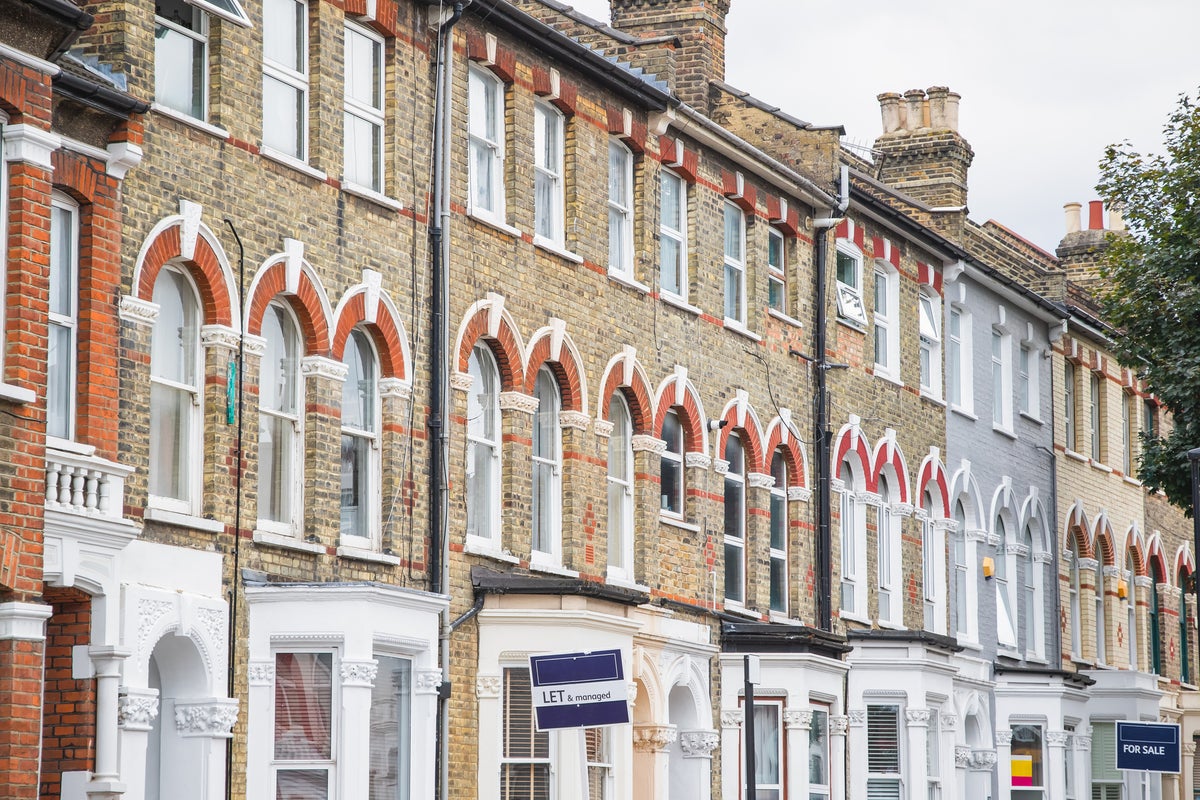
Tenants have been warned to expect higher rents following Labour’s decision to hike property tax for landlords at the Autumn Budget.
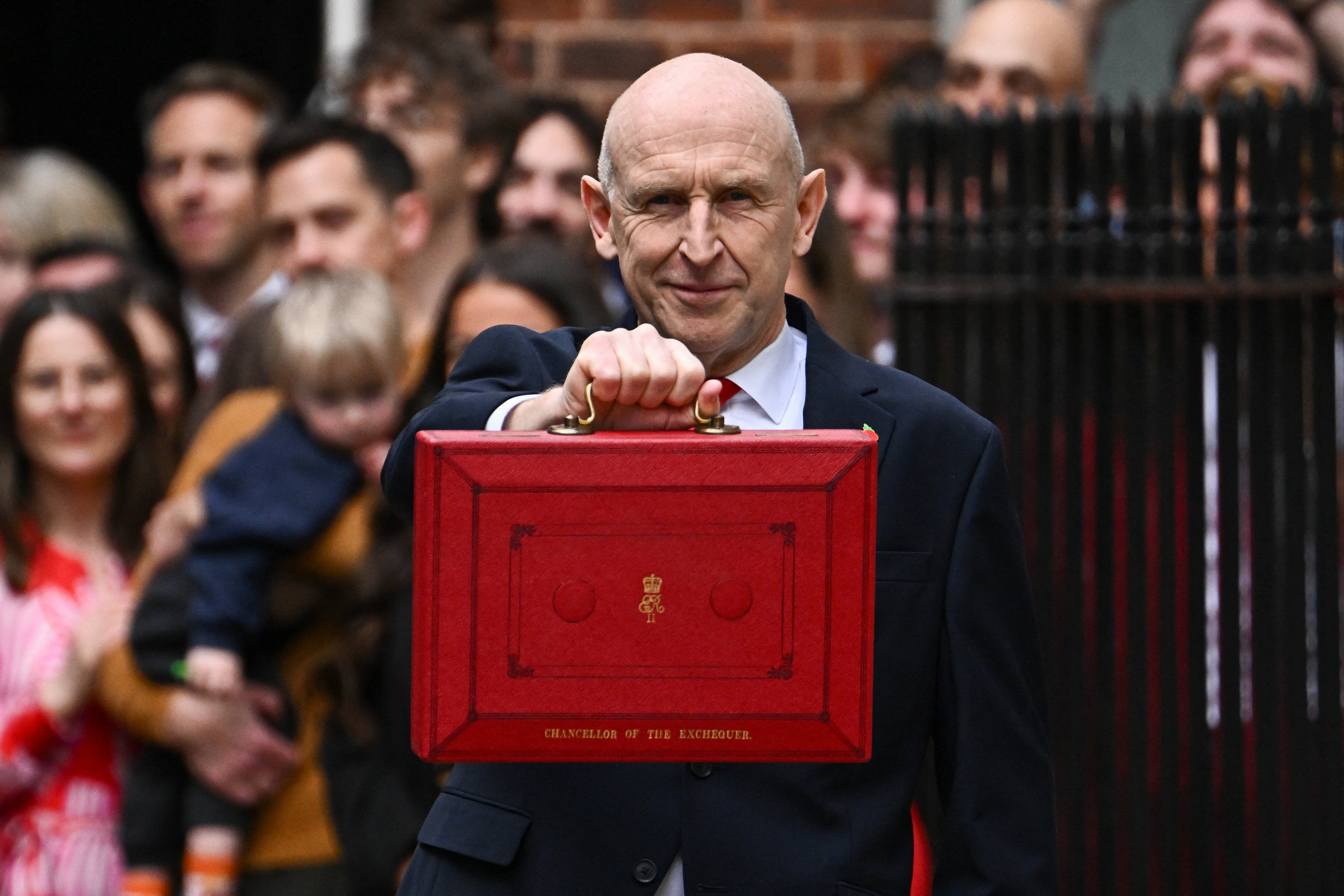
Chancellor John Healey confirmed that rental income will be subject to a further two percentage point tax increase from April, which will add to an identical announcement made by his predecessor Rachel Reeves last year.
The tax surcharge on property income will be four points higher from April 2027 as a result, in a move the National Residential Landlords Association (NRLA) said had “made life harder for renters right across the country”.
Under current forecasts, rents are already expected to rise by four per cent over the next year – adding £700 on to the average annual bill for tenants.
This could now grow even higher as a result of Labour’s tax increase, with the Office for Budget Responsibility (OBR) warning that it risks “leading to a steady rise in rents”.
Delivering its economic outlook alongside the Budget, the spending watchdog said that the increased tax burden – alongside other housing policies – will reduce rental supply and cause remaining landlords to push up their prices.
Chris Norris, chief policy officer for the NRLA, said: “When the last Budget announced a rise in income tax on property income, landlords told us clearly how they planned to respond.
“Research for the NRLA by Pegasus Insight found that 46 per cent of landlords planned to increase rents over the next 12 months as a result, with around a third (35 per cent) planning to increase rents by more than previously planned. A third (33 per cent) said they planned to sell one or more properties,” he told The Independent.
“It is deeply disappointing that, rather than heeding those warnings, the chancellor has chosen to raise the tax again by a further two percentage points. As the Office for Budget Responsibility has confirmed, hiking taxes will drive up rents and drive down supply.”
Other experts have given more conservative estimates of the impact of the change on renters.
Hannah Aldridge, senior research and policy analyst at the Resolution Foundation, said price rises are “likely to be small as rents tend to track earnings and landlords seek the highest rent they can charge”.
She added: “The fact that their tax burden has gone up, doesn’t change the amount that tenants are willing to pay for the property (unless supply becomes more constrained). There will likely be some pass through to rents but most of the tax rise will affect landlords’ margins rather than rents.”
Estate agents have also cautioned that while tax increases and new regulations under the Renters’ Rights Act will prompt some landlords to evaluate their portfolios, the full effects may take time to be felt.
Lucian Cook, head of residential research at Savills, told The Independent that the policy is “another reason why some landlords will reconsider whether or not they want to continue in the buy-to-let sector, or whether they want to rationalise their portfolio”.
“That is likely to mean that it adds to the squeeze on the supply of rental property in the market,” he added.
“The knock-on implications of that... is likely to mean that there is less choice available to tenants when they come to look for a property to be able to rent. And that would also suggest that it puts some continued upward pressure on rental values.”
Following the Budget, several housing groups also expressed disappointment that the chancellor did not address concerns around frozen housing benefit rates. Campaigners have called for the government to relink the Local Housing Allowance (LHA) to market rates, warning that low-income renters are having their budgets squeezed.
According to analysis by the Resolution Foundation, the shortfall between housing benefit rates and the bottom 30 per cent of local rents recently reached a record high of 23.3 per cent – equal to £170 a month for a typical family living in a two-bedroom home.
Holly Williamson, chief executive of Generation Rent, said: “Homes are the foundations of our lives, so it is hugely disappointing the government has maintained the freeze of Local Housing Allowance. When housing benefit doesn’t cover the rent it forces families into impossible decisions, traps them in poverty and leaves them vulnerable to homelessness, with councils picking up the pieces.
“This decision also brings into question the government’s goal of ending rough sleeping, as it will mean there are very few affordable long-term homes for people currently sleeping rough.”
KioskNews shows a cleaned-up reading view extracted from the publisher’s page — the original always lives on their site, not ours.