Indonesia signs ‘ambitious’ trade deal with EU but will export boom follow?
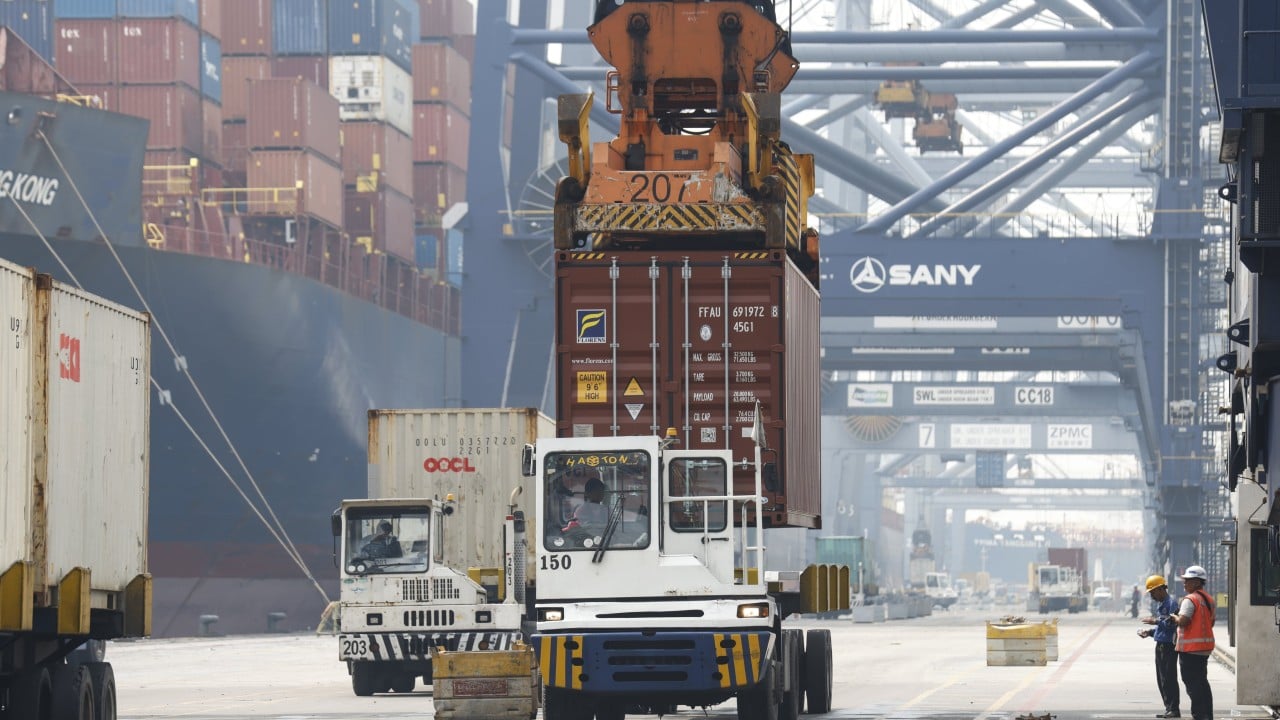
Indonesia’s newly signed trade deal with the European Union could unlock billions of dollars in additional exports, but analysts and industry insiders say high production costs, regulatory challenges and stiff regional competition could limit its economic benefits.
Jakarta and Brussels signed the Indonesia-EU Comprehensive Economic Partnership Agreement (IEU-CEPA) on Saturday, capping roughly a decade of negotiations to open up trade across a combined market of 730 million people.
Under the pact, 90.4 per cent of Indonesian exports will enjoy immediate access to the European market, while levies on the remaining 8.37 per cent will be phased out over periods of three to 15 years or through a tariff-rate quota mechanism, according to a statement from Indonesia’s Coordinating Ministry for Economic Affairs.
European exporters are expected to save up to €600 million (US$656.3 million) annually in export duties to Indonesia.
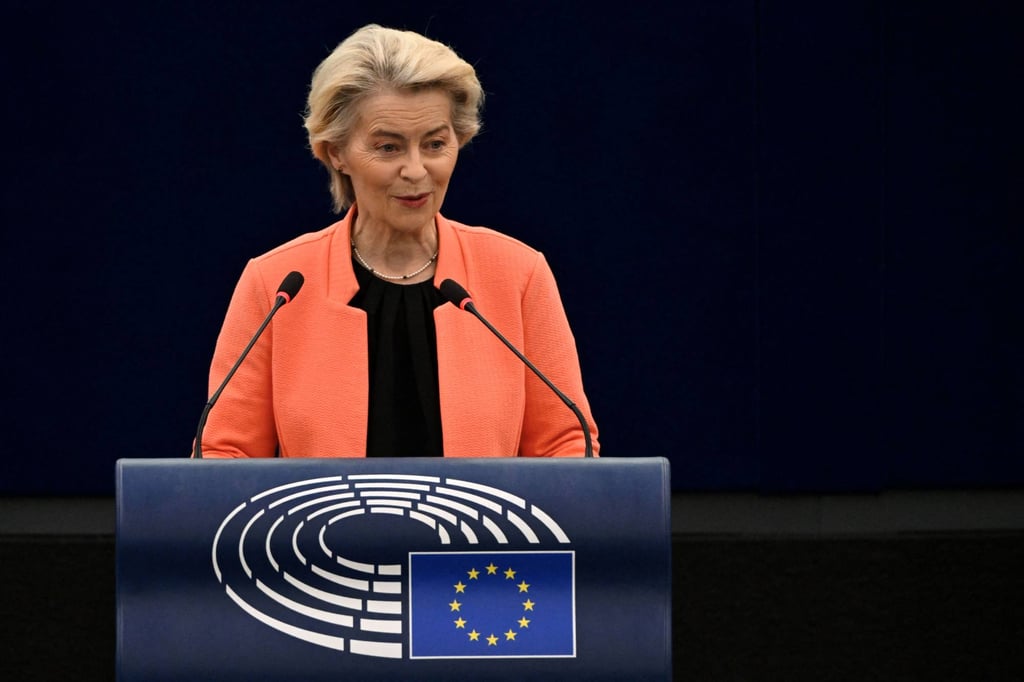
“This is one of the most ambitious deals the European Union has concluded in Asia,” European Commission President Ursula von der Leyen said during the signing ceremony.
Airlangga Hartarto, coordinating minister for economic affairs, said products that would enjoy zero tariffs under the IEU-CEPA from day one included garments and textiles, accessories and footwear, crude palm oil and its derivatives, frozen shrimp and whole tuna.
The new deal is expected to take effect on January 1, 2027, after ratification by the parliaments of Indonesia and the EU.
Trade Minister Budi Santoso said on Tuesday the deal would increase Indonesia’s annual exports to the EU to up to US$5.78 billion within five years of its implementation.
The country’s total exports to the bloc in 2027 are projected to reach US$33.24 billion, up from US$31.65 billion last year.
Other competitors
While officials have predicted the pact could lift the economy significantly, economists and industry players warn that lower tariffs alone will not translate into automatic windfalls.
Anton Supit, chairman of the Indonesian Footwear Association, said the IEU-CEPA was “helpful” to reduce import duties, but another non-tariff barrier remained.
“Don’t forget that we also have a competitor that has a free-trade agreement with the European Union, namely Vietnam,” Anton told This Week in Asia.
“As we already have an agreement [with the EU], we should also use this momentum to improve our international competitiveness and our investment climate.”
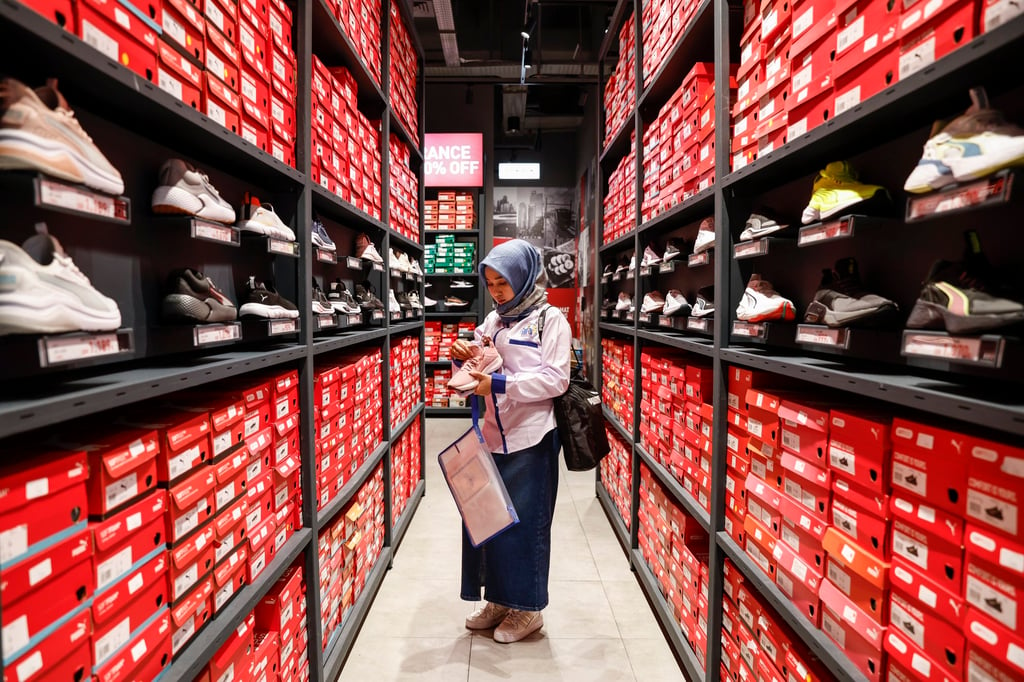
According to Anton, Indonesia already supplies the European market, with sports shoes or trainers making up 90 per cent or more of its footwear exports. Indonesia holds about a 30 per cent share among major buyers, with the rest divided among other sports shoe producers, namely China and Vietnam.
Large buyers typically diversified their sourcing across countries, while smaller and mid-sized buyers had fewer options and gravitated towards the most competitive suppliers, Anton said.
The footwear industry was struggling with “high labour costs” that made it “less competitive”, Anton said.
He hopes the IEU-CEPA will cushion the blow of Indonesia losing its preferential access under the EU’s Generalised Scheme of Preferences (GSP) on January 1. The GSP has allowed at least 30 per cent of Indonesian exports to the bloc to enjoy lower tariffs.
Non-tariff barriers
Syafruddin Karimi, an economist with Andalas University, says Indonesia can reap the full benefits of the IEU-CEPA if it lowers export costs, which often determine whether companies actually ship to Europe.
“Customs and Excise must expedite origin document processing and risk-based inspections,” Syafruddin said. “Banks should provide cheaper export financing for new suppliers. Ministries should connect small and medium enterprises with buyers, aggregators and large corporations, while European investment needs to be directed towards local manufacturing and suppliers.”
According to Syafruddin, most Indonesian small and medium-sized enterprises face steeper compliance and financing hurdles to meet EU quality and certification standards.
“European standards require consistent proof of origin, quality, safety and sustainability. Compliance is not limited prior to shipment. Companies must establish record-keeping systems at the supplier level. Governments should fund initial audits for potential exporters,” he said.
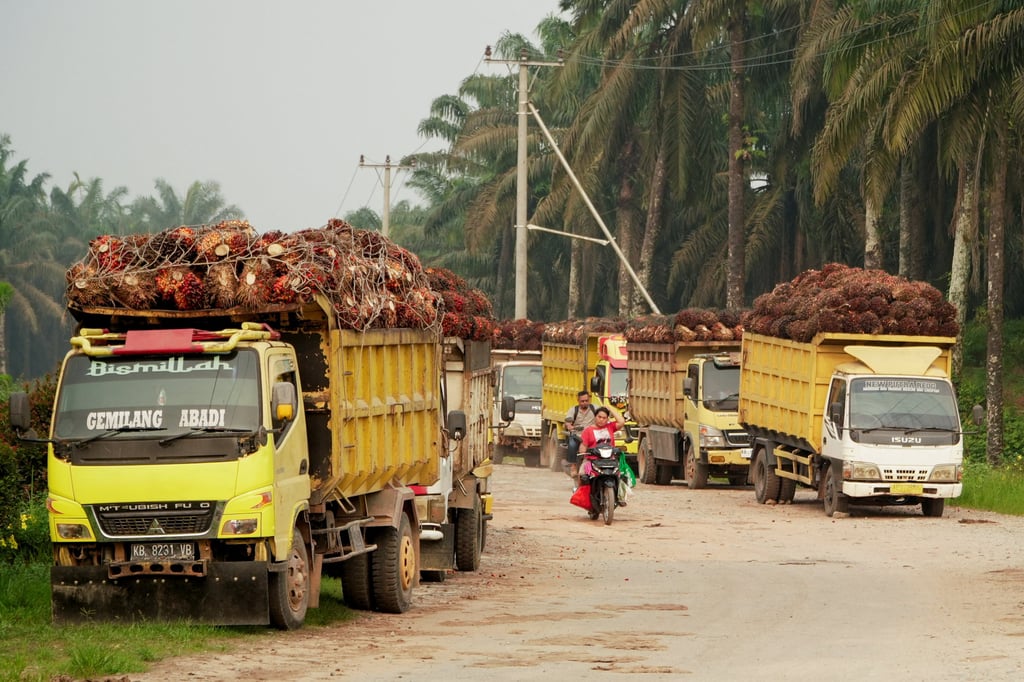
Wijayanto Samirin, an economist at Paramadina University, points out, however, that signing the IEU-CEPA does not mean the EU’s environmental and deforestation concerns regarding Indonesia’s agricultural products – such as crude palm oil, coffee and cocoa – will vanish overnight.
“Environmental aspects remain a key issue. [The EU] parliament could approve the IEU-CEPA with exceptions for certain products,” Wijayanto said. “The potential for delayed approval after the January 1, 2027 target date is high, so Indonesia and the EU need to agree on a transition process to ensure the continued validity of the GSP.”
Syafruddin said Jakarta should draw lessons from past free-trade deals that looked promising on paper but fell short of broad use by Indonesian firms, such as the Regional Comprehensive Economic Partnership (RCEP) and the Asean-Australia-New Zealand Free Trade Area.
Under RCEP, which entered into force in 2023 for Indonesia, Jakarta gained preferential tariff access to nine other states in the Association of Southeast Asian Nations, plus China, Japan, South Korea, Australia and New Zealand.
Syafruddin pointed to a recent survey by the Japan External Trade Organisation that showed “limited” use of RCEP by Indonesian companies.
“Complicated rules of origin can reduce the benefits of preferential tariffs. Administrative costs also discourage small companies from applying for preferences,” he said.
“The government must measure utilisation rates from the first year. It must also assess whether SMEs actually utilise the preferences. Trade agreements are successful when they’re implemented by companies, not simply signed by the government.”
KioskNews shows a cleaned-up reading view extracted from the publisher’s page — the original always lives on their site, not ours.