All 16 Movies That Clint Eastwood Directed (But Didn't Star In), Ranked


Senior Music Editor at Screen Rant, Sarah's love of sound and story drive the beat. A globetrotting brand whisperer and award-winning journalist, she’s built cross-cultural narratives around the world—but music has always been her true north. She launched DJ Mag North America, successfully introducing the iconic UK brand to the U.S. market. Previously, she carved a space for EDM inside the pages of VIBE, blending electronic and hip-hop culture long before it was trendy.
Clint Eastwood has spent so much of his career in front of the camera that his reputation as a director can sometimes get lost behind that famous squint. Yet some of his most ambitious films have come when he's stepped away from the spotlight entirely. The man synonymous with Dirty Harry has proved equally capable of directing devastating war films and intimate character studies, often revealing a sensitivity that his tough-guy image would hardly suggest.
The now-96-year-old filmmaker made his directorial debut with 1971's Play Misty for Me, but it wasn't until Breezy two years later that he entrusted the starring roles to other actors. (He did sneak in a fleeting, uncredited cameo.) Altogether, he's directed 16 feature films without taking a starring role, including several that belong among Clint Eastwood's greatest movies that aren't Westerns.
Critical acclaim and box office success don't necessarily determine which films are the best. Storytelling comes first in this ranking, with particular consideration given to the performances Eastwood draws from his actors and how well his direction holds up today. Some of his biggest productions fall surprisingly short, while a few less splashy films deserve to stand alongside his finest work of the last 30 years. At the very top are films so beautifully acted that Eastwood's larger-than-life screen persona might have overshadowed them. Sometimes, the smartest thing a man with that famous squint can do is use it from behind the camera.
16 The 15:17 To Paris (2018)
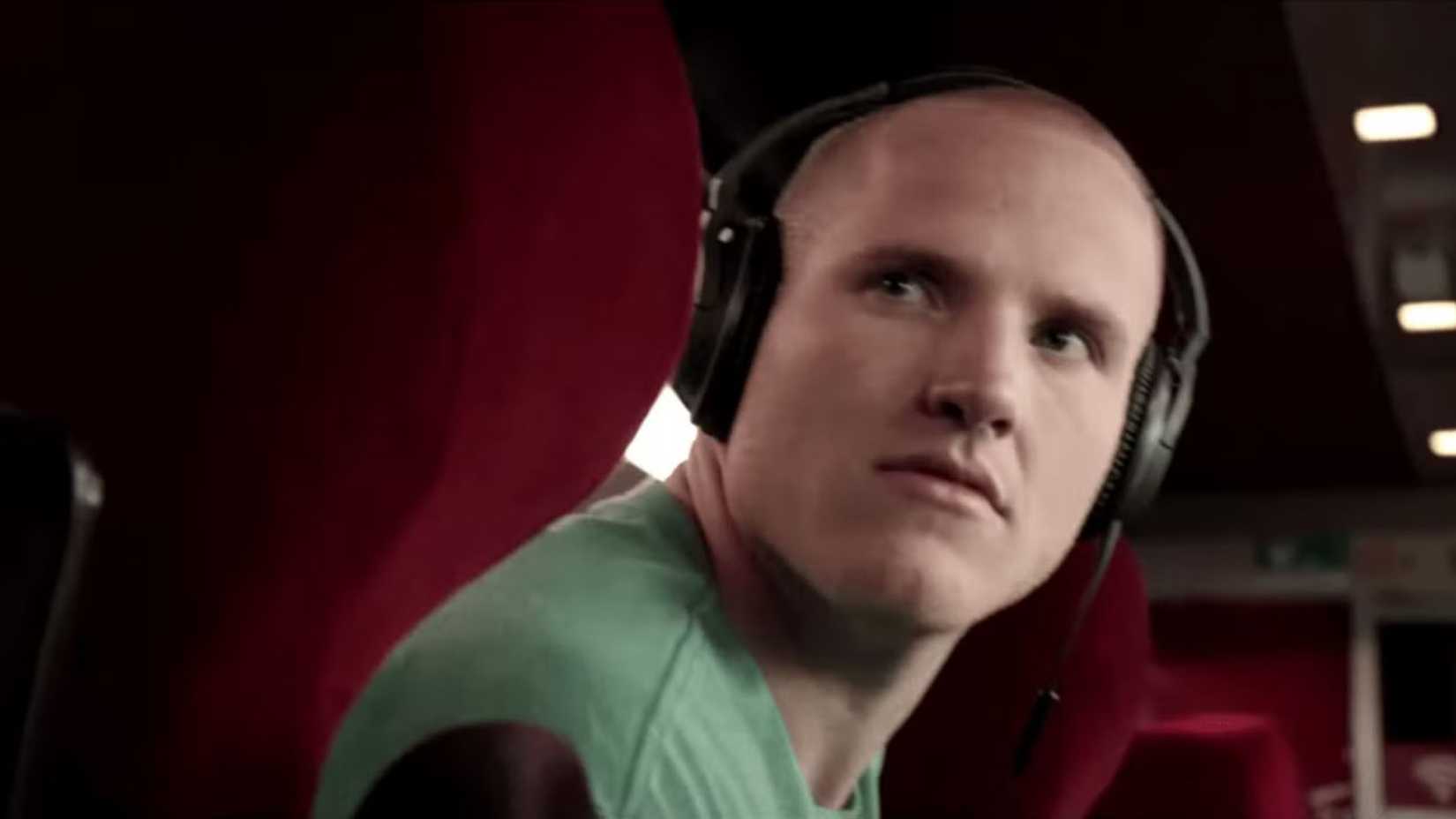
Casting the actual heroes of a terrorist attack to portray themselves was a bold experiment, but The 15:17 to Paris demonstrates why professional actors generally exist. Based on the real-life 2015 attack aboard a train traveling to Paris, the film follows three American friends who helped overpower an armed terrorist. Eastwood recruited Spencer Stone, Alek Skarlatos, and Anthony Sadler to recreate their experiences, hoping to capture an authenticity that a conventional dramatization might lack.
Unfortunately, their considerable real-world bravery doesn't translate into convincing performances. The dialogue is painfully stiff, and the decision to spend much of the film retracing the men's childhoods and European vacation makes the 94-minute running time feel much longer. When the attack finally arrives, Eastwood handles the action with impressive urgency, but those few minutes cannot rescue everything surrounding them. The three men deserved a tribute to their heroism. They also deserved a better movie.
15 J. Edgar (2011)
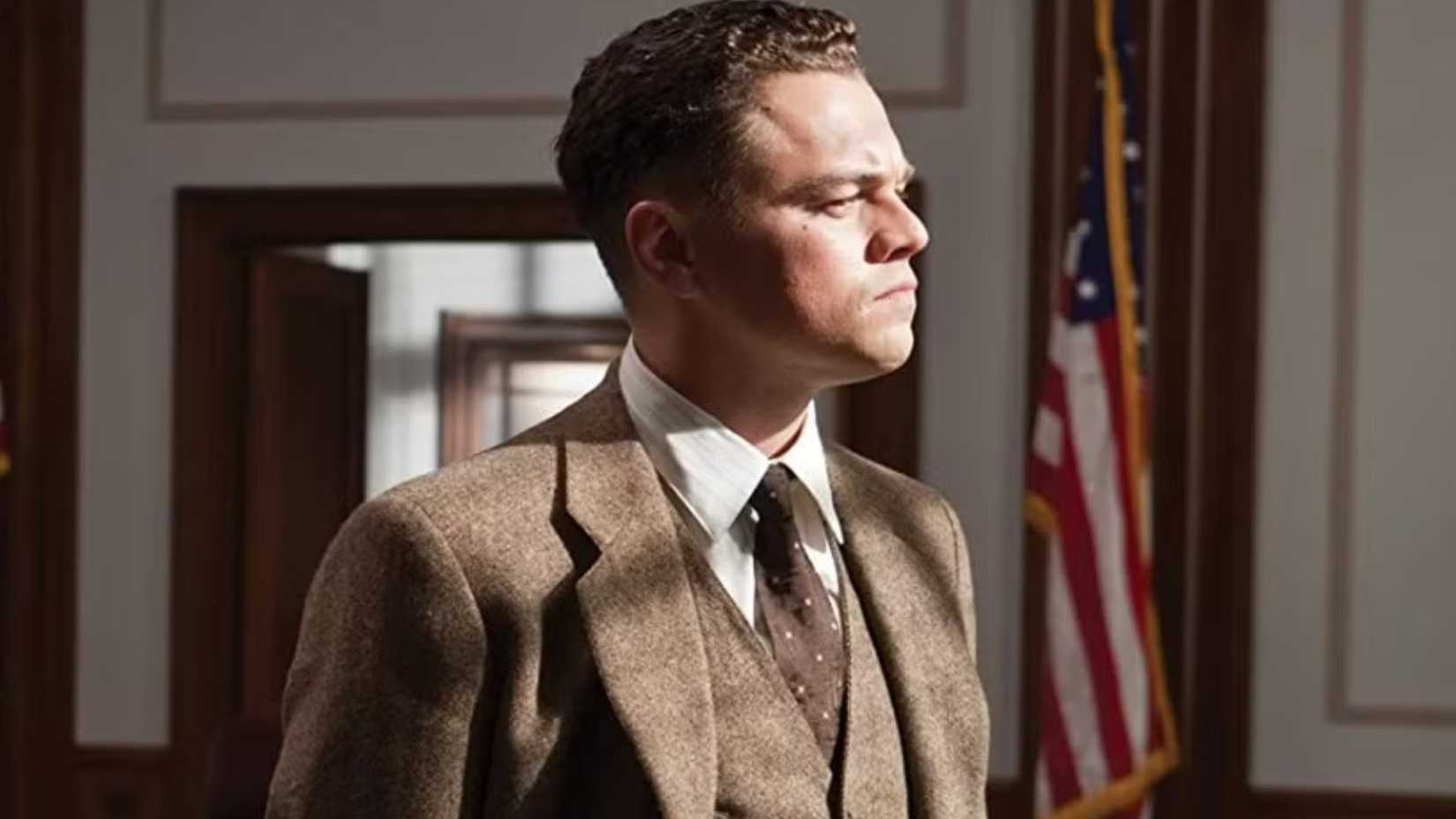
Leonardo DiCaprio playing J. Edgar Hoover sounds like a solid foundation for a fascinating biographical drama. The longtime FBI director was among the most powerful and controversial figures in American history, wielding extraordinary influence over politicians while concealing secrets of his own. DiCaprio commits fully to the role, and Armie Hammer portrays Clyde Tolson, Hoover's longtime associate and confidant.
The trouble is that J. Edgar attempts to cover far too much territory without developing a particularly revealing portrait of its subject. The constant movement between different periods becomes distracting, while the aging makeup frequently threatens to overwhelm the performances. Even more frustrating is the screenplay's reluctance to confront Hoover's abuses of power with the conviction they deserve. Eastwood has made far more incisive films about morally compromised men. Considering how much compelling material Hoover's life provided, this one feels like an especially frustrating missed opportunity.
14 Hereafter (2010)

Death has always fascinated Eastwood, although Hereafter approaches the subject from a considerably more supernatural perspective than audiences might expect. Matt Damon plays George Lonegan, a reluctant psychic who claims to communicate with the dead. Elsewhere, a French journalist survives a catastrophic tsunami, while a young London boy struggles to cope with the loss of his twin brother. Their stories gradually converge as each searches for some understanding of what happens after death.
The film opens with a spectacular tsunami sequence that remains one of the most visually impressive moments of Eastwood's directing career. Unfortunately, the momentum dissipates as the narrative settles into its three separate storylines. Damon's understated performance is appealing, but the eventual resolution feels too conveniently arranged for a story wrestling with such enormous questions. There's something touching about a filmmaker approaching 80 contemplating the possibility of an afterlife. The sentiment is sincere, even when the storytelling struggles to make it convincing.
13 Jersey Boys (2014)

A Clint Eastwood musical might sound like an unlikely proposition, but his lifelong love of music makes Jersey Boys a more logical assignment than it initially appears. Adapted from the Broadway hit, the film chronicles the rise of Frankie Valli and the Four Seasons, whose distinctive sound helped define an era of American pop music. John Lloyd Young reprises his Tony Award-winning role as Valli, bringing an impressive voice to the group's enduring catalog of hits.
Eastwood understands the musicians' working-class backgrounds and the complicated relationships that threatened to derail their success. However, he never quite figures out how to translate the stage production's considerable energy to the screen. The direct-to-camera narration feels particularly awkward, while the dramatic scenes often interrupt rather than enhance the musical performances. A movie featuring songs as infectious as "Sherry" and "Can't Take My Eyes Off You" should be difficult to resist. Somehow, Jersey Boys makes them feel less exciting than they ought to.
12 Midnight In The Garden Of Good And Evil (1997)

Savannah, Georgia, has rarely looked more intriguing than it does in Midnight in the Garden of Good and Evil, Eastwood's adaptation of John Berendt's bestselling book. John Cusack plays a New York journalist whose assignment covering Southern high society becomes entangled in a murder investigation involving wealthy antiques dealer Jim Williams (Kevin Spacey). What follows is a peculiar journey through a city populated by eccentric characters who seem considerably more interesting than the mystery itself.
Eastwood clearly enjoys the material's offbeat atmosphere, particularly the scenes featuring Lady Chablis, who plays herself. The film also benefits from its gorgeous Southern Gothic setting, although its leisurely pacing becomes increasingly problematic over the lengthy running time. The central investigation never generates enough suspense, and several colorful detours ultimately lead nowhere. Nevertheless, there's something appealing about Eastwood allowing a film to become this strange. Midnight in the Garden of Good and Evil might be an uneven thriller, but its personality is difficult to forget.
11 Breezy (1973)

The first film Eastwood directed without taking a starring role was also one of his most unexpected. Breezy stars William Holden as Frank Harmon, a cynical middle-aged real estate agent whose carefully ordered existence is disrupted by a free-spirited young woman named Breezy (Kay Lenz). Their unlikely relationship develops into a romance, although their enormous age difference and conflicting attitudes toward life create obvious complications.
Released when Eastwood was still best known for playing hardened men of action, Breezy revealed an unexpectedly tender side to the filmmaker. Holden brings genuine vulnerability to Frank, while Lenz gives the title character a warmth that makes their connection surprisingly believable. Some of the material has inevitably aged poorly, particularly its romanticized treatment of the couple's age gap. Still, Eastwood handles the performances with considerable sensitivity, resisting the temptation to turn their relationship into a conventional Hollywood romance. His fleeting uncredited cameo aside, Breezy offered an early indication that he had plenty to contribute from behind the camera.
10 Invictus (2009)
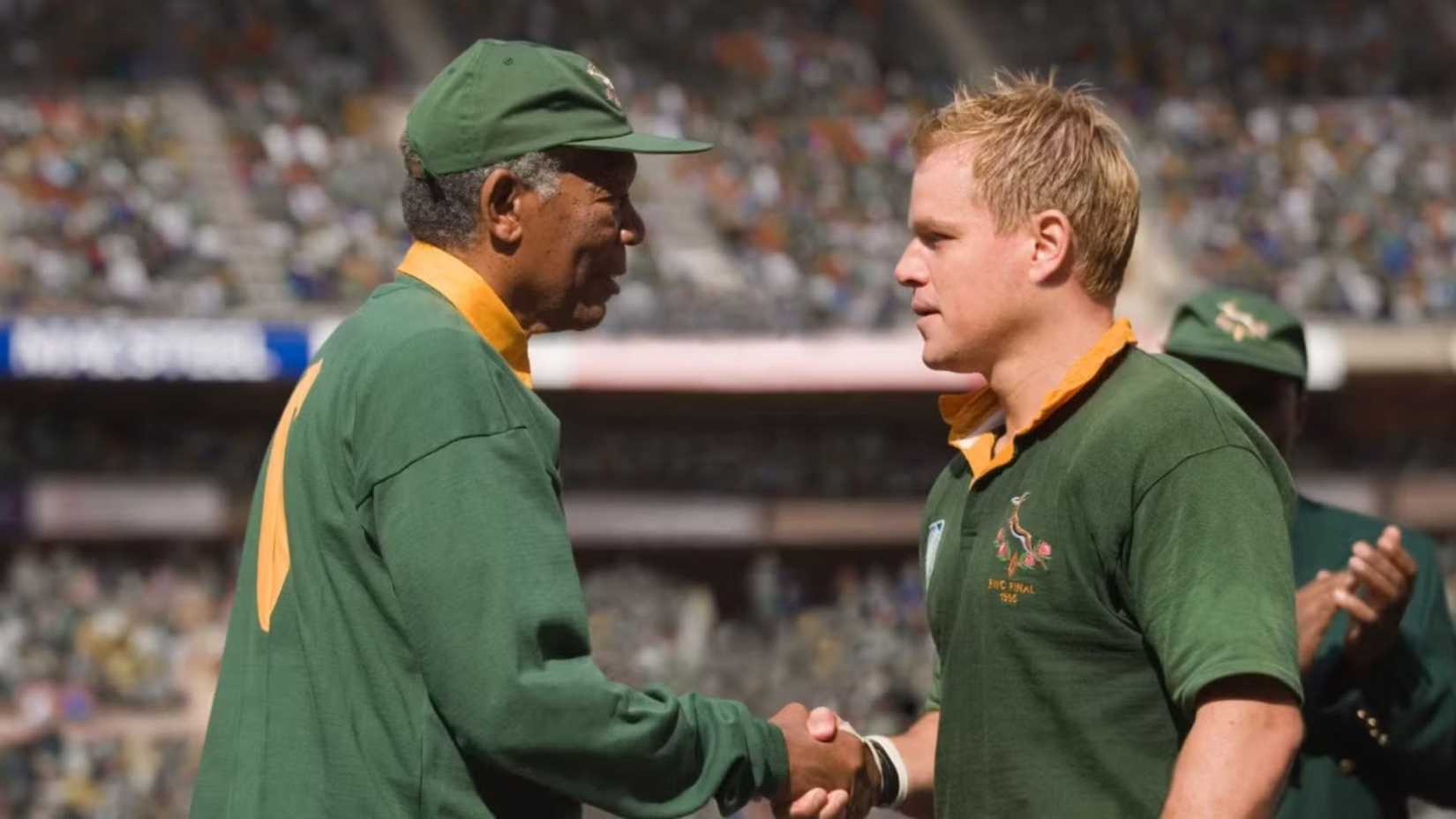
Morgan Freeman portraying Nelson Mandela was practically an inevitability, and Invictus finally brought that inspired casting decision to the screen. Set shortly after Mandela became South Africa's first Black president, the film examines his efforts to unite a country still divided by apartheid. His strategy involves supporting the national rugby team during the 1995 World Cup, with Matt Damon playing captain François Pienaar.
Freeman is exceptional, capturing Mandela's warmth and quiet determination without reducing him to a collection of inspirational speeches. Eastwood also handles the rugby sequences effectively, turning a sport unfamiliar to many American viewers into genuinely compelling drama. The film's biggest weakness is its tendency to simplify South Africa's deeply complicated political divisions in pursuit of an uplifting conclusion. Even so, Invictus remains an accomplished crowd-pleaser, driven by Freeman's commanding performance and Eastwood's obvious admiration for Mandela's ability to recognize the power of reconciliation.
9 Flags Of Our Fathers (2006)

One of World War II's most recognizable photographs becomes the starting point for Flags of Our Fathers, Eastwood's examination of the men who raised the American flag on Iwo Jima. Rather than simply celebrate their actions, the film considers what happened after the surviving servicemen were transformed into national celebrities. Ryan Phillippe, Jesse Bradford, and Adam Beach portray soldiers struggling with the enormous expectations imposed upon them.
While many of the 20th century's greatest war movies focus on the horrors of combat, Eastwood is equally interested in what happens after the fighting stops. The men become symbols of patriotism while remaining deeply troubled by their experiences, and the publicity surrounding their supposed triumph only makes their disconnection more painful. Unfortunately, the film's fragmented structure occasionally dilutes its emotional impact, particularly when the story moves away from the soldiers themselves. Flags of Our Fathers is a thoughtful examination of wartime mythmaking, although its companion film, Letters from Iwo Jima, would ultimately deliver a more cohesive and devastating account of the same battle
8 Changeling (2008)
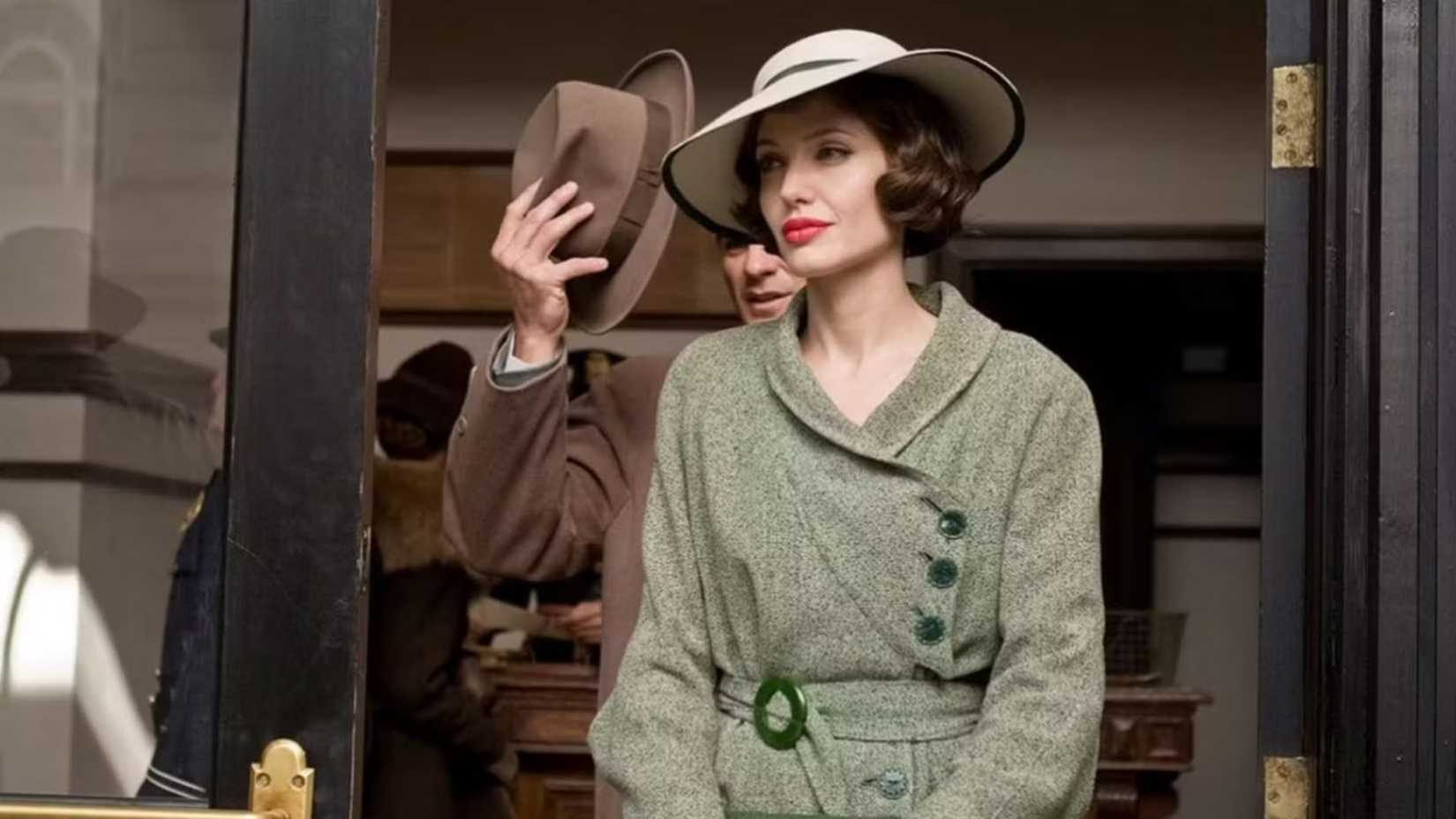
Few of Eastwood's films inspire quite as much anger as Changeling, a disturbing drama inspired by real events in 1920s Los Angeles. Angelina Jolie stars as Christine Collins, a single mother whose young son disappears without explanation. When the police announce that they've found him, Christine immediately realizes the boy they've returned isn't her child. Rather than acknowledge their mistake, the authorities attempt to discredit her, eventually having her committed to a psychiatric institution.
Jolie gives one of her strongest dramatic performances, capturing Christine's desperation without reducing her to a helpless victim. Eastwood makes the police department's abuse of power particularly infuriating, allowing the institutional corruption to emerge through increasingly outrageous attempts to silence her. The sprawling narrative occasionally loses focus as additional crimes and investigations enter the picture, but the emotional stakes never disappear. Changeling is a deeply upsetting film, made all the more disturbing by the knowledge that Christine's extraordinary ordeal was rooted in reality.
7 American Sniper (2014)
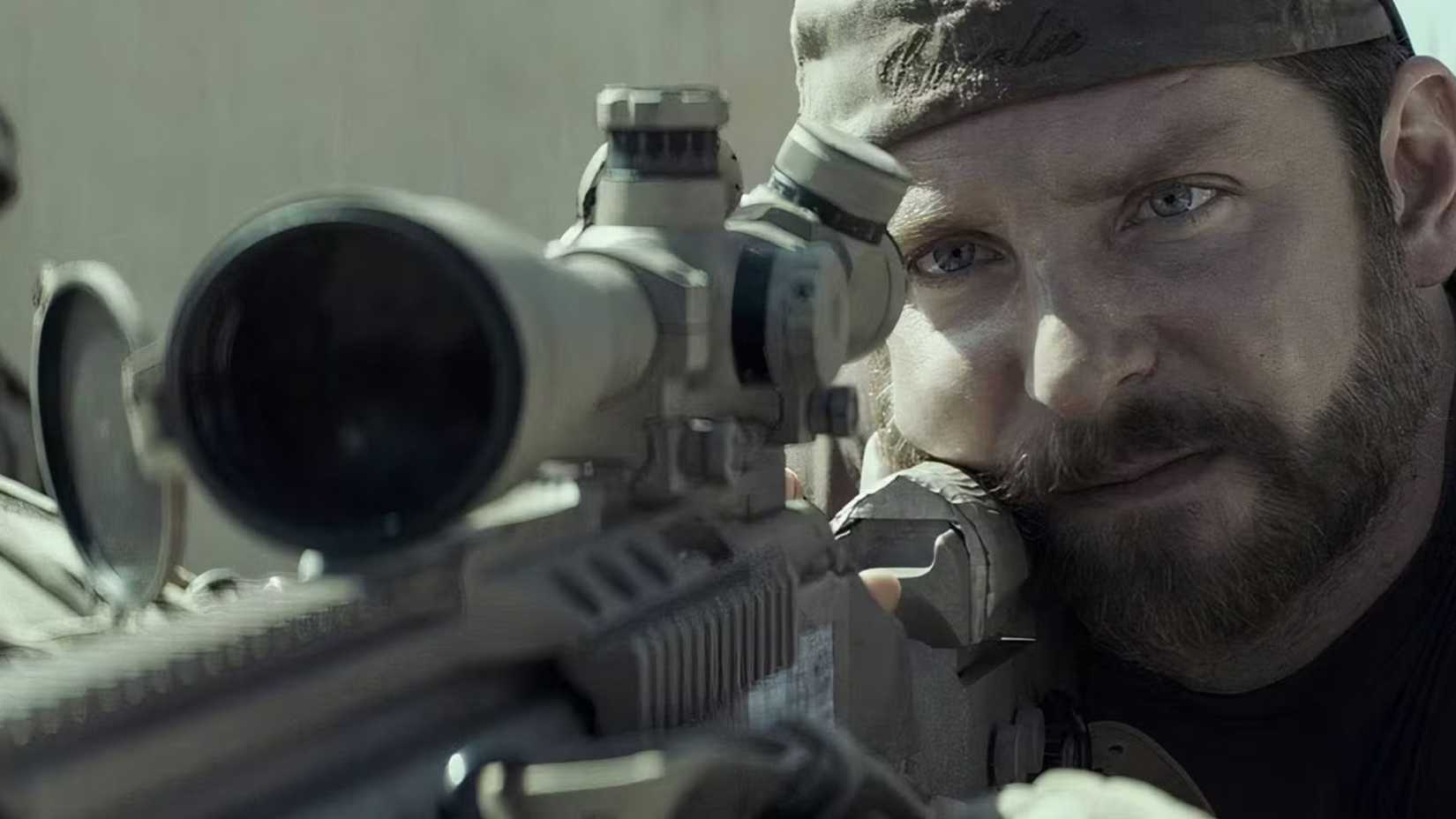
Bradley Cooper underwent a remarkable physical transformation to portray Navy SEAL Chris Kyle in American Sniper, but the real achievement is how convincingly he captures the psychological toll of combat. Based on Kyle's memoir, the film follows his experiences during the Iraq War and his increasingly difficult attempts to reconnect with civilian life. Sienna Miller portrays his wife, Taya, who watches her husband become more emotionally distant with each deployment.
Eastwood's combat sequences generate tremendous tension, particularly when Kyle must make decisions with potentially devastating consequences. Yet the film is most affecting when Cooper returns home and struggles to engage with the life he supposedly fought to protect. American Sniper has attracted legitimate criticism for its simplified portrayal of the Iraq War and its treatment of Iraqi characters, shortcomings that complicate its legacy. Nevertheless, Cooper's performance gives the drama considerable emotional weight, while the film's extraordinary commercial success demonstrated that Eastwood remained a formidable box office force well into his 80s.
KioskNews shows a cleaned-up reading view extracted from the publisher’s page — the original always lives on their site, not ours.