‘Nang’ addiction led Sam to psychosis. Now he wants Queensland laws to change
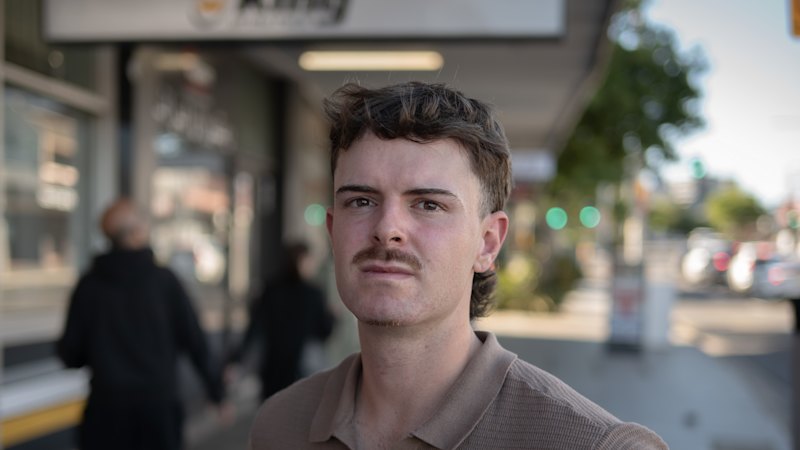
Sam Bramman thought he was experimenting with a harmless party drug the first time he cracked open a small silver canister and inhaled nitrous oxide.
The high from the bulb, recreationally known as “nangs” or “laughing gas”, was fleeting: a 30-second rush that ended nearly as quickly as it began.
But in the days after that party, it was all the 19-year-old could think about, and before long he was buying packets of the canisters to do alone.
“Then one packet wasn’t enough,” Bramman says. “It really quickly spiralled.”
Nitrous oxide is commonly used in medical settings to manage pain and in commercial kitchens for cooking. While it has long been associated with recreational use, products are now more readily available through delivery services and retailers such as tobacconists.
Bramman says he quickly became addicted to nangs, using up to 50 a day. Six months after his first hit, he went into psychosis and spent two months as an involuntary patient in a psychiatric ward.
“When I was in my psychosis, I was completely out of touch with reality,” he says.
“I drove up from Sydney to the Gold Coast by myself and was walking around the Surfers Paradise area screaming, incoherent.
“Thankfully, my parents found me and took me to a hospital.”
Now aged 22, Bramman has used his experience to launch a national campaign called No2Nangs, raising awareness about the harms of recreational nitrous oxide use, and lobbying for tougher laws to restrict their sale and access.
It’s already had success. This week, NSW will introduce regulations to curb nitrous oxide misuse, including a ban on the sale of products to under-18s and restrictions on same-day delivery.
The ACT and Tasmania are said to be considering similar measures, and Bramman hopes Queensland will be next.
“I’d like to [see Queensland legislation] target the sale of large tank canisters … and online delivery services,” he says.
“They’re operating legally through loopholes saying that they’re delivering products for hospitality use … but they’re really targeted to people who use it recreationally.”
Bramman points to one delivery service that claims 360,000 orders in Queensland since 2018, with products available 24/7 and promised in under an hour.
Cracking down on door-to-door delivery services is a contentious issue for Labor MP Joe Kelly, who has argued for nang reform.
In June, he launched a petition calling for 24/7 distributors to be banned and the sale of nitrous oxide products to be limited to registered commercial operators or licensed buyers.
“There’s a real problem with this in our community,” Kelly says.
“All of the families that I’ve engaged with all point to that 24/7 delivery and say it’s why it’s so hard to beat this addiction, because you just have instant access almost to this stuff.
“If you talk to people in the hospitality industry, they just wouldn’t use the volumes of gas these guys are selling to whip cream … and doctors and dentists don’t buy gas from [delivery app] Nangaroo.
“There’s no reason for it to be being sold the way it’s being sold.”
Responding to Kelly’s petition, state Health Minister Tim Nicholls acknowledged harm caused by nangs and laws introduced to target their sale in illegal tobacco and vape stores.
“Since November 2025, Queensland Health has been able to seize nitrous oxide products found at retail and wholesale premises selling or storing illicit tobacco and nicotine products,” Nicholls wrote.
“More than 27,800 nitrous oxide canisters and bulbs have been seized because of these reforms.”
He said nitrous oxide was classified as a Schedule 6 substance in Queensland and subject to labelling warning of harm from misuse, and said additional actions to strengthen community safety responses would be considered.
Earlier this year, the Therapeutic Goods Administration launched two proposals to amend the current scheduling of nitrous oxide to manage the increasing public health risks from its misuse.
Queensland Network of Alcohol and Other Drug Agencies (QNADA) chief executive Rebecca Lang supports the first proposal limiting the sale of large nitrous oxide canisters, but not the second seeking to reschedule other products as a controlled drug.
“The issue for us is always that all these things focus on supply, and there’s never any kind of consideration in these processes to the reasons why people are interested in the products,” Lang says.
“There was nothing [in the TGA’s] proposal for providing any information or education to the community about the risk of harm.
“We’ve known for at least 25 years now that criminalising personal possession of a substance is not an effective way to reduce harm or reduce use, and yet we keep reaching for that as a policy response.”
Start the day with a summary of the day’s most important and interesting stories, analysis and insights. Sign up for our Morning Edition newsletter.
More:
KioskNews shows a cleaned-up reading view extracted from the publisher’s page — the original always lives on their site, not ours.