Mindanao advocates reject mining as ‘solution’ to climate crisis
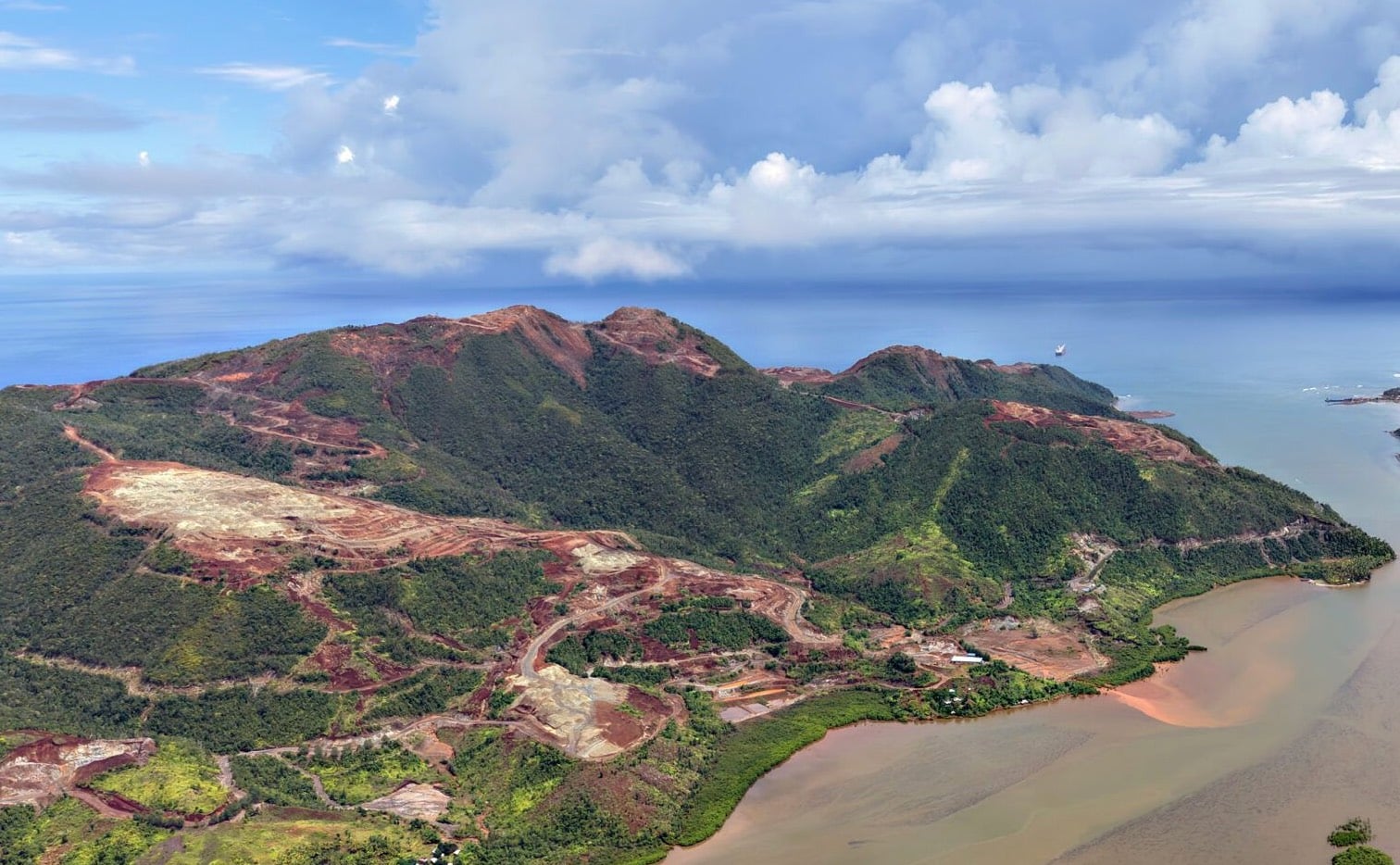

BALINGASAG, Misamis Oriental — Can you save the planet by tearing it apart?Mindanao’s environmental coalition and indigenous defenders are asking this question as they reject the narrative that aggressive mining is a “necessary evil” for the global transition to clean energy.Panalipod People’s Coalition (PPC) issued a sharp pushback on Monday against recent claims by lawyer Mike Toledo, chairman of the Chamber of Mines of the Philippines, who championed mining as “indispensable” in the fight against climate change due to the high demand for transition minerals like nickel and copper.
READ: PH mining sector urged to reinvent as climate risks intensifyAdvocates, however, argue that using the climate crisis to justify ecological destruction and human rights violations in Mindanao is both hypocritical and dangerous.“The demand for critical minerals must not become a blank check for environmental destruction or human rights abuses,” Fr. Raymond Ambray, head of the Diocese of Tandag’s Indigenous People’s Apostolate, told the Inquirer Monday.Ambray, one of the resource persons in a seminar-writeshop organized by the Mindanao Climate Justice (MCJ) here, added: “A genuinely just transition must protect biodiversity, safeguard communities, and hold those responsible for documented harm accountable.”Heavy toll in CaragaWhile mining companies position themselves as “heroes of the green movement,” communities on the ground say they are paying the price.The Caraga region, considered the country’s “mining capital,” has borne the brunt of the extraction boom.
A 2025 report by Climate Rights International (CRI) documented the grim reality for locals: declining fish catches, poisoned water sources, ruined farmlands, and heightened vulnerability to natural disasters.The sheer scale of the operations is massive.
Article continues after this advertisement
According to CSI data, six active Surigao del Sur projects cover 17,614 hectares of land while 10 concessions in the Dinagat Islands cover 24,221 hectares.
FEATURED STORIES
NEWSINFO
NEWSINFO
NEWSINFO
Caraga alone accounted for 60 percent of the country’s total nickel output in 2023, it noted.
READ: Nickel mining increases Caraga’s risk to severe storms – groupAdvocates say these numbers represent more than just economic data — they show a vast ecosystem under siege. They are demanding immediate, independent cumulative impact assessments to understand how decades of mining have crippled the region’s watersheds, forests, and community livelihoods.Guardrails, not PRPP C member organizations are calling on government agencies, mining corporations, and investors to stop treating environmental and social costs as collateral damage.
The group urged enforcing safeguards by mandating strict compliance with environmental laws and ensuring companies fulfill their rehabilitation duties; upholding Indigenous rights through secure, genuine Free, Prior, and Informed Consent (FPIC) and ending the red-tagging and harassment of land defenders.They also sought the protection of watersheds by keeping mining completely out of biodiversity-rich areas, prioritizing recycling by investing in mineral recovery and circular economy solutions to reduce the need for new destructive extraction, and ensuring accountability by providing tangible, immediate remedies for communities suffering from documented mining-related damage.‘Protect people, not just the future’For the PPC, the debate is not a simple choice between mining and renewable energy. It is about how the transition is governed, who benefits, and who gets left behind.They argue that if the world’s shift to renewables is built on the destruction of local ecosystems and the displacement of indigenous peoples, it is not a solution — it is just another crisis.
READ: Green groups urge gov’t to fast-track energy transition“Climate action must not justify sacrificing irreplaceable ecosystems or community well-being,” Ambray pointed out. “If mining is to play a role, it must prove compliance and responsibility — not rely on public relations (PR) claims.” /coa
KioskNews shows a cleaned-up reading view extracted from the publisher’s page — the original always lives on their site, not ours.