Dollar to Naira exchange rate today, October 30, 2026
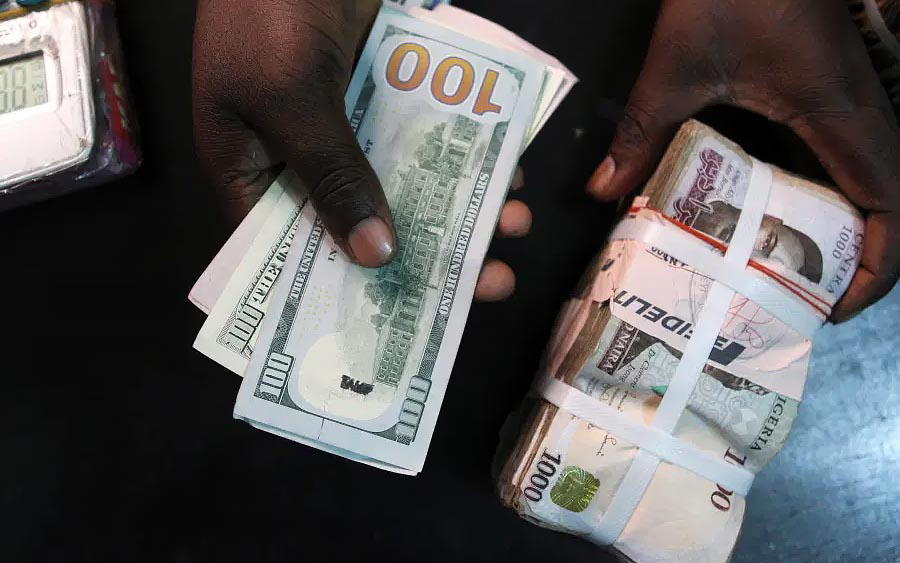
The Nigerian Naira opened today, Friday, October 30, 2026, holding firm against the United States Dollar across both the official foreign exchange window and the parallel market, following sustained liquidity interventions by the Central Bank of Nigeria (CBN) and healthy diaspora inflows.
At the official Nigerian Foreign Exchange Market (NFEM), the spot exchange rate traded at N1,346.86 per dollar during early morning transactions. Commercial banks and corporate importers observed orderly liquidity conditions as FX demand for trade obligations, tuition fees, and capital repatriation continued to be met across authorized channels.
In the parallel market, commonly referred to as the black market, street traders and Bureau De Change operators across major economic centers, including Lagos, Abuja, and Kano, quoted buying rates around N1,375 per dollar, while selling rates hovered around N1,385 per dollar.
The price gap between the official market and the parallel window remains narrow. Financial analysts attribute the relative stability of the local currency to Nigeria’s solid foreign reserve buffer, which remains well above $55 billion, enabling the central bank to cushion short-term demand shocks and maintain stability across trading channels. Market experts expect trading to remain steady throughout the business day as routine demand is steadily absorbed by market liquidity.
KioskNews shows a cleaned-up reading view extracted from the publisher’s page — the original always lives on their site, not ours.