Republicans tiptoe around Trump as they process defeat in the 2026 elections
WASHINGTON — Sen. Jim Justice, R-W.Va., didn’t mince words when he was asked what happened to Republicans in the midterm election.
“We forgot those people out there are hurting, and they vote,” said Justice, a former governor who is in his first term in the Senate. “We got our ever-loving butt handed to us.”
But when he was asked whether President Donald Trump made mistakes that fueled the resounding defeat — such as starting the unpopular Iran war and levying tariffs that drove up costs — Justice hesitated.
“Look, everything plays a part in the whole deal,” he said, without blaming Trump.
He said Trump was given advice about Iran and processed the situation “as best he possibly can.”
The remarks capture the Republican zeitgeist on Capitol Hill after the party suffered one of its biggest electoral disasters of the century, losing over 40 House seats and at least seven Senate seats, some in deep red territory. The results and the exit polls tell a clear story: A country that elected Trump in 2024 to lower the cost of living deemed him a failure on that core promise, blaming his policies for making things worse and punishing Republicans from coast to coast.
11:47
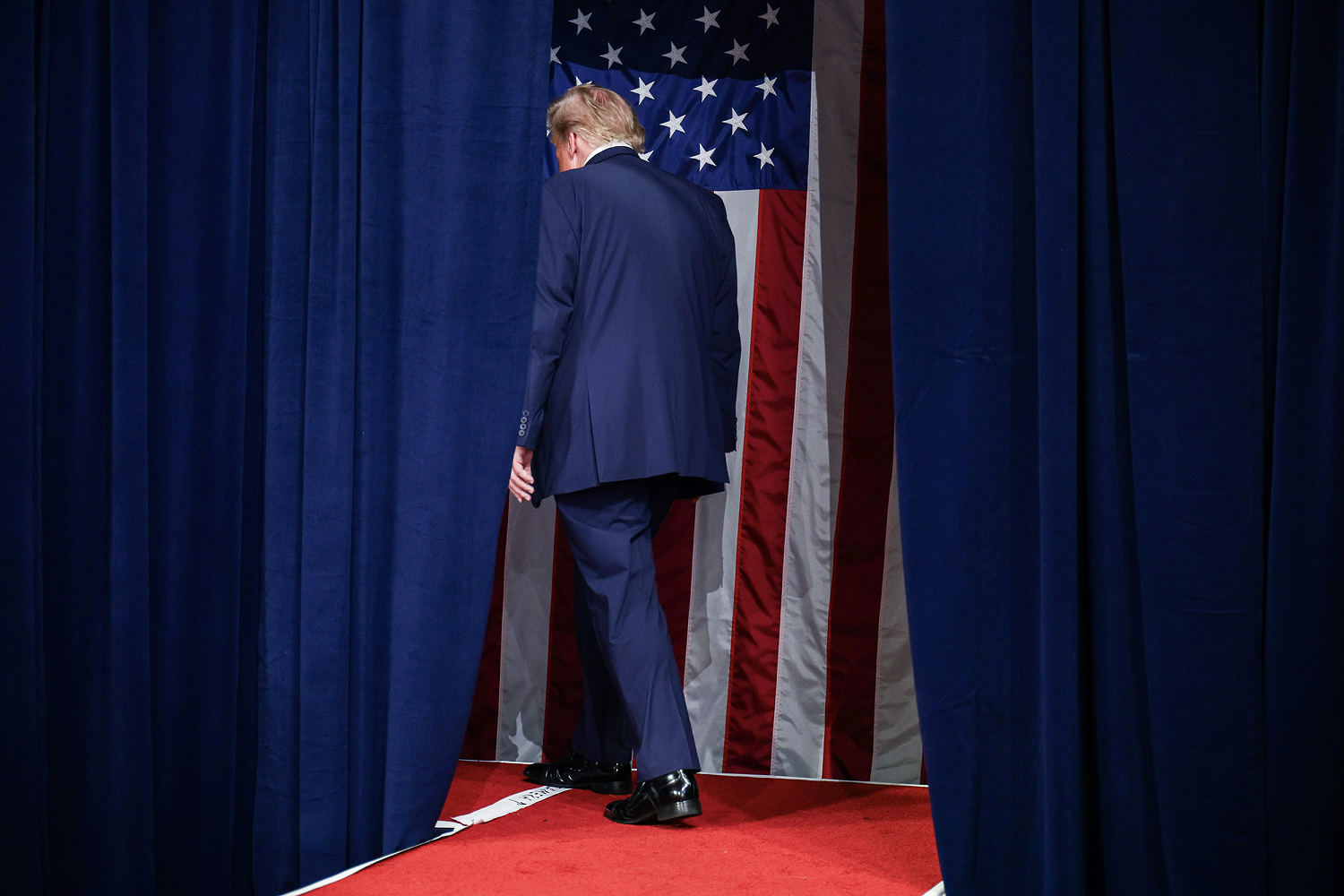
But even as they say they want a course correction, shell-shocked GOP lawmakers are deeply reluctant to blame Trump, much less use their power on Capitol Hill to change his policies that drove up the costs of gas, diesel and food.
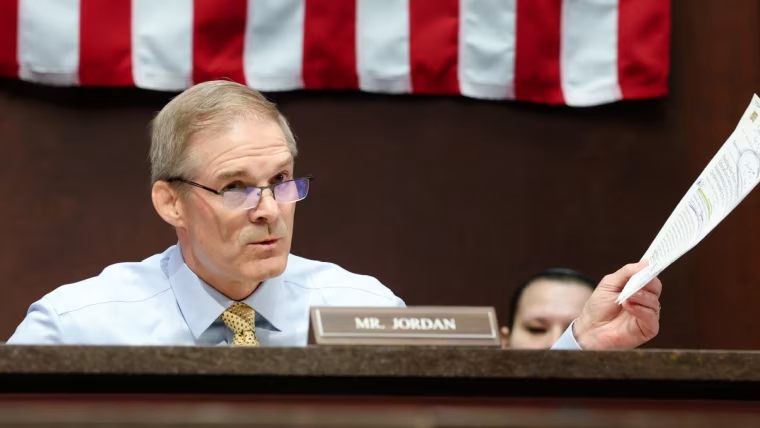
The early responses indicate that Republicans on Capitol Hill — at least the ones who survived the election — will remain loyal to Trump as he enters his final two years. That was epitomized by the House GOP’s moving to elect an ultraconservative Trump ally, Rep. Jim Jordan of Ohio, as the new minority leader.
Sen. John Kennedy, R-La., said the 2026 campaign was “an economic election” and played down the Iran war as a reason for the results.
“I don’t think that Republicans lost every single statewide election in Texas because voters thought that America’s foreign policy was too interventionist,” he said.
Kennedy said it’s important that Republicans speak to one another and find “consensus on what we need to change” to right the ship. “I’m not looking for blame-shifting. I’m looking for self-examination,” he added.
Does Trump also need to do some self-examination?
“I don’t have any advice today for the president,” Kennedy said.
First-term Rep. Gabe Evans, R-Colo., who was trounced by 15 percentage points in a district he narrowly won two years ago, wouldn’t say whether Trump’s Iran war and tariffs harmed his prospects.
“We’re still looking at all the data, so I’ll have to get back to you,” Evans said Wednesday.
NBC News’ National Exit Polls showed that 74% of voters ranked the Iran war as either “crucial” or “a major factor” in deciding their votes for Congress this year. Sixty-four percent said Trump’s tariffs had hurt the economy in their areas.
Republican Rep. Lauren Boebert, whose red district in eastern Colorado was widely expected to be safe, trails by more than 3,000 votes with 98% of the expected vote in in a race that NBC News hasn’t yet called. She hedged when she was asked whether Trump’s war or tariffs fueled the blue environment and put conservative districts like hers at risk.
“There’s so much. ... It’s not just the president,” Boebert said. “We collectively failed. ... It’s very clear. The American people let us know that we have failed in this governing experience.”
Sen. Josh Hawley, R-Mo., said Republicans lost because they failed to deliver on key conservative promises and exceeded their 2024 mandate in ways that hurt working-class Americans.
He identified a variety of reasons for the electoral defeat. Trump didn’t make the cut.
“As a Congress, when you choose to fund Planned Parenthood but cut Medicaid, when you choose to fund transgender surgeries for minors but you cut rural healthcare spending, when you abandon pro-lifers, when you abandon the poor, when you abandon the needy, when you abandon working people, you’re going to get your butt kicked, and you’re going to deserve it,” Hawley said. “I think that’s where we are.”
One Republican, however, directly made the case that Trump’s White House misread the meaning of the 2024 election: Sen. Thom Tillis of North Carolina.
“It was just a classic example where the administration read it as a mandate. They got ahead of their blockers. They didn’t consult with Congress. We went too far,” Tillis said, adding that some of the administration’s policies made sense but that “the time, the speed” and the messaging “just made it untenable.”
Tillis argued that the GOP should get back to basics with a version of the party that had broader appeal.
“You go back and ask yourself, ‘Do we get back to a party that created a pretty far reach, and how do we build on it from there?’” he said. “Get back to our ideological roots.”
Tillis announced in June 2025 that he would retire after he clashed with Trump. The Trump-backed nominee for his seat, Michael Whatley, lost by 19 points.
KioskNews shows a cleaned-up reading view extracted from the publisher’s page — the original always lives on their site, not ours.