British Gas reveals minimum temperature to set heating when not home as Britons hit by freezing temperatures
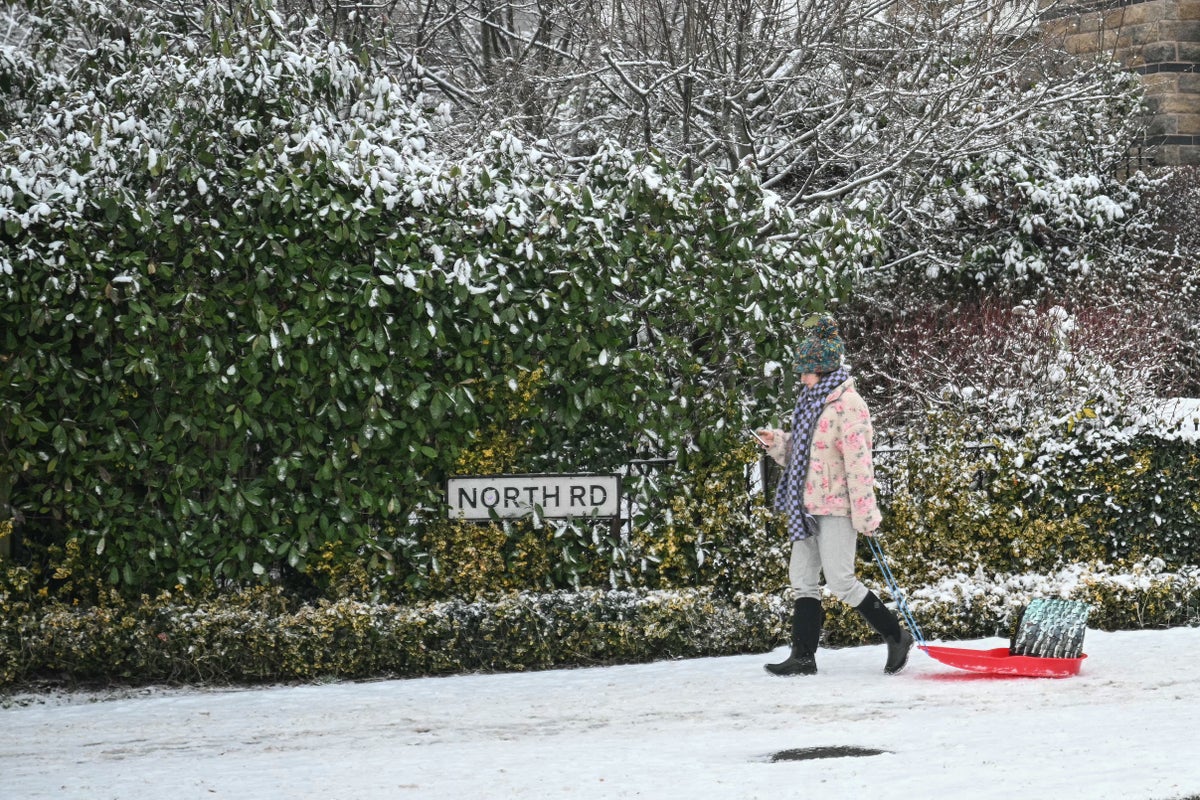
Britons have been told what to set their thermostats to if they are away from home as temperatures plummet and winter approaches in the UK.
British Gas has advised households to drop their heating to no lower than 5 to 7C in order to prevent damage to their homes, while not pushing up their energy bills too high.
It is urging the public to get their homes ready for winter with simple checks, including topping up boiler pressure, bleeding radiators, insulating pipes and clearing gutters ahead of the winter months.
The warning comes as wintry conditions kick in across the country and forecasters warn that Britain could face colder temperatures in late November when a collapsing polar vortex could push freezing Arctic air southwards.
Friday night was the coldest night of autumn for much of the UK, with temperatures dropping to lows of -6.5C, the Met Office said.
The NHS recommends that households are heated to at least 18C during winter months when people are home.
Peter Knowles, a British Gas service and repair engineer, said: “After the warmer summer months, it’s easy to put off some of those jobs around the home until the weather takes a turn.
“But getting ahead now can make all the difference. Checking your boiler and radiators are working as they should, protecting pipes and making sure your home is ready for wetter weather are all simple things you can do before winter sets in.”
The energy provider says households need to check their boiler pressure, which can drop over time and should usually sit between 1 and 1.5 bar.
It also advises people to make sure windows and doors are properly sealed to stop heat escaping when temperatures drop.
Households are also urged to insulate their pipes to prevent them from becoming frozen and causing serious damage.
Energy bills are forecast to rise by £276 a year from January, as the Iran war continues to push up gas prices. British Gas says one way to save money on energy bills is to use zonal heating and avoid heating rooms that aren’t regularly used.
The Met Office said a changeable and often rather unsettled period is most likely for the rest of November, with further areas of low pressure moving in from the Atlantic.
“Whilst all parts are likely to see some rain at times, it is southern areas which may turn out to be the wettest, relative to average conditions, through this period,” it said.
Next month, low pressure is expected to become slow-moving to the west, then south of the UK, whilst pressure builds to the north of the country.
“Further rain is probable across southern and perhaps central areas, but below average precipitation could occur in parts of the north, especially the northwest,” it said.
“With a blocked weather pattern signalled to develop, this increases the chance of colder conditions overall, with associated winter hazards, e.g. snow and ice, occurring; this most likely further to the north.”
KioskNews shows a cleaned-up reading view extracted from the publisher’s page — the original always lives on their site, not ours.