Hong Kong plans to impose EV battery levy of HK$6 per kg on suppliers from 2028
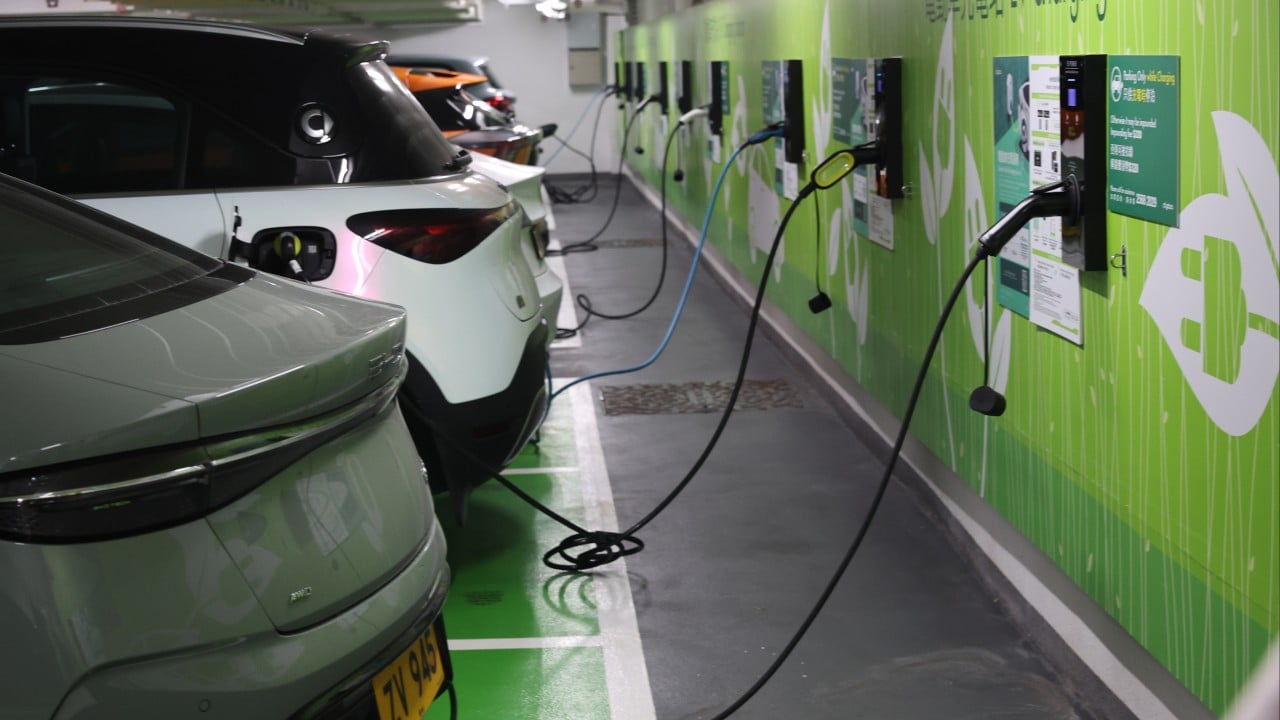
Hong Kong plans to impose an initial recycling levy of about HK$3,000 (US$380) on each electric vehicle battery, requiring suppliers to pay the charge rather than vehicle owners as demand grows for the handling of retired batteries.
The Environmental Protection Department said on Friday that the levy, expected to be implemented in 2028, would be raised gradually and reach about HK$15,000 in 2043 for a battery typically weighing 500kg (1,102lbs).
Asked whether suppliers would pass the extra costs on to EV owners, the department said “market forces” would determine if that happened.
An Environmental Protection Department spokesman said authorities would review the scheme’s income, expenditure and effectiveness annually, adjusting the levy in a timely manner in response to market trends and fluctuations in recycling costs.
The department came up with the proposal following a consultation conducted in 2023, with a plan to submit a draft bill to the Legislative Council in 2027.
The proposal aims to tackle an increasing number of retired EV batteries, with the department noting that the lifespan of such batteries is generally five to 10 years. Based on past EV first registration data, the department estimated that the weight of retired EV batteries over the next five years would jump from 1,300 tonnes in 2026 to about 6,700 tonnes in 2030.
Under the proposed scheme, EV suppliers must register with the Environmental Protection Department and pay an initial levy of HK$6 per kilogram of battery weight before distributing new vehicles or batteries in the city.
The HK$6 starting rate is expected to rise by HK$1.60 annually until it reaches HK$30, which would translate into a levy of about HK$15,000 in 15 years for a typical private vehicle with a 500-kilogram battery.
The levy is expected to take effect in 2028, with the scheme fully implemented in 2029. Batteries distributed before the scheme takes effect will be exempt from the recycling levy.
Suppliers will also be responsible for arranging the collection and recycling of retired batteries, either by providing the services themselves or engaging approved scheme operators to act on their behalf, while each EV owner will be entitled to one free recycling and vehicle scrapping service.
The number of electric vehicles has continued to grow in Hong Kong, with more than 180,000 EVs registered in the city as of October 2026, about six times the figure in 2021. This number is projected to exceed 400,000 by 2035.
In June this year, Hong Kong’s first EV battery recycling facility began operating at EcoPark in Tuen Mun. The facility has the capacity to handle about 10,000 tonnes of retired EV batteries per year.
The department estimated that the proposed scheme could generate HK$66 million in added economic value and more than 120 full-time jobs.
KioskNews shows a cleaned-up reading view extracted from the publisher’s page — the original always lives on their site, not ours.