Russia's New Weapon Against Ukraine: AI-Generated Songs
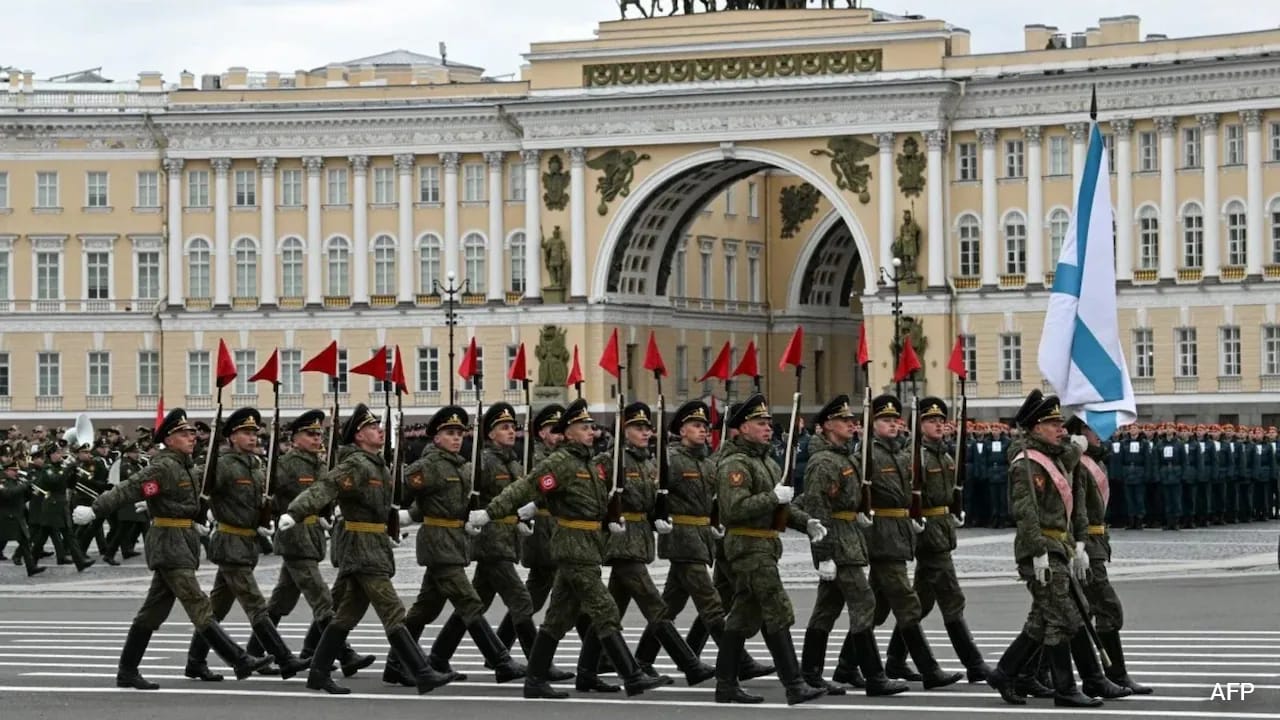
Russia has found a new way to boost its propaganda war against Ukraine: making songs with artificial intelligence, as technological advancements impact wartime publicity while reshaping warfare as a whole.
According to a report by The New York Times, hundreds of such songs have taken over some of the most popular music streaming platforms in the world, including Spotify, and US-based apps like YouTube Music and Apple Music.
From maudlin ballads to grinding thrash metal, the songs sometimes use ethnic slurs to dehumanise Ukrainians and glorify Russian soldiers. The songs generally call the war started by Russian President Vladimir Putin a "necessary defence", while portraying the frontlines as no better than hell.
Many of the songs take on the sentiment of Soviet war songs and recast them into modern genres.
READ | Russia Paying US Recruits $26,000 To Sign Up For Ukraine War: Report
As per a research paper published by a non-profit organisation Terrecon, and quoted by the NYT, the AI-generated propaganda songs have been streamed millions of times on popular platforms like Spotify, Apple, YouTube and Deezer - companies that usually restrict AI and hate content in case of music.
It was not clear how popular the songs were. But one song, created on AI platform Suno and uploaded to YouTube has received over two million views in two years. The song, accompanied with a video montage, is about artillery weapons.
Russian Government's Role
In total, as many as 981 songs were found to be "pro-Russian war propaganda" according to Terrecon, with a majority of them being released after 2024 when AI song generators like Sudo and Udio took over the market.
It is not clear how far the Russian government has gone in boosting the songs' reach on the internet, but Moscow has previously played a significant role in promoting wartime cultural content.
According to Russian news reports cited by the NYT, a director of the Internet Development Institute said the organisation had promoted more than 350 artistic projects about the war. The organisation works closely with the Kremlin to promote patriotic values.
READ | In 'Avengers: Age Of Ultron' Moment, Ukraine Launches 'Army Of Robots'
Should Platforms Be Blamed?
According to the report, the consistent publishing of the songs can be partly attributed to streaming platforms that have struggled to keep up with the surge of AI-generated content.
Some services, like Deezer and YouTube Music require labelling to identify AI content. In a response to NYT's questions, Spotify said it had enabled a policy to label AI-generated songs and not recommend them to users.
While the major platforms have policies against hate content, they do not explicitly ban propaganda, nor do the sites always recognise slurs or expressions in a foreign language.
Terrecon's researchers tested Suno, Udio and Google Flow Music in the United States, and Mureka, based in Singapore. They wrote prompts in Russian and English to promote violence and Russian propaganda.
While the generators initially refused to create songs, researchers were able to create songs similar to the ones they had originally wanted. They also uploaded them to YouTube Music and SoundCloud.
"The moderation systems mainly responded to specific banned words rather than the overall meaning of the prompts," Terrecon's report says.
KioskNews shows a cleaned-up reading view extracted from the publisher’s page — the original always lives on their site, not ours.