Record heatwaves bring Britain’s second-best butterfly season in 16 years
The recording-breaking heat of 2026 delivered the second-best British butterfly season of the past 16 years, according to the Big Butterfly Count.
The largest insect count in the world, in which more than 100,000 volunteers counted almost 1.4m common butterflies and day-flying moths, confirmed what many people experienced – a noticeable profusion of butterflies during the five-heatwave summer.
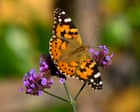
Particularly numerous were painted ladies, a migratory species which arrives in Britain each summer via a relay of several generations flying from sub-Saharan Africa. Their numbers were up 335% on last year, with the Butterfly Conservation count recording their second-highest numbers since the count began in 2010.
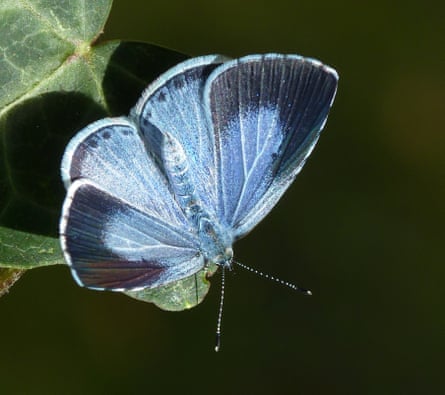
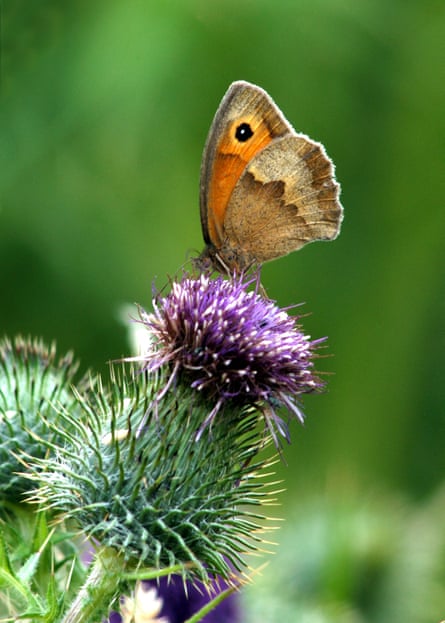
The holly blue and the gatekeeper both had their best ever Big Butterfly Count results, while the small copper recorded its third best year. The overall results were the best for butterflies since the summer of 2019.
But Butterfly Conservation warned that the drought in many parts of Britain could cause the collapse of butterfly populations next year because this summer’s caterpillars, which mostly produce adult butterflies next year, may have perished when so many grasses, wildflowers and other plants shrivelled and died in extremely dry conditions.
Richard Fox, head of science at Butterfly Conservation, said: “Adult butterflies love hot, sunny weather for flying, feeding and breeding, and that’s exactly why people saw so many this summer. But a good summer for adult butterflies is not the same as a good summer for butterfly populations.
“What matters far more is what’s happening on the ground, to the butterflies’ caterpillar offspring and the plants they depend on. The very same weather that made it a good year for butterflies – lots of sunshine and very little rain – could mean we’re actually on course for a population crash, which could take years to recover from.”
There were population crashes in the summers after excellent butterfly seasons in 1976 and 1995, with drought a big factor, although recent droughts during 2018 and 2022 did not cause a comparable crash.
Butterfly experts agree that although they are generally bad news for butterflies, no two droughts are the same.
According to independent naturalist Matthew Oates, the drought of 1976 was exacerbated by a year of dry weather before the hot summer, whereas this summer was preceded by a wet winter. Oates, who has kept diaries of each butterfly season since 1964, said 1977 was notably poor for butterflies not simply because of the drought but because it featured a poor spring and one of the wettest ever Junes.
This year, Oates said he had been looking for “frazzled butterfly foodplants” in the Cotswolds and Wiltshire and had detected good survival rates of important grassland butterfly foodplants, such as horseshoe vetch apart from on south-facing slopes.
Oates said he was hopeful that last year’s wet winter and a wet week in early June before the drought began might ensure there is not a population crash next year.
Although it has been a standout summer for migratory butterflies with the clouded yellow still flying across southern Britain in September and possibly record numbers of the non-native Queen of Spain fritillary also being seen close to coastlines, some drought-sensitive species have already recorded poor years.
The speckled wood, green-veined white and ringlet were all seen in below-average numbers in the Big Butterfly Count and show declines of 44%, 54% and 39%, respectively, since 2011.
Although there are winners and losers among British butterflies with hotter summers, Fox said: “There will be very few butterfly species that can thrive in the drought situations we had this summer across much of the UK.”
Both Fox and Oates agreed that Britain was entering uncharted territory in terms of how new climatic extremes would impact native wildlife and flying insect populations.
“If we get another summer of drought or excessive heat that’s really moving into a new future for us and our wildlife, including butterflies,” said Fox.
Oates said the latest conditions were completely outside his experience of the past 62 summers he has logged in weather diaries and butterfly observations.
after newsletter promotion
“These last two summers have been way beyond our previous experience. We are out of our comfort zone and we can’t speak with any confidence any more,” he said. “A lot of our butterflies are behaving more like they behave much farther south in Europe. In some ways it is exciting but I worry about how relevant our existing, treasured knowledge is. We need every entomologist we can get in this country.”
Big Butterfly Count Top 10
1. Small white, 281,634 in total, +32% (change from average year)
KioskNews shows a cleaned-up reading view extracted from the publisher’s page — the original always lives on their site, not ours.