No more welcome mat? Japan’s tough visa rules spur foreign businesses to look elsewhere
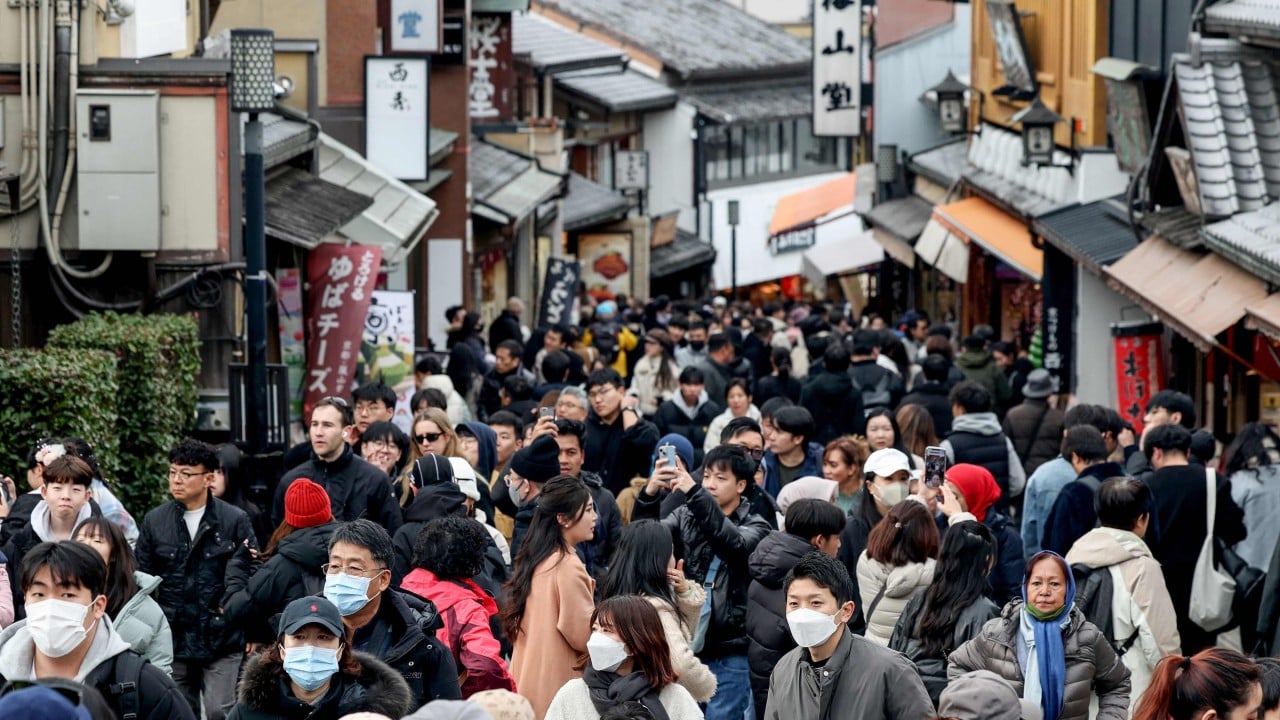
Five years ago, Sarah and her husband were optimistic about Japan’s economic future and were expanding their small businesses across several sectors.
Today, that optimism has been replaced by concern over a sense of hostility towards two hard-working foreigners who feel they have contributed to the society that they have worked hard to fit into.
New regulations that took effect on Thursday mean the two Britons, who have been in Japan for more than 10 years, now face significantly higher costs for visa extensions. The cost of a business manager’s visa – until recently their long-term plan – has jumped from 5 million yen (US$31,666) to 30 million yen.
The permanent residency fee similarly leapt 20 times to 200,000 yen, while additional barriers include an annual income of 5.75 million yen, or above the Japanese average, much higher pension contributions and Japanese language requirements.
Combined with rising prices and the continued weakness of the yen, Sarah and her husband are now bringing forward their plans to leave Japan.
“We have always had a dream of setting up a godo kaisha [the Japanese equivalent of a limited liability company], but these changes mean that it is out of reach now,” said Sarah, who did not give her real name out of concern about possible complications during her next visit to the immigration office.
“To operate our business as a godo kaisha, we would need either permanent residency or a business manager visa, and the new regulations make either of those hard to get,” she said.
“We always thought we would be in Japan for as long as we were enjoying life and earning a living, but things have changed in the last 18 months or so,” she said. “Now, we’re beginning to ask ourselves whether it is time to go.”

Those were common sentiments in the foreign community of small business owners in Tokyo, she said, with social media awash with people looking for employment outside Japan or announcing their departures from the country.
According to the Nikkei business daily, 953 foreign nationals living in Japan who previously held business manager visas had left the country in the first half of this year, almost four times as many as in the same period a year earlier.
Similarly, applications for business manager visas plunged 96 per cent in the five months after the changes were announced, with the high capital requirement of 30 million yen the biggest hurdle for most small foreign companies.
Prime Minister Sanae Takaichi previously said tackling the growing number of foreign residents of Japan was a key issue in her manifesto ahead of the February general election, which her ruling Liberal Democratic Party (LDP) won by a landslide.
Several other right-wing parties – notably Sanseito and The Conservative Party – were perceived to be taking votes away from the LDP on the immigration issue in the months before the vote, prompting Takaichi to adopt a firmer stance.
In a social media post just days before the new visa rules took effect, Takaichi justified the changes, saying she was aware of concerns and feelings of “unfairness”. “To address these concerns, [the government] is working to ensure that its policies towards foreign nationals are orderly and that both Japanese citizens and foreign residents can live safely and securely,” she wrote.
For the government, the changes are aimed at clear benefits: limiting the number of foreigners who choose to settle in Japan permanently, winning the support of voters and bringing in new funds for the government. Officials have claimed the visa cost increases are necessary because previous figures were too low and well below other comparable countries.
Permanent residency now costs 200,000 yen (US$1,269) in Japan, compared with the UK’s Indefinite Leave to Remain fee at £3,226 (US$4,261), Australia’s Skilled Independent permanent visa at A$6,135 (US$4,255) and a US green card at US$1,440.

Not everyone is enamoured with the new policies, however, with the Mainichi Shimbun declaring in an editorial last month that the revised laws “disregard human rights and should be withdrawn”.
Others point out that it is a foolhardy move given Japan’s tumbling birth rate, an ageing population and chronic shortages of workers across virtually every business sector.
Much has been made of foreigners driving municipal buses and taxis and working in 24-hour stores, hospitals and other jobs that few Japanese want to take. With higher hurdles and lower earning power due to the weak yen, foreigners will inevitably start to look elsewhere, according to analysts.
“There is a lot of frustration among small business operators and managers, people who have come to Japan to build a business but now face far higher capital requirements and are leaving,” said Martin Schulz, chief policy economist for Fujitsu’s Global Market Intelligence Unit.
“Large Japanese companies are looking for skilled managers, engineers and others to come here to support their operations, but it is very bad signalling when the restraints go up,” he said. “It was already difficult to find these people because the yen is weak and wages are low in comparison with other countries, and firms are going to struggle even more to attract talent.”
Some foreign owners of firms in the service sector say they have seen the pressure being ramped up in recent years.
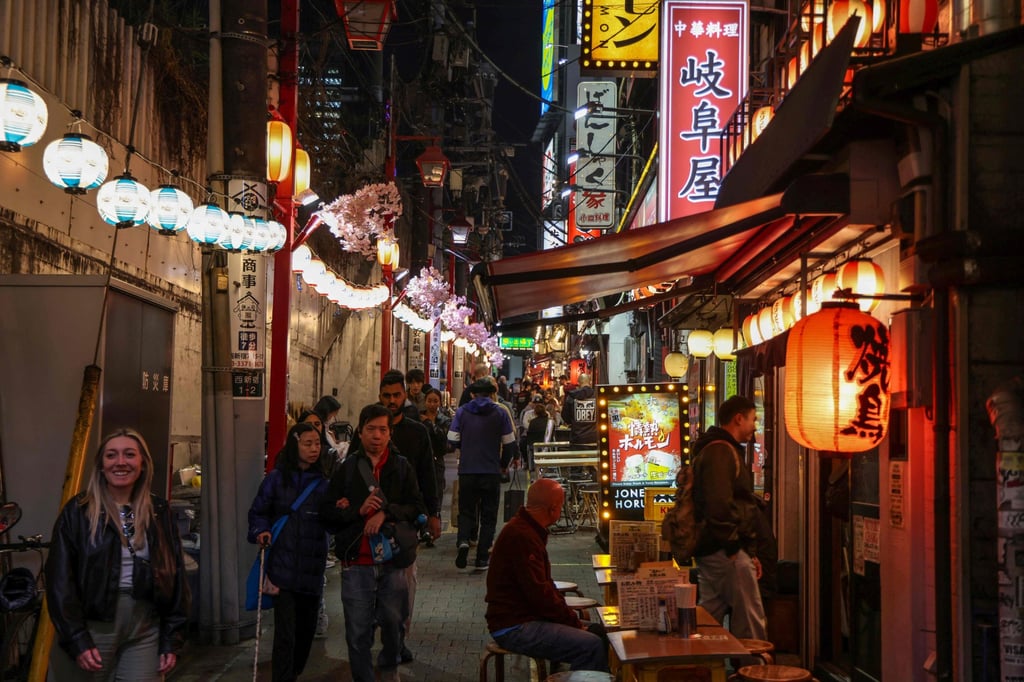
“I’ve been in this business for 40 years, and we never had any issues over our staff for the first 30 of those years,” said Andy Lunt, owner of the Shin-Hinomoto izakaya bar in Tokyo’s Yurakucho district. “But we have been raided twice, and they took away two of my employees.”
The restaurant employs part-time staff on student visas, which set a maximum limit on hours they can work to support themselves.
While enforcement personnel would typically glance at the relevant papers in the past, Lunt said he was not taking any more chances now.
“They are checking up on people’s papers a lot more, and the message I’m hearing is that Japan is not going to tolerate this any more.”
KioskNews shows a cleaned-up reading view extracted from the publisher’s page — the original always lives on their site, not ours.