US search for missing airmen in China gains new attention after Xi-Trump summit
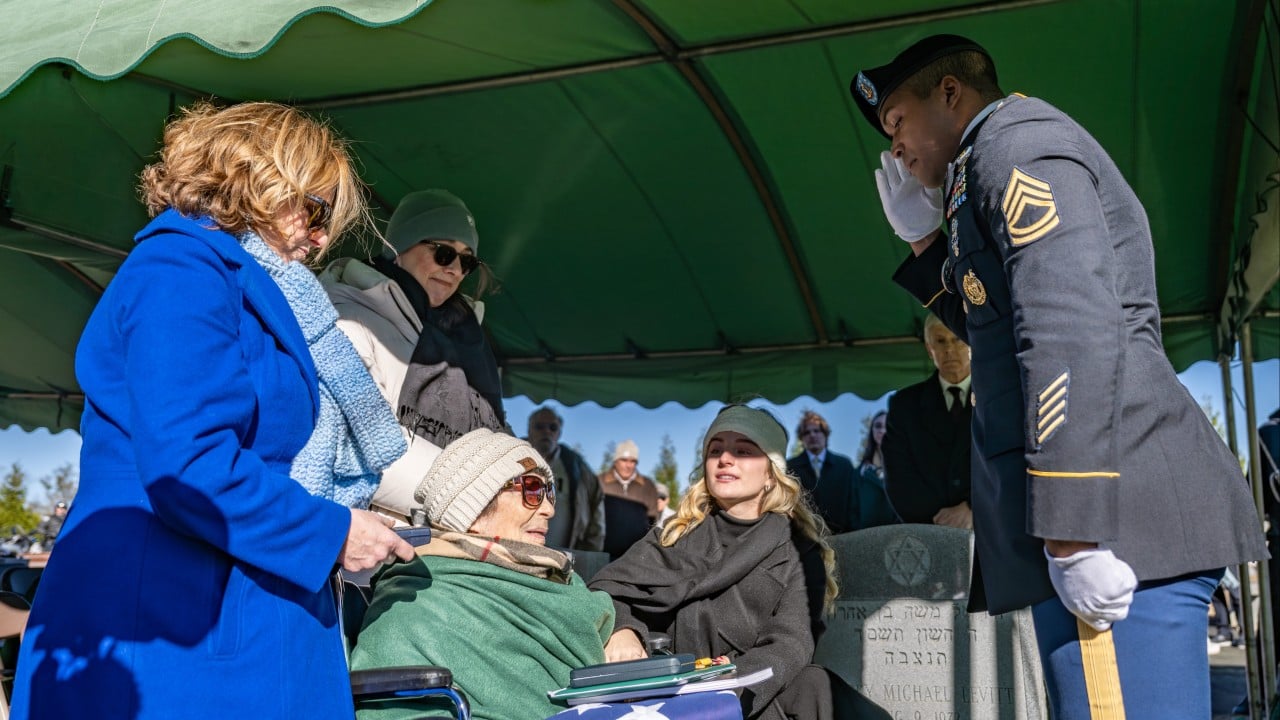
For more than eight decades, the remains of US fighter pilot Morton Sher lay unrecovered in China. A photograph of a memorial to him in a Hunan village eventually helped investigators find where his plane crashed in 1943.
Sher was buried in his hometown of Greenville, South Carolina, in December 2025, a homecoming that offers a rare example of what US-China cooperation can achieve for families of missing servicemen.
That cooperation has now drawn fresh attention. After the recent summit between Chinese President Xi Jinping and US President Donald Trump, Beijing said that the two militaries had agreed to continue cooperating in the search for the remains of missing US servicemen in China.
The account also said the militaries would seek to conclude a separate memorandum on military crisis communication and prevention “as soon as possible”, but it did not specify new recovery missions or arrangements for access to sites and records.
For American investigators, cooperation means permission to search crash sites and access to wartime records that could show where to look.
“All of our work starts with a historical study aspect,” said John Figuerres, a senior operations officer at the Defense POW/MIA Accounting Agency (DPAA). Records of battles, aircraft crashes and possible prisoners of war help investigators decide where to dig, and access to Chinese archives could help historians establish what happened to missing Americans.
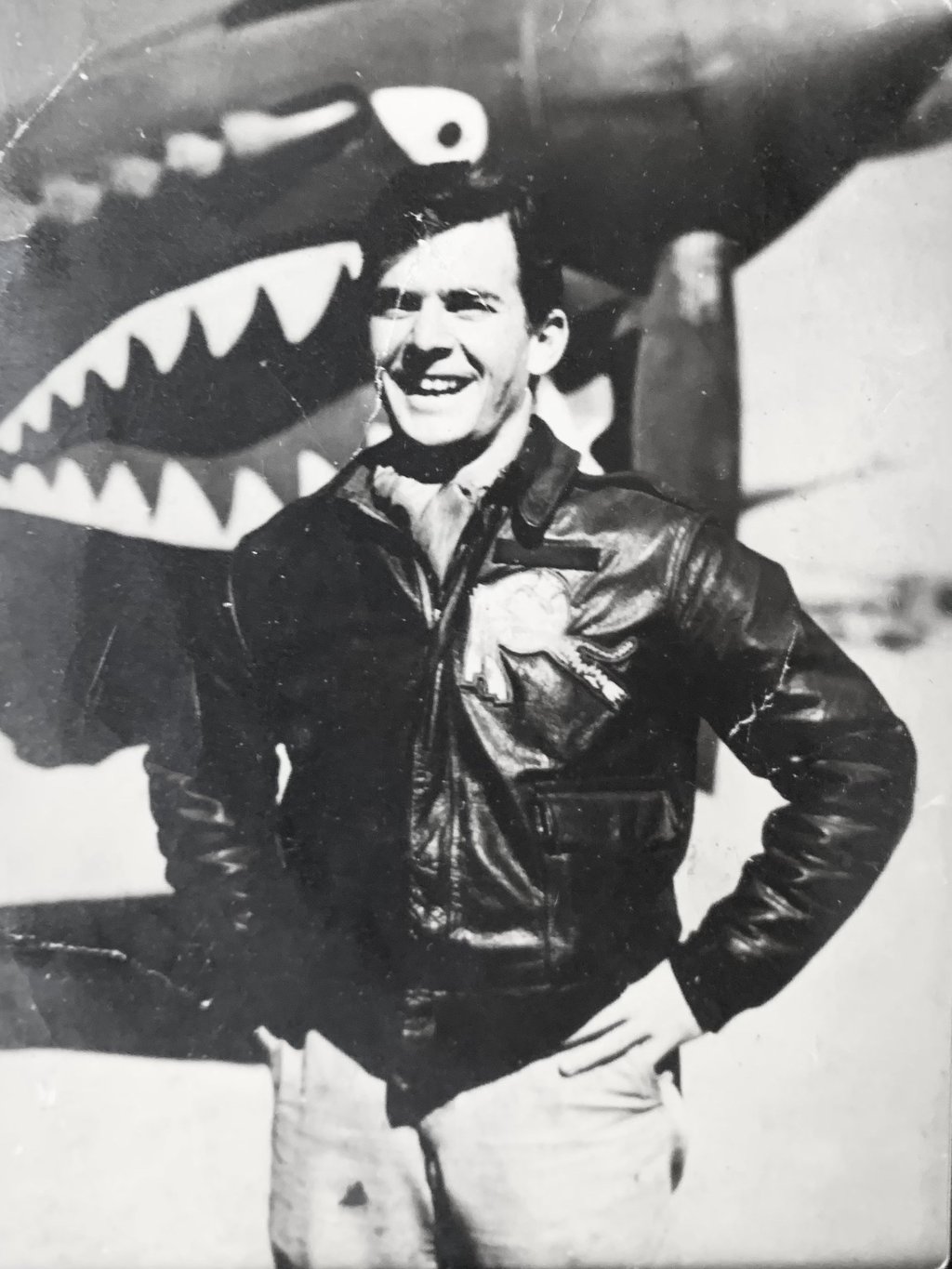
“Both getting to sites and that exchange of information are important things with China,” Figuerres said.
China occupies a distinctive place in the agency’s work: it is the only country where DPAA has missing Americans associated with four conflicts, namely World War II, the Korean war, the Vietnam war and the Cold War. DPAA said just over 700 US personnel are missing in China across the four.
The work was already under way before the summit. Since 2024, DPAA has conducted two pre-deployment site surveys, three investigation missions and two recovery missions in China, the agency said.
This past August and September, two teams worked in southern China. A 12-member US recovery team excavated what is believed to be a World War II crash site and recovered possible human remains, while a nine-member investigative team surveyed multiple locations in Hunan and interviewed witnesses to prepare case proposals that could lead to future recovery missions. Officials from the People’s Liberation Army and provincial and local governments assisted both teams, DPAA said.
US and Chinese scientists are due to hold a joint forensic review of the recovered evidence later this month, the agency said.
DPAA periodically communicates with the PLA Archives to share information on unresolved cases involving both countries, the agency said. The two sides are developing an archival exchange for the 2027 US financial year, which began on October 1.
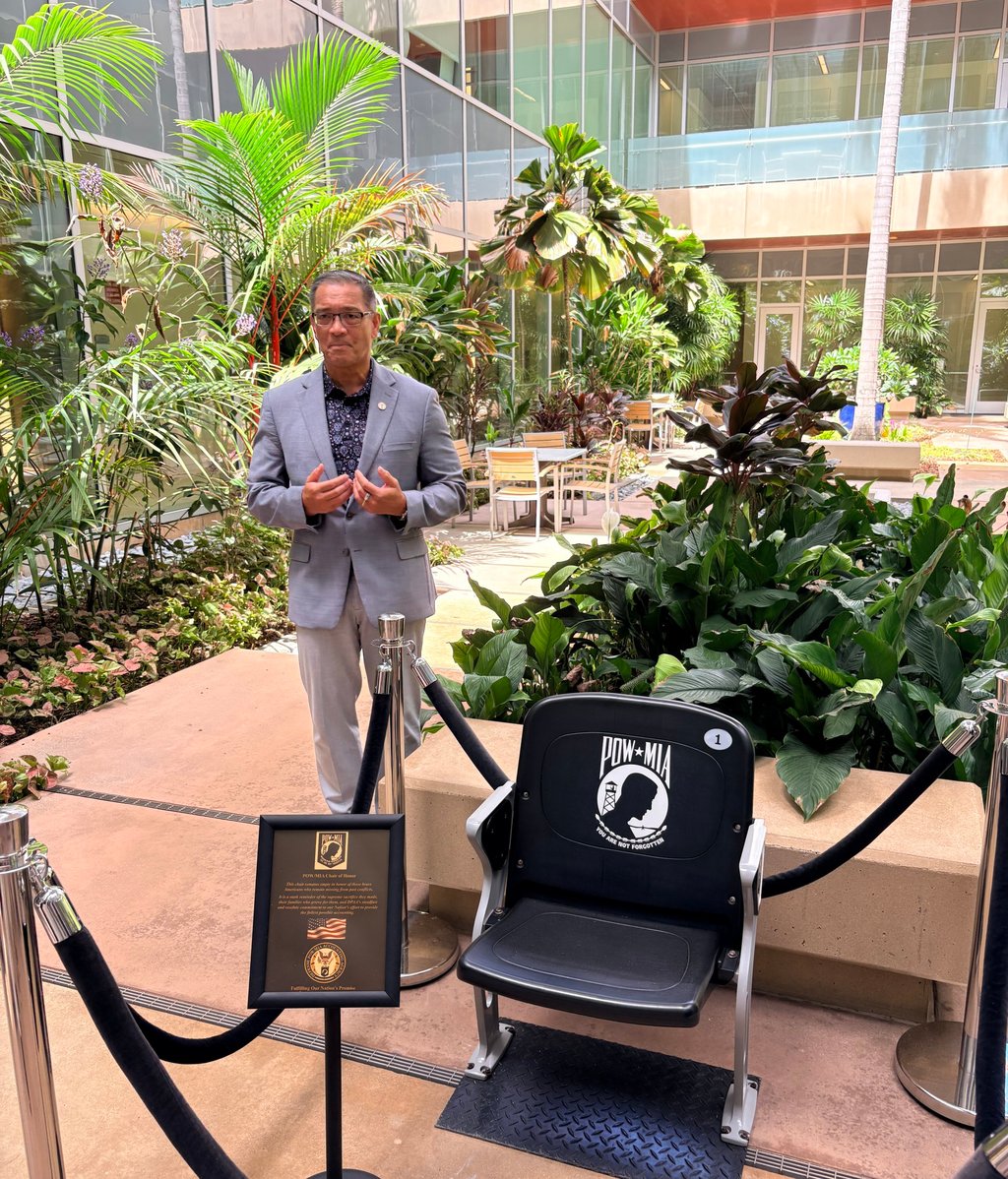
For the US military, the search extends a battlefield commitment across generations. Figuerres called it part of the “warrior ethos”, the end point of never leaving a fallen comrade behind, and a “sacred obligation” to families waiting at home.
SCMP Plus is a new premium news platform that gives you an
all-inclusive edge to stay ahead on China news.
To access our exclusive content you’ll need to subscribe.
Already a subscriber?
LOG IN
Sher’s case shows how such a search can unfold. He flew with the 23rd Fighter Group, which carried on the legacy of the Flying Tigers, the American volunteer pilots who fought for China against Japan. Sher himself had crashed in China before: engine damage forced him down near a Chinese village in October 1942, according to a US military account, and residents welcomed him with a feast and helped him return to base. The banquet, he told an Army newsletter, “turned out to be one of the biggest surprises of the trip”.
On August 20, 1943, the 22-year-old US Army Air Forces pilot was killed while intercepting a Japanese aircraft headed towards Hengyang. US forces located the crash site, but his remains were not recovered.
That changed in 2012, when a private citizen brought a photograph of the village memorial to the attention of the Joint POW/MIA Accounting Command, a predecessor of DPAA, prompting years of research. During the 2024 excavation, the team found possible human remains and equipment. Anthropological analysis, other evidence and DNA testing led to Sher’s identification in June 2025.
Such identifications are painstaking. At DPAA’s laboratory in Hawaii, which the agency describes as the world’s largest skeletal identification laboratory, scientists may begin with fragments that are difficult to distinguish from animal bone or debris.
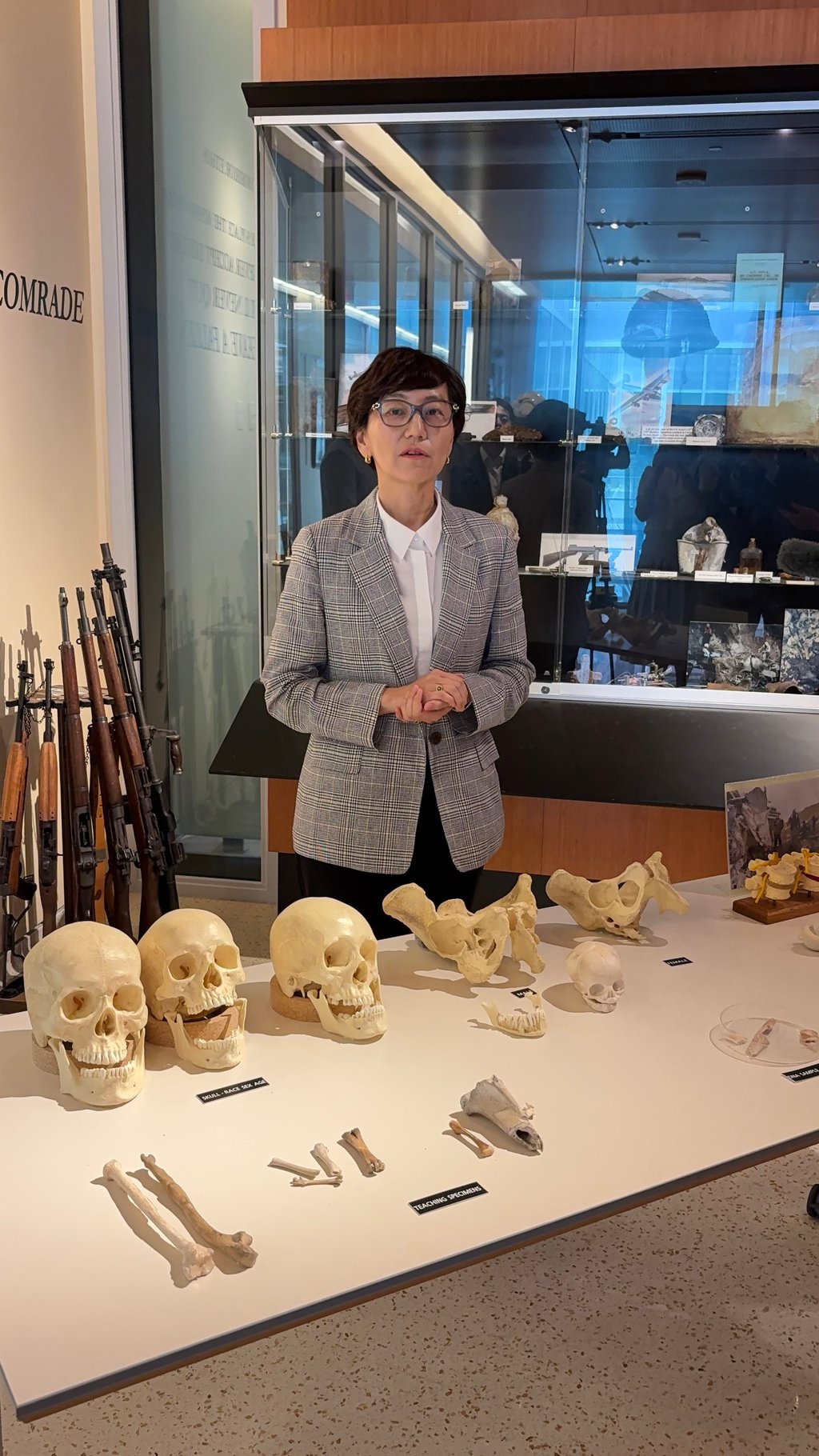
Dr Jennie Jin, a DPAA scientist, said anthropologists examine bones for clues such as age and healed injuries, then compare their findings with military files, dental records and DNA results. Anthropologists initially examine remains without knowing the case details, which helps guard against bias.
DNA can be a limited guide. Age and chemical treatment can damage it, Jin said, and a genetic match may narrow the search without establishing a single identity. She recalled a Korean war case in which DNA results narrowed the possibilities to five men. An anthropologist spotted two old fractures, and in one serviceman’s file, Jin found a letter from his mother describing injuries to her son’s forearm and lower back.
“Ooh, I found him,” Jin remembered thinking. The man was identified and buried beside his mother.
But the work starts long before the laboratory, in China’s villages, and it depends on people who remember where an aircraft came down. Figuerres said teams had met local residents who still remembered the US role in the second world war and had maintained tributes to fallen airmen. Jin, who investigated three World War II crash sites in China in 2017, recalled a memorial residents had assembled for American personnel. Her team found no leads at those sites, she said, but residents and Chinese counterparts were helpful.
Historians from the two countries are also beginning to meet regularly, Figuerres said, and building those relationships is an important part of gaining information that could help resolve cases.
For Sher’s family, the search ended with a funeral. DPAA said his sister, who is 93, received his remains. His nephew, Bruce Fine, said that right before his last mission the pilot had turned down an opportunity to return home as an instructor.
On August 19, 1943, Sher wrote to his parents about his decision to stay in China: “I let another pilot take that instructing job, for I find things too exciting here to leave right now.”
KioskNews shows a cleaned-up reading view extracted from the publisher’s page — the original always lives on their site, not ours.