Privacy watchdog called after estate proposal to use facial recognition for entry

Hong Kong’s privacy watchdog has launched a compliance check on the use of a proposed facial recognition system at a private housing estate with 8,000 households, after the measure raised privacy concerns among some residents.
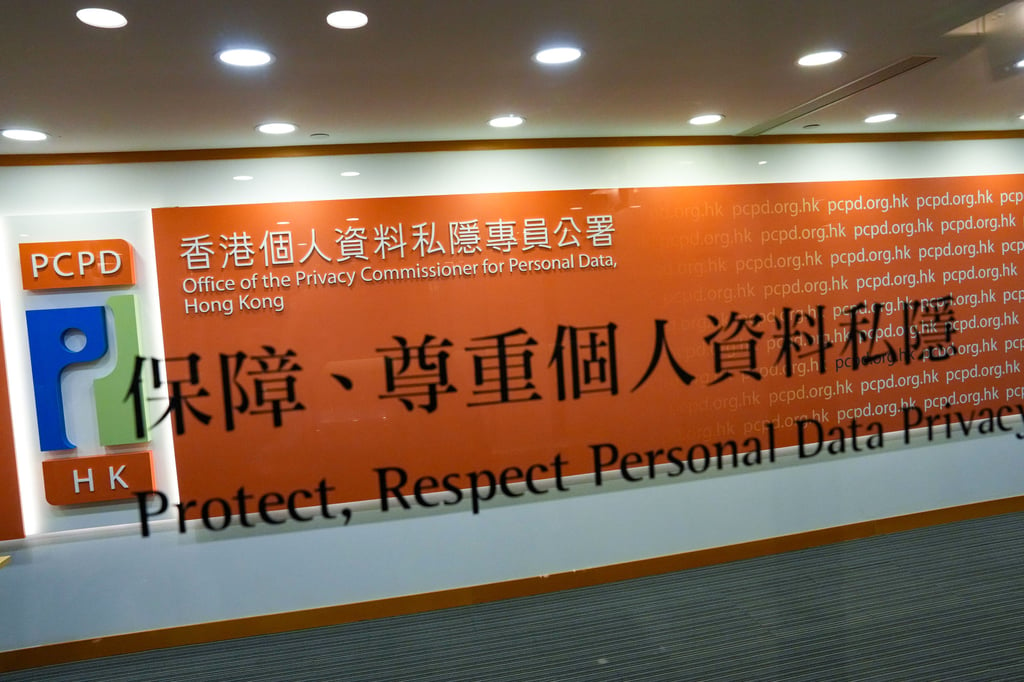
The Office of the Privacy Commissioner for Personal Data conducted its check on Friday after residents of Laguna City in Lam Tin raised concerns about the estate management company’s planned roll-out of the technology for entry to the premises.
“Given that facial images constitute sensitive personal data and there may be over 8,000 households involved, the Office of the Privacy Commissioner for Personal Data proactively commenced a compliance check on the relevant system to ensure that the personal data of the residents concerned is adequately protected,” the watchdog said.
Developed by Cheung Kong Holdings, Hutchison Whampoa and Shell in the 1990s, Laguna City is one of the city’s largest housing estates. Cheung Kong and Hutchison were later reorganised, with their non-property businesses forming CK Hutchison Holdings and their property businesses spun off into Cheung Kong Property Holdings, later renamed CK Asset Holdings.
The housing estate is largely managed by Citybase Property Management, a unit under CK Asset.
The privacy commissioner said it requested further information from the management company to make sure that it complied with the Personal Data (Privacy) Ordinance and relevant data security practices for the collection, holding, processing or use of the relevant biometric data.
It added that residents who suspected that their personal data privacy had been compromised could inquire with the company or reach out to the watchdog.
A staff member of Laguna City’s management company, surnamed Yeung, told the South China Morning Post that the new measure was intended to give residents more options to enter the estate securely.
“The residents can choose to enter the estate via facial recognition or by tapping their resident card. They may reject using this identification,” she said.
It is uncommon for private housing estates in Hong Kong to deploy facial recognition technology for residents to enter their premises. A contactless Octopus card is more widely used.
Yeung acknowledged that some residents disliked the arrangement, stressing that those who did not want to use facial recognition could contact the management company.
But one resident who asked to remain anonymous said she did not have many privacy concerns, adding that the measure would be convenient.
“My husband [also] agrees with this approach as nowadays people don’t carry their identification [cards] around,” she said.
Earlier this month, police said they would soon roll out artificial intelligence-enabled smart surveillance such as facial recognition in some public housing estates as part of law enforcement trials.
KioskNews shows a cleaned-up reading view extracted from the publisher’s page — the original always lives on their site, not ours.