Family flavours: How Pick A Pickle preserves the taste of home, from pickled ‘petai’ to ‘sambal ambra’
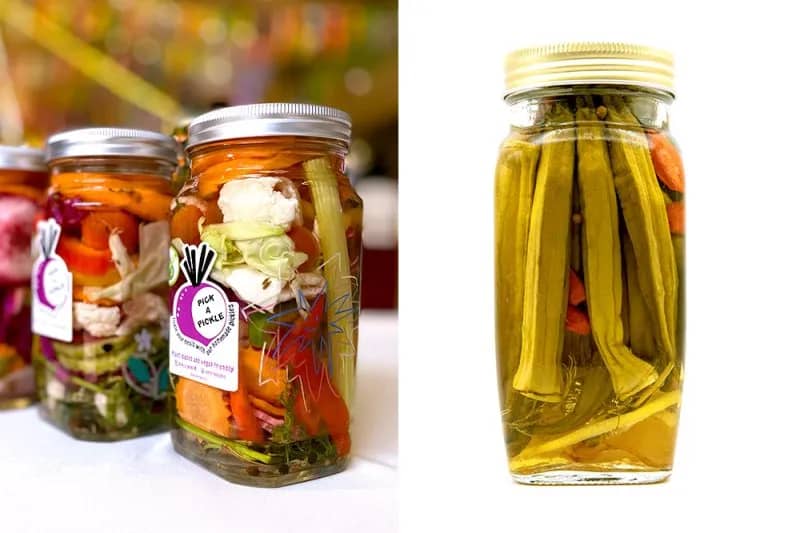
Pick A Pickle makes Malaysian-inspired pickles and ferments, including seasonal okra pickles — Pictures courtesy of Pick A Pickle
By Kenny Mah
KUALA LUMPUR, Nov 28 — You never know where you might find inspiration for your next product.
This is particularly true if you run a food business in Malaysia, where everyone is a foodie!
Audrie Yeo of Pick A Pickle, a local artisanal maker of Malaysian-inspired pickles and ferments, experienced this first hand while running a booth in 2023.
She shares, “A little girl named Elle passed by with her mum.
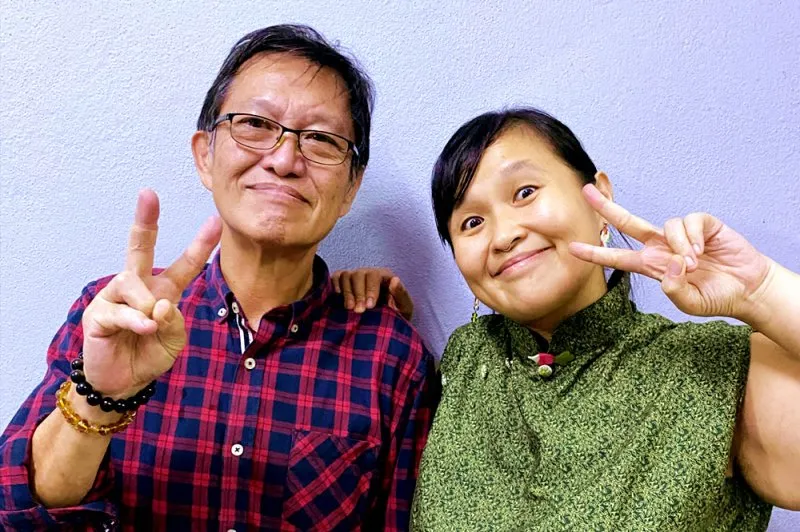
Pick A Pickle is run by Allan Yeo and his daughter Audrie — Picture courtesy of Pick A Pickle
A huge fan of pickles, Elle had been craving okra pickles, which she used to have at her grandmother’s place in the US.
They couldn’t find anyone here to make them, so we took up the challenge to R&D it for her.”
That little gesture of kindness turned into a popular product offering, one that was soon included in Pick A Pickle’s menu as part of their special seasonal range.
This openness runs in the family; Audrie runs Pick A Pickle with her father Allan, who recalls growing up helping his mother in the kitchen at a very young age.
He says, “My parents ran a sundry shop in Pekan Lama, Pahang.
Whatever unsold vegetables were either sun-dried or pickled.
Being Teochew, making pickles and sauces is a tradition.”
Some of Pick A Pickle’s current pickles — such as ginger, kedondong and papaya — still retain the same method Allan picked up from his mother.
He adds, “Pickled kedondong with asam boi is a disappearing trend which I am trying to preserve.”
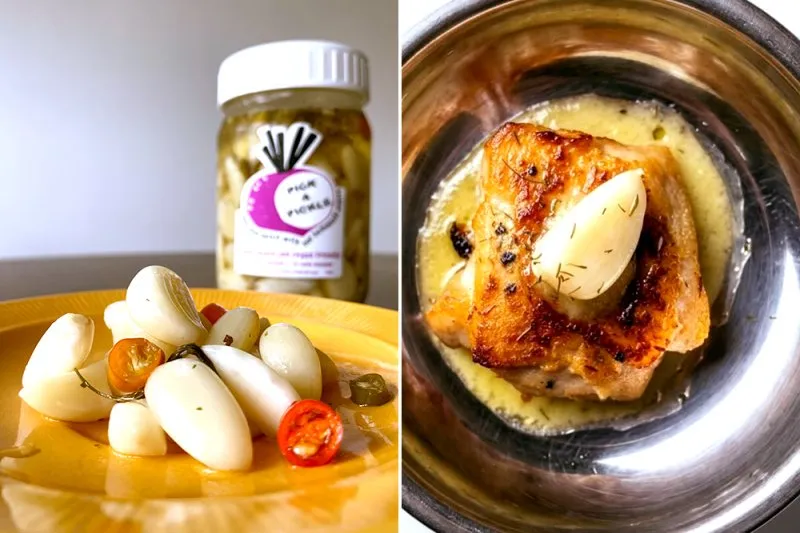
Their bestselling pickled garlic — Pictures courtesy of Pick A Pickle
The community and food culture in Pekan, Audrie says, often influenced each other naturally: “Our celebrations and CNY open houses were always a mix of Malay East Coast cuisine and Chinese Teochew dishes, including nasi dagang, laksa Pahang and laksam.”
This meant the Yeo family often had their own unique take on local dishes; their version of papaya soup uses anchovies, asam keping and chilli.
She explains, “It’s a bit like singgang, except no fish.”
(Singgang is a traditional, clear soup that is made without santan or oil.
Tangy and savoury in equal measure, singgang is a staple in Kelantan and Terengganu.)
That familiarity with fermented food meant they had something ready to go with every meal throughout the day.
Audrie says, “We always have a jar of pickled radish in the fridge and fried salted radish on the pantry shelf.
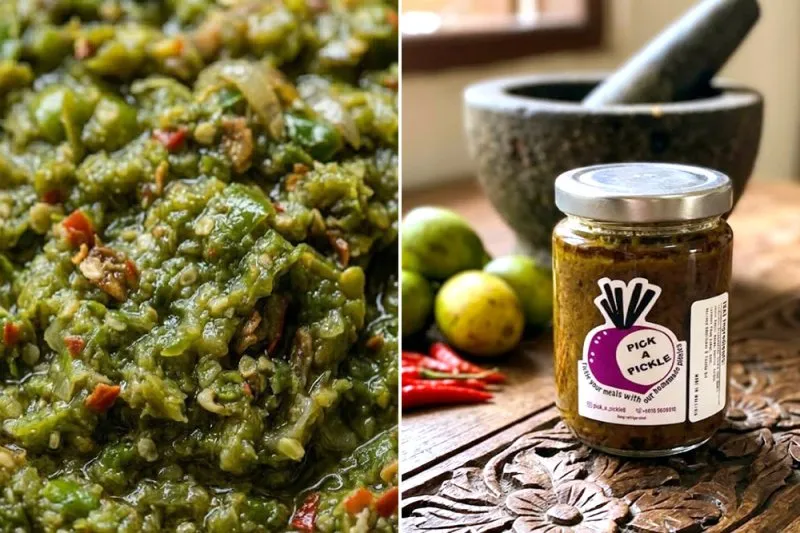
Allan says their ‘sambal ambra’ made with ‘kedondong’ is a must try — Pictures courtesy of Pick A Pickle
I would eat the pickles with nasi goreng or fried egg sandwiches, and the fried salted radish with white rice, biscuits and bread.”
The pickles and fermented vegetables were so good, she remembers that “we would even eat them out of the jar!”
So this was a family that loved homemade pickles and ferments, but how did that become a family business?
Allan, who was a former Industrial Health Assistant in the oil and gas industry, had retired at 65, during the peak of the Covid-19 pandemic.
He shares, “When the MCO was lifted, I decided to venture into the food and beverage industry to fulfil my childhood dream.
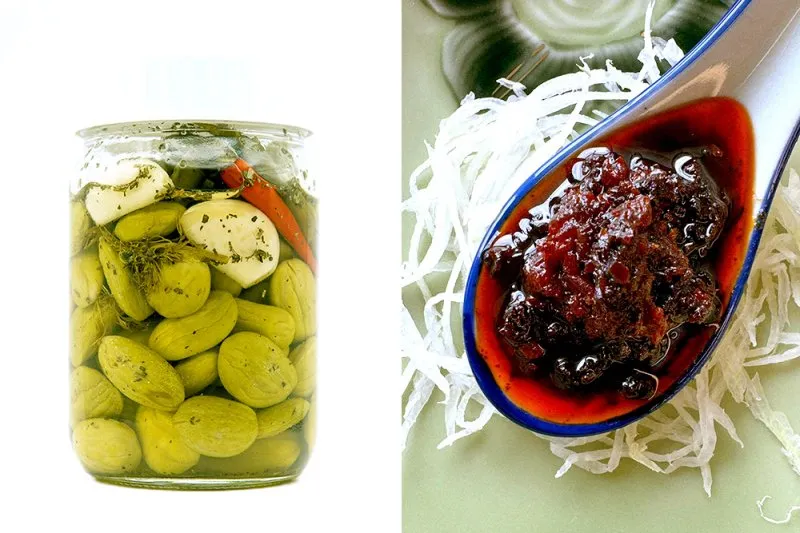
We might find Malaysian pickled ‘petai’ and spicy fried salted radish overseas some day — Pictures courtesy of Pick A Pickle
My plan was to operate a food stall, but with encouragement from family and friends, I started Pick A Pickle in 2022.”
Audrie, who was previously in the film industry, was the one who objected to the food stall idea — “it would be extremely tiring and the risk of food wastage was high” — and instead suggested making pickles as “they had a longer shelf life, could be made in batches, and would allow my dad to enjoy his retirement.”
Serendipitously, a friend offered them a booth at a pop-up market to sell their pickles.
Audrie shares, “I worried nobody would buy them, but we sold out our fried salted radish in just a couple of hours!”
Soon the father-and-daughter duo started seeing more returning customers and market invitations.
Audrie says, “As the pickle business grew, I thought it only made sense for me to focus on it.
It felt like a breath of fresh air that I too needed.”
This is, perhaps, the sort of breath of fresh air that a slowly disappearing food culture needed too.
Beyond preserving fruits and veggies, Pick A Pickle is also preserving a very specific food heritage.
Audrie says, “We may start with the mindset of being Teochew, but after four years in the business, I see us preserving the essence of it while shaping our own Malaysian Chinese identity in terms of flavours.”
Which isn’t to say they are limited to Malaysian ingredients or restrained by traditional recipes.
Allan has introduced “Western, Asian and local herbs and spices to create new fusion flavours.
Pickled garlic, petai and OG radish are paired with Western herbs.
Garlic is our bestseller.”
He recalls the foods he tasted when he was serving as a Medical Assistant in Central Pahang’s Jerantut district: “Sambal hitam fascinated me while sambal ambra made with kedondong is another vegan sambal one must try.”
But some flavours belong to home, crafted by generations of his family.
Allan says, “The fried salted radish is a cherished recipe passed down by my grandfather to my mother and then to me.
I am now passing it to my kids.”
His family, clearly, are his first fans and adopters.
Audrie says, “My personal favourites have to be the pickled bitter gourd and the sambal ambra.”
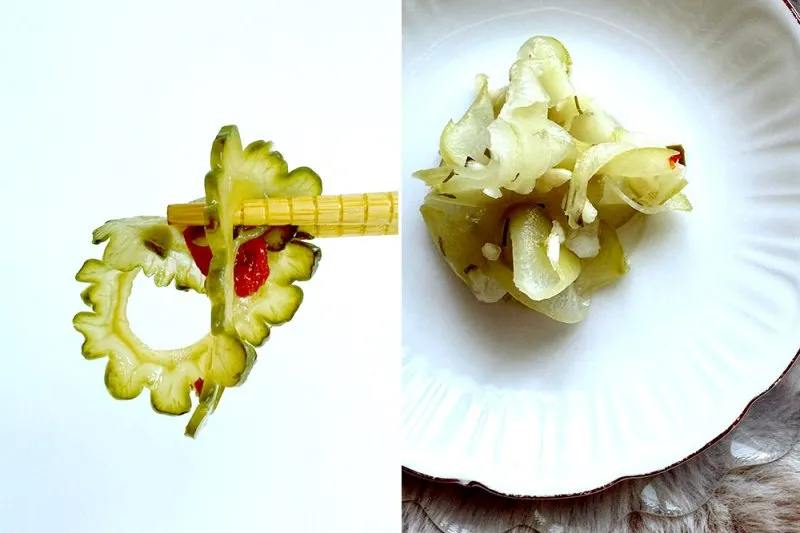
Pickled bitter gourd (left) and Mat Chayote (right) — Pictures courtesy of Pick A Pickle
It’s not just nostalgia; Allan observes that Pick A Pickles stands out from other pickle brands in the market as all their pickles “contain very low salt, which also brings out the original flavours of the herbs and spices.”
Some products are inspired by local dishes; their Mat Chayote, or pickled chayote squash (known locally as labu siam), is infused with turmeric leaves to pay homage to everyone’s favourite rendang.
Customer feedback is crucial to product development too; special requests from regulars mean customising small batches, which in turn have inspired now bestsellers such as their Fiery Fried Radish.
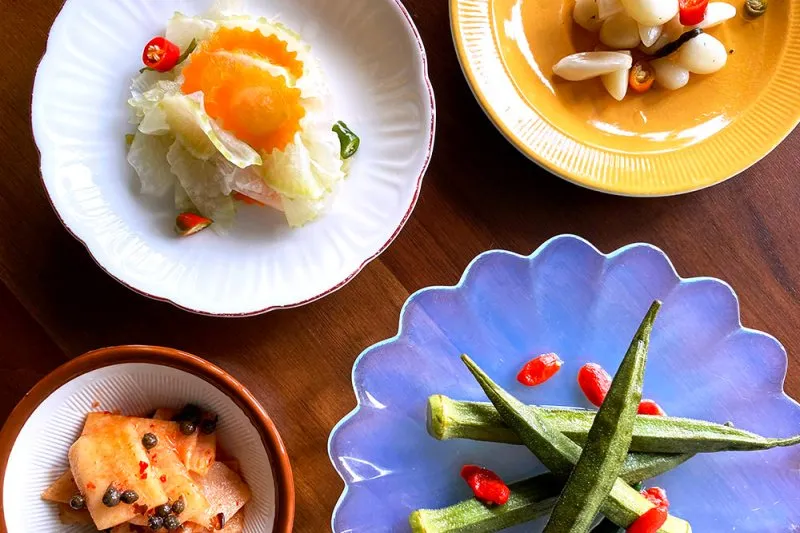
Allan says their pickles ‘contain very low salt, which also brings out the original flavours of the herbs and spices’ — Picture courtesy of Pick A Pickle
Changes are inevitable as their business continues to grow and scale.
Allan says, “I started this business as a retirement pastime from home.
Two years down the road, we had to move to a bigger space.
Now, after another two years, we are considering a bigger commercial lot.”
He notes that they invested in machinery to speed up production but strive to maintain the handmade touch: “Every ingredient is weighed exactly to ensure quality and taste.”
Audrie adds, “In three to five years, we want to have our own proper manufacturing facilities, with our product range becoming a household name.
We aim to be more readily available on grocers’ shelves nationwide and, by then, already exporting our products globally.”
Now that’s something to look forward to: Malaysian pickled petai and spicy fried salted radish in a grocery store in Tokyo, Taipei and Toronto some day.
Pick A Pickle
IG: https://www.instagram.com/pick_a_pickle8/
FB: https://www.facebook.com/PickAPickle8/
For more food fables and café chronicles, visit Life for Beginners.
KioskNews shows a cleaned-up reading view extracted from the publisher’s page — the original always lives on their site, not ours.