Two books to read: A family shaped by Partition, a girl who disappeared
Welcome to Quick Verdict, a fortnightly column where every book gets a hit or miss.
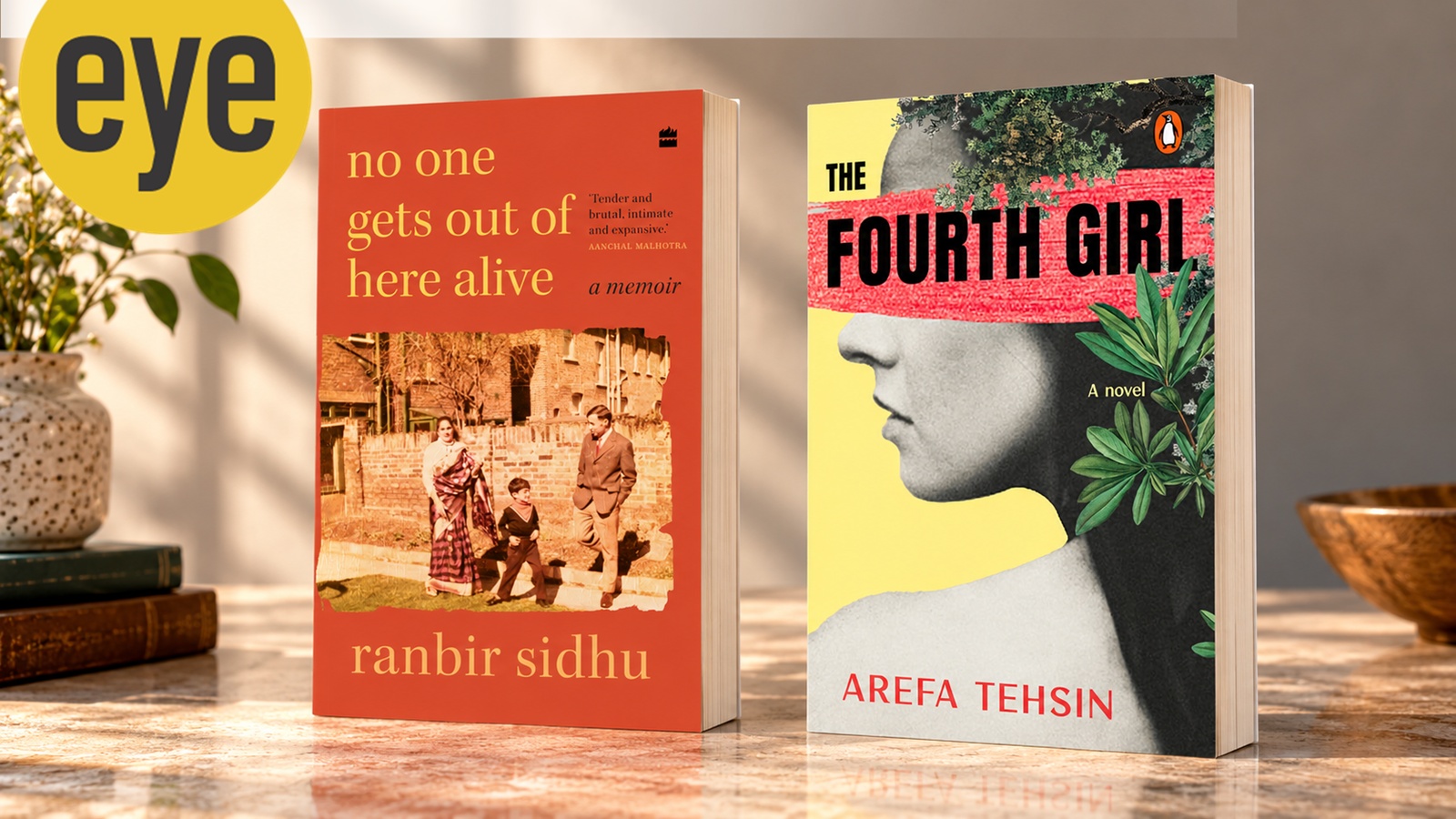
This week: How Ranbir Sidhu’s No One Gets Out Of Here Alive uses his parents’ deaths to ask who they might have been without Partition, and how Arefa Tehsin’s The Fourth Girl turns a decades-old disappearance into a feminist mystery spanning India and Sri Lanka.
Ranbir Sidhu’s No One Gets Out Of Here Alive
Verdict: HIT
Ranbir Sidhu’s No One Gets Out Of Here Alive is a Partition memoir that discusses the death and grief that followed it. The book opens with the death of Sidhu’s father, and then goes back in time to nine months earlier, when his mother died. In their deaths, he looks back at their lives and tries to understand who they were beyond being his parents, and who they might have been had Partition not happened.
Blending elements of essay, travelogue and history, Sidhu traces the geographical space of Punjab, where his parents were born and died, against its history of violence and its demand for a masculinity that deformed the lives of both women and men.
In capturing beautifully the subtle nuances of the parent-child relationship, Sidhu makes the memoir an engrossing and poignant read for anyone interested in decoding the complexities of intergenerational relationships and everything that affects them.
(Reviewed by Anusree K C)
Arefa Tehsin’s The Fourth Girl
Verdict: HIT
Arefa Tehsin’s The Fourth Girl is a feminist mystery thriller telling the story of three women with varied backgrounds: Bhairavi, a Dalit who converted to Christianity; Qailah, a Muslim; and Rajvi, a Rajput. The fourth girl joins their yearly trip to the fictional Sumer forest unexpectedly, and then disappears. The incident changes the course of their lives. Twenty years later, the three meet at the funeral of a famous journalist in Sri Lanka, with another journalist digging up the death.
Story continues below this ad
Tehsin, who has published over 20 novels, grew up in Udaipur, the novel’s base setting. She now shuttles between India and Sri Lanka, introducing the other setting of the novel: Colombo. The author doesn’t shy away from depicting the ingrained patriarchy, the systemic colourism, casteism and classism of Indian society, but it is her writing that makes the third-person narrative feel like a first-person one. Every time you think you know something, a new question pops up in your head, and you can’t help but turn the page. The Fourth Girl is definitely a relevant read in this day and age.
KioskNews shows a cleaned-up reading view extracted from the publisher’s page — the original always lives on their site, not ours.