Will the College Football Playoff selection committee's new rules make their rankings better?
There's no question that the College Football Playoff selection committee has a difficult job. And one where it's virtually impossible to please all interested parties.
In the current format, just 12 college football teams reach the playoffs, which has become the ultimate sign of success or failure for a program's season. Coaching changes are decided based on playoff appearances. Conference bragging rights, both in the public discourse and in deliberations, are determined based on playoff appearances.
This page may contain affiliate links to legal sports betting partners. If you sign up or place a wager, FOX News may be compensated. This content was created by a team that works independently from the FOX newsroom.
Given the competing priorities at play, there's little chance of keeping everyone happy. There will always be a 13th best team in the country. Or a Power 4 school that feels like they missed out to allow a Group of 6 school to reach the tournament. Conferences will advocate for more of their member teams to be included. Group of 6 schools will argue that they deserve to be included after a good season, even if their schedules can't match up to top teams.
FLORIDA GATORS, MISSISSIPPI STATE SOAR, USC TUMBLES IN LATEST INEXPLICABLE AP TOP 25 POLL
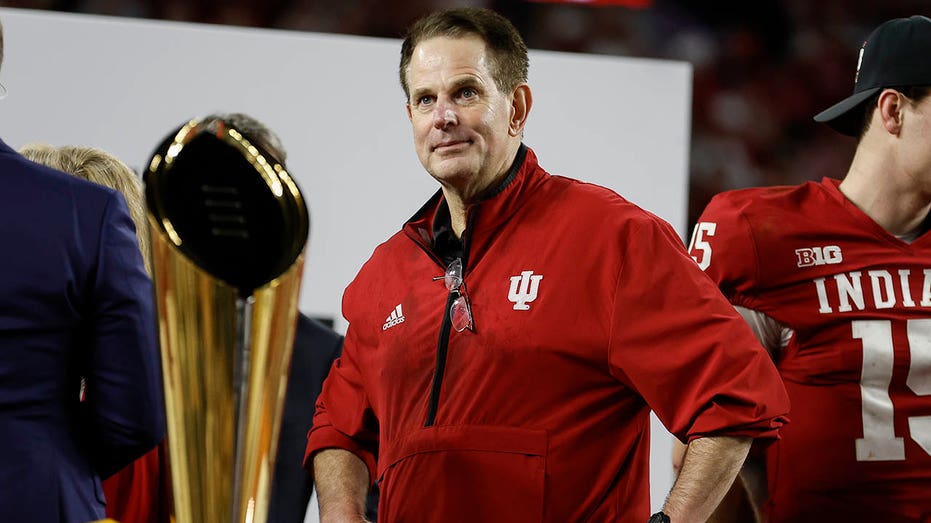
Indiana Hoosiers head coach Curt Cignetti looks on after the Indiana Hoosiers versus the Miami Hurricanes College Football Playoff National Championship Game Presented by AT&T on January 19, 2026, at Hard Rock Stadium in Miami Gardens, Fla. (David Rosenblum/Icon Sportswire via Getty Images)
It's a guarantee that their choices will lead to disagreement, debate, and some level of unhappiness. Especially because the rankings are based on human evaluation, and humans make mistakes, are biased, or have their own individual priorities and valuations.
Which is what makes the opacity of the committee's process and evaluation tools so frustrating.
For years, committee members have spoken about how they incorporate strength of schedule and resume into their deliberations and their top 25 poll. But there's little transparency as to how they determine the strength of schedule and resume. It's nice to say it, it's another to show your work. Are they creating their own metrics based on wins and losses against, say, AP ranked teams? Or is it just eye test? Or do they use more advanced, computer-driven analytics? Who knows?
Well, the committee revealed recently that they're now adding another metric to help inform their discussions: strength of conference. Oh good, more metrics with little transparency that will lead to more debate and disagreement.
CLICK HERE FOR MORE OUTKICK SPORTS COVERAGE
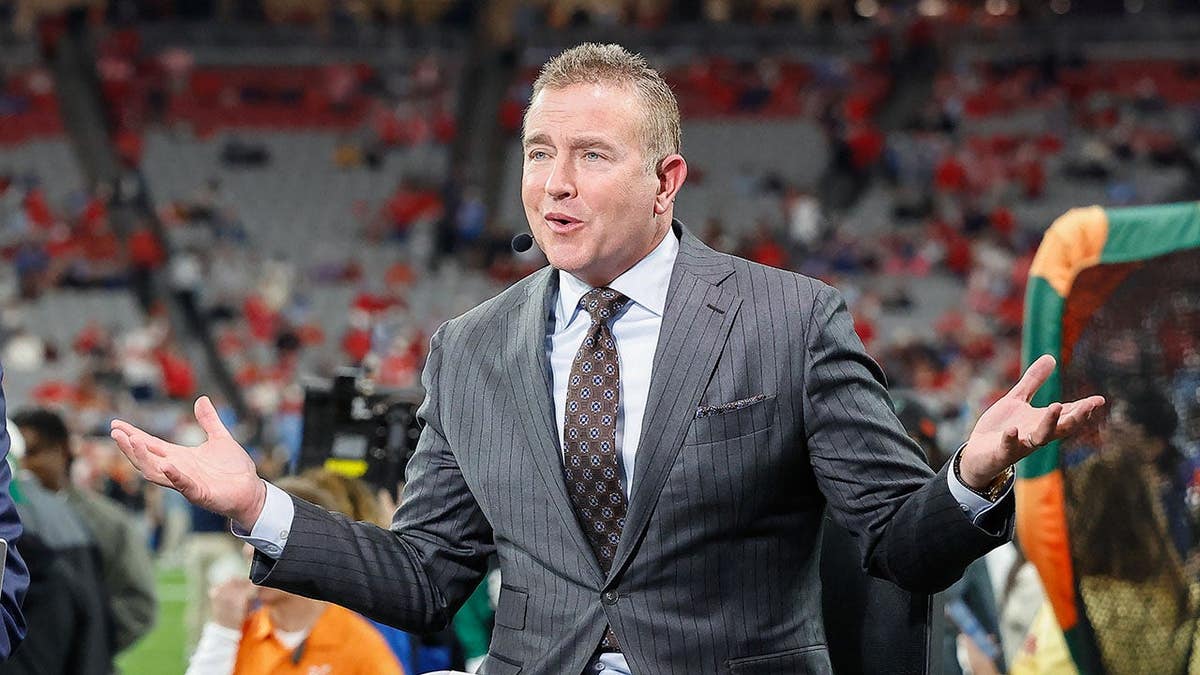
College GameDay commentator Kirk Herbstreit speaks before the Miami Hurricanes versus Ole Miss Rebels College Football Playoff semifinal at the VRBO Fiesta Bowl on Jan. 8, 2026, at State Farm Stadium in Glendale, Ariz. (Icon Sportswire via Getty Images)
Heather Dinich from ESPN reported that the committee would now incorporate this new metric to help separate teams within the league.
"The CFP selection committee will incorporate another data point in late November that helps determine the strength of each conference based on the schedule strength of each team in its league,' she posted on X. "It will help separate teams in the SAME LEAGUE with similar records based on the strength of their conference opponents. (Ex: PSU doesn’t play Oregon, Ohio State or IU) It will also help separate teams with comparable records in different conferences based on how tough their league opponents were."
THE CRAIG CARTON SHOW–UNFILTERED, UNAPOLOGETIC AND UNMISSABLE. DOWNLOAD HIS DAILY PODCAST NOW!
Sure. Sounds reasonable enough. But what's it based on?
How are they evaluating which teams have faced the "strongest" conference opponents? Win-loss record? AP Top 25 poll appearances? Random eye test? Computer analytics? How do they determine how to separate teams with comparable records in different conferences?
Again, the questions that the committee wants answers to, evaluating different schedules and conferences, are all valuable and important debates. The issue is that there's no transparency on how they're going to do it.
SIGN UP FOR THE DAILY OUTKICK NEWSLETTER
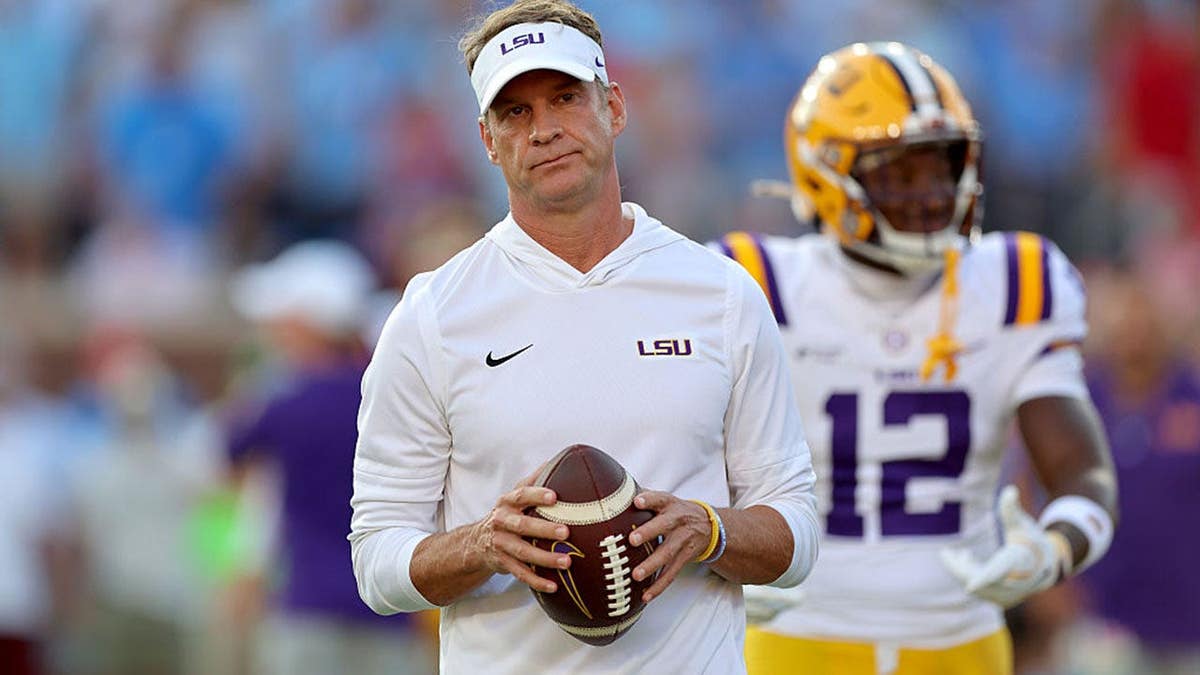
Head coach Lane Kiffin of the Louisiana State Tigers takes the field before a game against the Mississippi Rebels at Vaught-Hemingway Stadium in Oxford, Miss., on Sept. 19, 2026. (Getty Images)
Some fans look at wins and losses or head-to-head matchups. Some like to use "ranked wins" or ranked games, though those can often be misleading based on when those games happen. For example, Texas A&M counts as a ranked win for LSU, even though it's clear the Aggies are far from a top 25 team. Others like to use analytics-based systems that are more objective and less biased toward a specific school or conference.
OUTKICK IS NOW AVAILABLE ON THE FOX NEWS APP: CLICK HERE TO DOWNLOAD
That should be the preference; remove bias, evaluate teams objectively, combine metrics to find the "best" teams that fit the criteria and limit the amount of campaigning and importance of the typically awful AP Poll. That should be the goal. But will it be the outcome?
We'll find out in a few months. Then spend the months after arguing about it.
KioskNews shows a cleaned-up reading view extracted from the publisher’s page — the original always lives on their site, not ours.