Nobel laureate leads University of Hong Kong study to spot diseases early
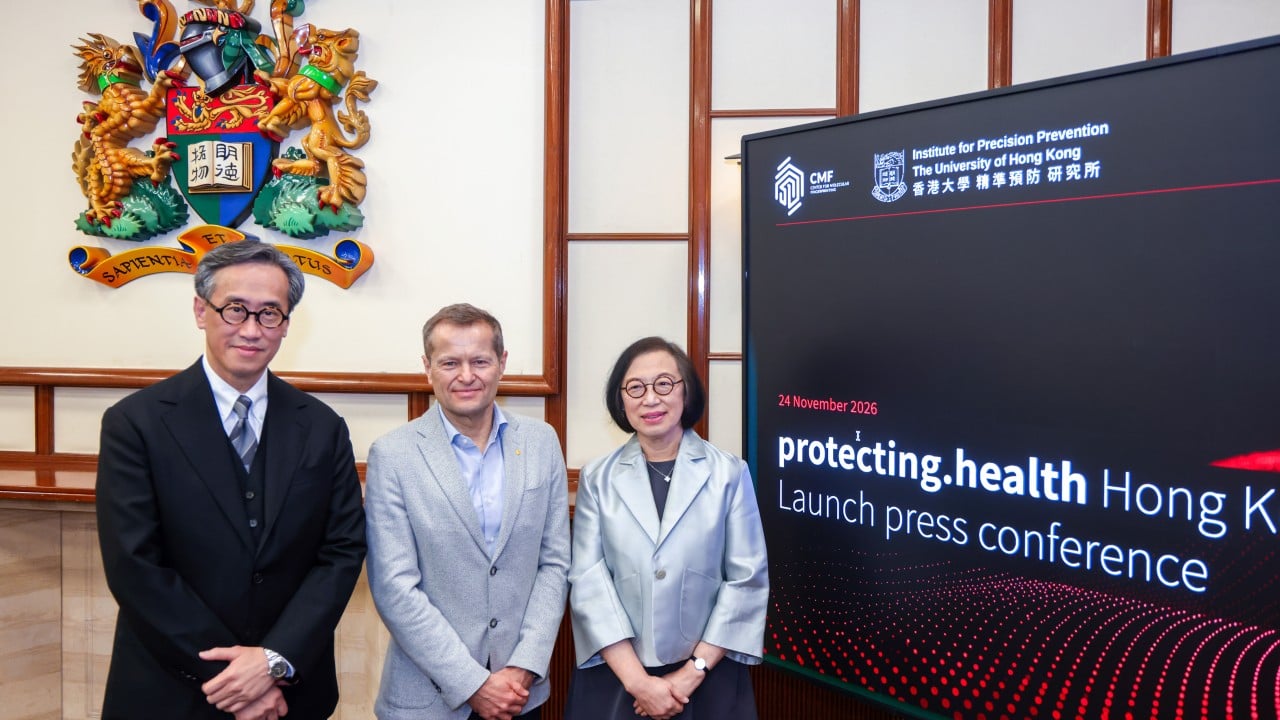
The University of Hong Kong (HKU) has launched a 20-year study tracking blood samples from 15,000 locals to build an affordable screening tool that spots cancer, diabetes, cardiovascular diseases and chronic respiratory illnesses before symptoms appear.
The “Protecting.Health Hong Kong” study, launched by HKU’s Institute of Precision Prevention on Tuesday, is led by its director Professor Ferenc Krausz, a 2023 Nobel laureate in physics who was recently recruited by the university.
The long-term study will enrol 15,000 people aged 40 to 70 in Hong Kong. It comprises a 10-year active follow-up period involving repeated clinical assessments and blood sample collection, followed by another 10 years of health data collection.
The study will establish each participant’s personal molecular baseline and integrate that data with clinical information to identify early molecular signatures associated with disease risks.
Researchers said the aim was to develop an affordable personalised health screening algorithm that could detect major non-communicable diseases before symptoms appeared, in line with the city’s efforts to strengthen primary care and shift healthcare towards prevention.
“We aim at a transformative shift in healthcare, shifting the focus of health management from treatment to prevention,” Krausz said.
He said 18 million people aged under 70 died of non-communicable diseases – including cancer, diabetes, and cardiovascular and chronic respiratory diseases – every year, with most of the deaths preventable.
Current screening methods typically detect diseases only after symptoms appear, with limited ability to predict who will develop a disease or when.
Growing evidence shows that molecular changes in blood can be detected years before a clinical diagnosis and are associated with the later development of chronic diseases, according to the researchers.
Each person maintains a relatively stable blood composition which reflects their unique physiology, and a deviation from that baseline is often a more sensitive indicator of emerging disease than comparison against population averages – a principle central to the study, they say.
The technologies to be used in the study include electric-field molecular fingerprinting, an ultra-fast laser-based technology developed by Krausz’s team that captures a holistic molecular fingerprint of plasma.
The study is recruiting healthy people aged 40 to 70 who either have no major cardiovascular risk factors such as those without high blood pressure, controlled cholesterol without medication, and are light or non-smokers, or have two or more cardiovascular risk factors. They should also be free of acute illness.
Participation is voluntary and free of charge.

Professor Sophia Chan Siu-chee, chief scientific adviser at the Institute of Precision Prevention and a key guide for the study, said the initiative aligned with the city’s efforts to enhance primary care and would help reduce the long-term healthcare burden.
“This study actually represents a very important step for Hong Kong in the field of personalised preventive medicine,” said Chan, a former secretary for food and health.
“If early molecular risk detection proves effective, it may help reduce the number of patients who progress to advanced diseases and enter secondary and tertiary care. This will largely save costs, and this will support also the sustainability of the healthcare system.”
The local study is part of a broader international initiative led by Krausz, which brings together the HKU institute with research partners in Hungary, Germany and Ghana.
Hong Kong’s participation is aimed at contributing an Asian perspective to ensure the screening algorithm will be applicable across different populations, according to the researchers.
KioskNews shows a cleaned-up reading view extracted from the publisher’s page — the original always lives on their site, not ours.