Delhi High Court changes rules for who gets ‘senior advocate’ tag, 100-point system out
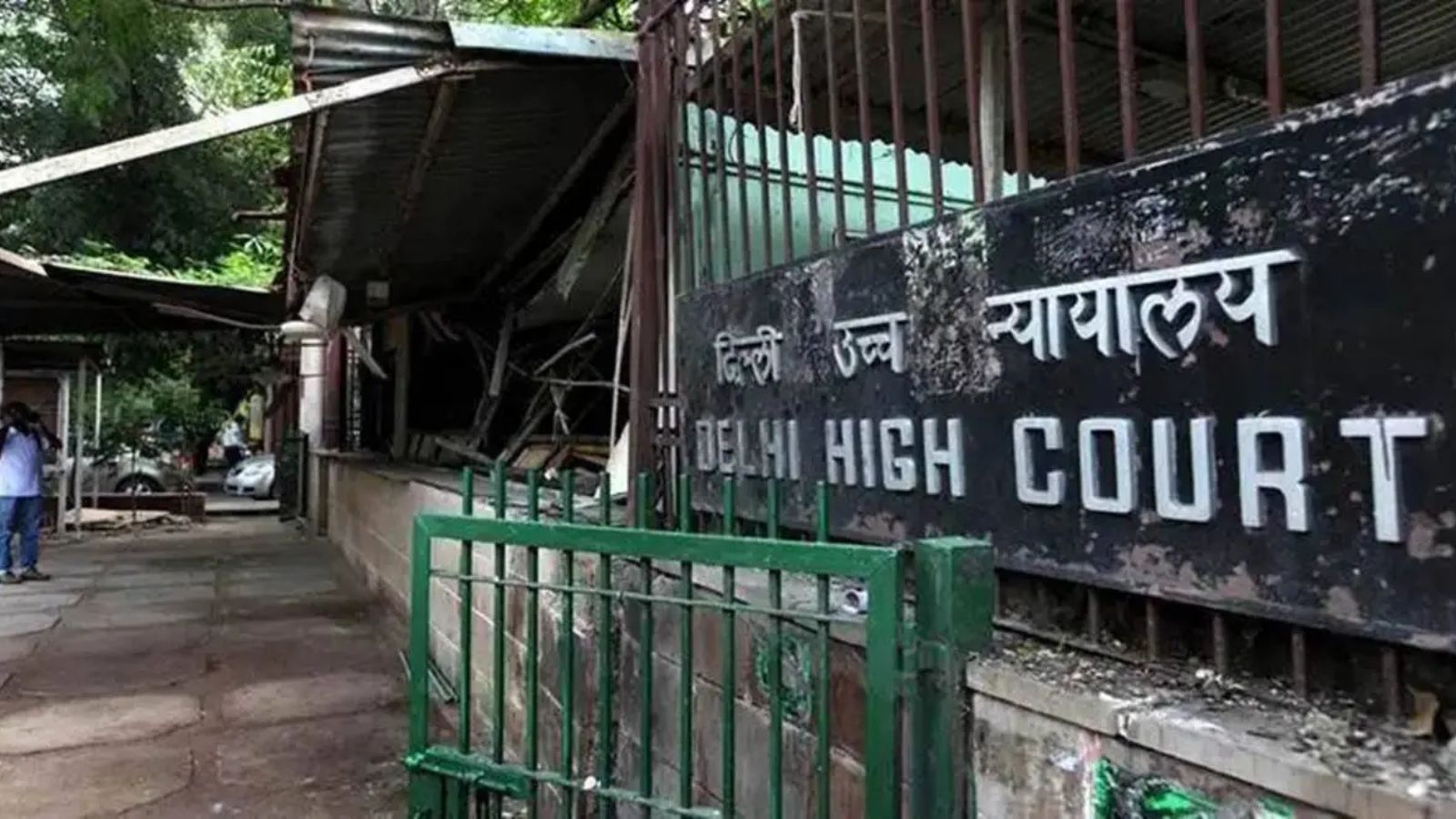
Under the amended rules, the Delhi High Court’s full court will decide senior designations through consensus or a two-thirds majority vote, replacing the earlier 100-point evaluation system.
3 min readNew DelhiSep 22, 2026 09:06 AM IST
The new Delhi HC rules replace the earlier 100-point evaluation system for senior advocate designations.(File)
In a move that does away with the points-based evaluation system, the Delhi High Court on September 3 notified the amended High Court of Delhi Designation of Senior Advocate Rules. The fresh rules will involve the full court in taking a decision for assigning a senior designation to an advocate either through consensus, or by at least a two-thirds majority through voting.
Under the previous rules, the qualifying names were put before the full court following a 100 points-based evaluation undertaken by a permanent committee headed by the three senior most judges of the High Court. A provision of ‘voting by secret ballot’ was available under the old rules, but only as “an exception”.
The new rules come after a three-judge bench of the Supreme Court in May last year read down the evaluation process, noting that “the system of 100 point-based assessment has not achieved the desired objectives”. The SC in February notified the guidelines for the new process to be followed in line with the SC’s May 2025 judgement, and Delhi HC now follows.
Old vs new
Under the previous evaluation system, the points were allocated based on various aspects, including publications authored, years of practice, an interview with the permanent committee which included the Bar president, the Additional Solicitor General and another advocate nominated by the government apart from three seniormost judges. The full court would then consider conferment based on the points.
However, this process ran into controversy in 2024 when 302 applications for promotion were received. Of the total, 70 were designated as seniors while decision was deferred for 67 of them and 165 applications were rejected.
The process was challenged before the SC after one member of the permanent committee, senior advocate Sudhir Nandrajog, resigned, writing to then Delhi HC Chief Justice Manmohan and the Delhi government that the final list had been drawn up without his assent. The designations were made on the eve of Justice Manmohan’s elevation to the SC. The challenge to the process led to the SC’s May 2025 verdict. In July this year, carrying over from the 2024 applicants, 85 others were designated seniors, taking the total to 155 designated seniors of the 302 who had applied.
Under the new rules, the permanent committee has been done away with. The process now involves compiling information and data on a candidate by the ‘permanent secretariat’, headed by an officer of the rank of a registrar.
Story continues below this ad
The permanent secretariat shall initiate the process at least once every year by inviting applications. Once the permanent secretariat has compiled the data, including by taking opinions from chairpersons of tribunals and district judges in case applicants are practising before specialised tribunals or trial courts, and by inviting suggestions and views from various stakeholders, the names will be placed before the full court.
As per the amended rules, the full court “shall not be required to record reasons for its decision(s), though it may endeavour to make the process inclusive by giving equal opportunity to all members of the Bar who belong to different classes and by encouraging first generation advocates.”
© The Indian Express Pvt Ltd

Sohini Ghosh is a Senior Correspondent at The Indian Express. Previously based in Ahmedabad covering Gujarat, she recently moved to the New Delhi bureau, where she primarily covers legal developments at the Delhi High Court Professional Profile Background: An alumna of the Asian College of Journalism (ACJ), she previously worked with ET NOW before joining The Indian Express. Core Beats: Her reporting is currently centered on the Delhi High Court, with a focus on high-profile constitutional disputes, disputes over intellectual property, criminal and civil cases, issues of human rights and regulatory law (especially in the areas of technology and healthcare). Earlier Specialty: In Gujarat, she was known for her rigorous coverage in the beats of crime, law and policy, and social justice issues, including the 2002 riot cases, 2008 serial bomb blast case, 2016 flogging of Dalits in Una, among others. She has extensively covered health in the state, including being part of the team that revealed the segregation of wards at the state’s largest government hospital on lines of faith in April 2020. With Ahmedabad being a UNESCO heritage city, she has widely covered urban development and heritage issues, including the redevelopment of the Sabarmati Ashram Recent Notable Articles (Late 2025) Her recent reporting from the Delhi High Court covers major political, constitutional, corporate, and public-interest legal battles: High-Profile Case Coverage She has extensively covered the various legal battles - including for compensation under the aegis of North East Delhi Riots Claims Commission - pertaining to the 2020 northeast Delhi riots, as well as 1984 anti-Sikh riots. She has also led coverage at the intersection of technology and governance, and its impact on the citizenry, from, and beyond courtrooms — such as the government’s stakeholder consultations for framing AI-Deepfake policy. Signature Style Sohini is recognized for her sustained reporting from courtrooms and beyond. She specialises in breaking down dense legal arguments to make legalese accessible for readers. Her transition from Gujarat to Delhi has seen her expand her coverage on regulatory, corporate and intellectual property law, while maintaining a strong commitment to human rights and lacuna in the criminal justice system. X (Twitter): @thanda_ghosh ... Read More
Stay updated with the latest - Click here to follow us on Instagram
KioskNews shows a cleaned-up reading view extracted from the publisher’s page — the original always lives on their site, not ours.