Sengkang West LRT Inner Loop to resume train services on Oct 4, two weeks ahead of schedule
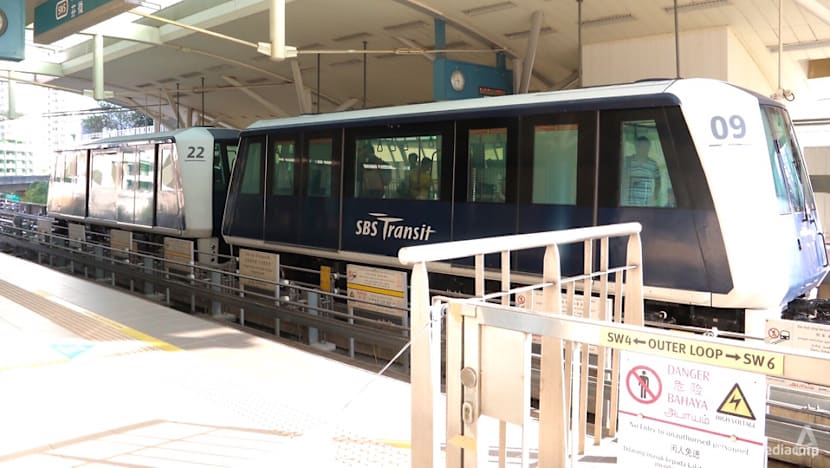
SINGAPORE: Train services on the Sengkang West Inner Loop will resume on Sunday (Oct 4), two weeks earlier than planned after upgrading works were completed early.
The loop, which runs via Cheng Lim station from Sengkang LRT station, has been closed since Apr 19 to facilitate major upgrading works to expand the Sengkang-Punggol LRT depot to three times its size.
The Land Transport Authority (LTA) said in a media release on Friday that the depot expansion team made good progress by optimising the sequence of works. Services were originally due to resume on Oct 18.
Weekday peak-period shuttle bus services, introduced to maintain connectivity during the closure, will end after the evening peak on Friday.
The expanded depot, located beside Tongkang station, is needed to support a larger Sengkang-Punggol LRT fleet to meet growing ridership demand, said LTA.
The upgrading works involved significant modifications to existing tracks, connecting new reception tracks from the depot to the mainline, and installing and testing signalling systems and equipment.
Overall depot expansion is on track for completion by 2027.
MORE TWO-CAR TRAINS
To meet growing demand in Sengkang and Punggol, the authority will procure eight more third-generation two-car light rail vehicles. This will bring the fleet to 41 two-car trains by 2030.
The additional trains are on top of 25 new third-generation two-car trains that are progressively replacing the first-generation fleet. Eight second-generation trains will remain in operation.
The first two of the 25 new trains entered service in July 2025.
LTA said the third-generation trains offer smoother, more comfortable rides, with ergonomic seating, brighter and more energy-efficient LED lighting, clearer passenger information displays, more visible door-closing indicator light strips and an improved air-conditioning system.
Inter-car doors will also allow for safer and quicker evacuation in emergencies. For maintenance, onboard touch-screen panels help staff detect faults faster, and equipment is more ergonomically accessible.
KioskNews shows a cleaned-up reading view extracted from the publisher’s page — the original always lives on their site, not ours.