Denmark bans headscarves for prosecutors as religious dress debate intensifies
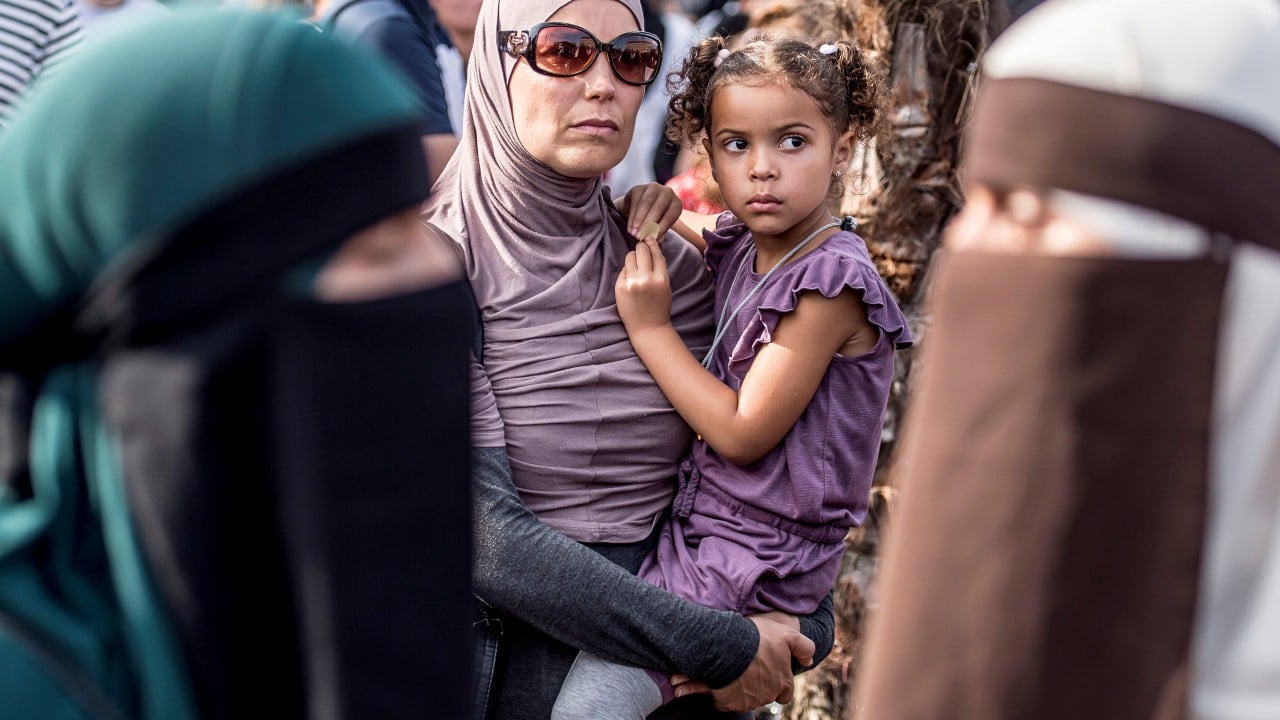
The Danish government issued new guidelines on Wednesday banning prosecutors from appearing in court while wearing religious headscarves.
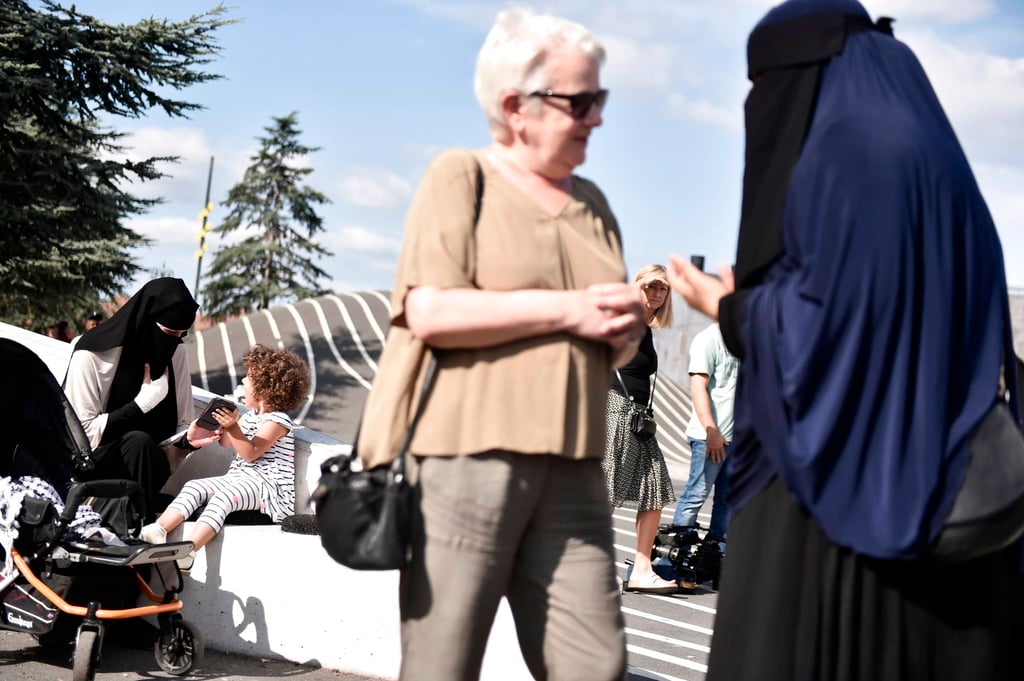
The announcement came as the government debates whether to ban headscarves in schools and universities, and follows a 2018 ban on full-face Islamic veils such as the burka and niqab in public places.
“We are now introducing rules that require prosecutors, just as is the case for professional judges, to appear religiously and politically neutral when they take part in court hearings,” Justice Minister Nicolai Wammen said in a statement.
“This includes religious headscarves, which prosecutors will no longer be allowed to wear in court.”
The minister did not state what consequences there would be for prosecutors who did not wish to remove their headscarves.
Recently, Prime Minister Mette Frederiksen expressed support for a ban on headscarves in primary and lower secondary schools – a proposal put forward by right-wing and far-right parties.
At the same time, Frederiksen voiced doubts about whether it could be implemented in a country where freedom of religion and freedom of expression are cardinal virtues.
Activists have long noted that headscarf bans amount to removing those freedoms from women by telling them what they can and cannot wear.
Frederiksen recently said that “in her eyes, the veil is an expression of oppression”.
The Social Democrat prime minister has been criticised for remarks she made last week about Denmark’s “great replacement”.
Her remarks were hailed by the Danish branch of the anti-immigration movement Generation Identity but Frederiksen said on Tuesday she refused to be equated with the far-right.
“I would like to make it clear that I do not wish to be lumped together with conspiracy theorists, far-right extremists or fascist movements. I have nothing good to say about any of them,” she wrote in a lengthy post on social media.
“There is nothing wrong with wanting to hold on to the country you love,” she argued.
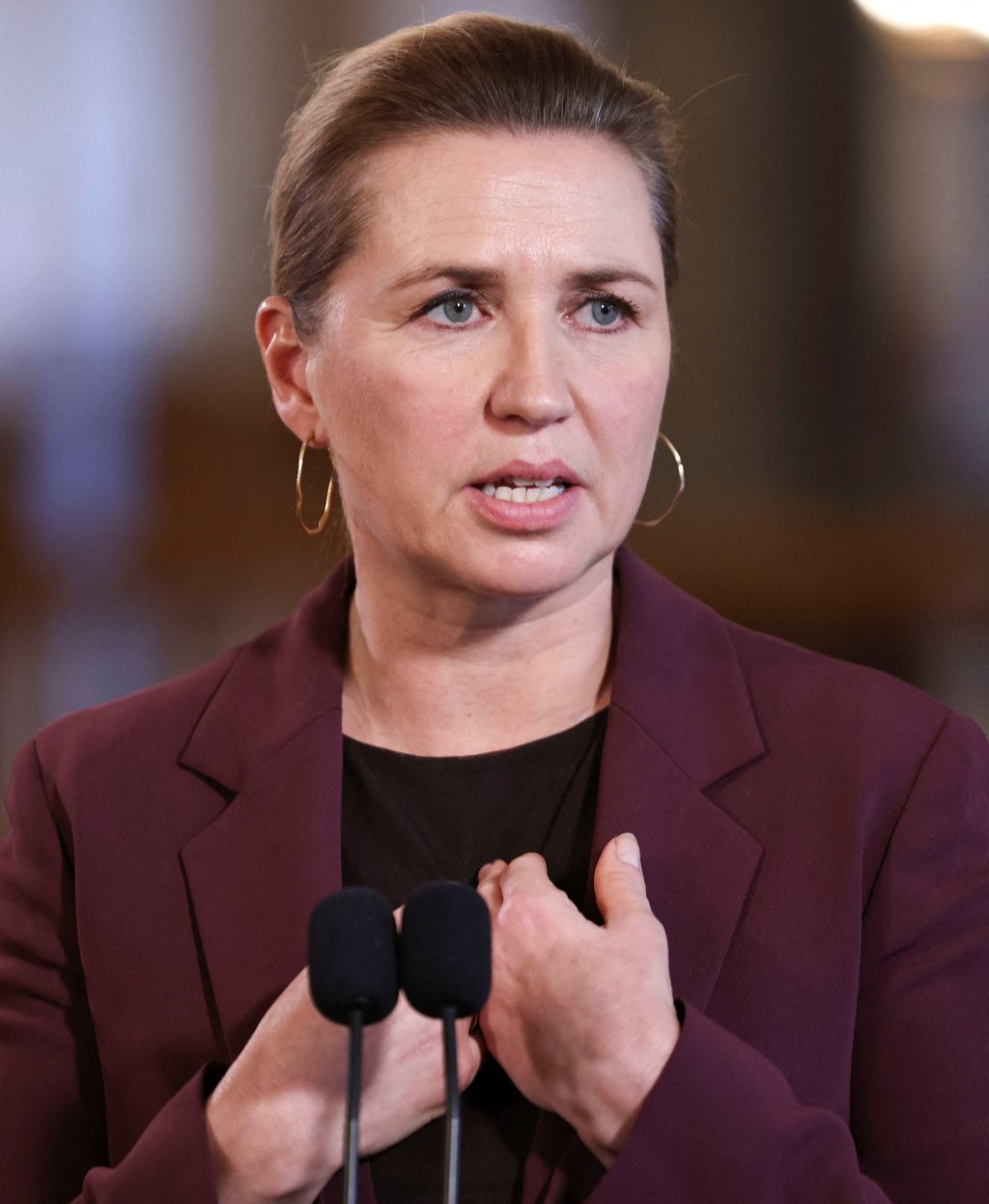
Speaking on November 17 during a Danish political podcast with wide reach, Frederiksen said she was “not [a] supporter of a great replacement of the population”.
“We are a Danish society and our origin, our descent, is ethnically Danish,” she said.
“I am Danish and I am European, I believe in Danish and European values, and I do not want to compromise on them. The majority culture I want to see in Europe in the future is this one.”
A Norwegian survivor of the 2011 Utoya attacks in Norway took issue with Frederiksen’s remarks.
In July that year, neo-Nazi Anders Behring Breivik gunned down 77 people – most of them teenagers at a youth wing summer camp on the island of Utoya. Breivik, a fervent opponent of multiculturalism, committed the deadliest peacetime massacre in Norway’s history.
“I never would have believed I’d hear a European leader, let alone a social democrat, borrow the words from (the great replacement) theory,” Tarjei Jensen Bech wrote in Danish daily Politiken.
“I don’t believe you mean the same thing as Breivik,” he wrote. “The ‘great replacement of the population’ is not a neutral term. It has a history, and that history led to the deaths of young people on Utoya.”
KioskNews shows a cleaned-up reading view extracted from the publisher’s page — the original always lives on their site, not ours.