Apple TV's Stellar Sci-Fi Series Is So Good, It Got 6 Seasons and a Spin-Off


Julio is a Senior Author for Collider. He studied History and International Relations at university, but found his calling in cultural journalism. When he isn't writing, Julio also teaches English at a nearby school. He has lived in São Paulo most of his life, where he covers CCXP and other big events. Having loved movies, music, and TV from an early age, he prides himself in knowing every minute detail about the things he loves. When he is older, he dreams of owning a movie theater in a small countryside town.
"Stellar" isn't a word that should be used lightly when describing anything, but every once in a while, something just fits the bill perfectly. Not only is For All Mankind one of Apple TV's best series, but it's arguably its best science fiction series, period. Co-created by TV veteran Ronald D. Moore, it has enough pedigree and competence to actually run its intended six-season course and even go beyond it with an equally stellar spin-off, Star City. For All Mankind creates a universe among sci-fi's greatest by changing history with one simple question: what if the Moon landing had been different?
'For All Mankind' Completely Changes the History of the Space Race
Everyone knows how history went down: on July 20, 1969, Neil Armstrong took his iconic "small step" on the Moon and all but won the Space Race for the U.S. The USSR never managed to catch up, and space ceased to be a priority for the West until very recently. In For All Mankind, history is flipped on its head, with the Soviets landing on the Moon before the Americans. In its very first scene, cosmonaut Alexei Leonov, whom everyone is watching, takes steps on the Moon, not Armstrong.
Being second to the Soviets in anything just isn't acceptable to the U.S., but, unfortunately, the USSR also doesn't plan on slowing down after its initial triumph. In For All Mankind, the Space Race never ends. Each season takes place in a different decade, with the world benefiting from every advancement that comes from the continued investment in space exploration. In its sixth and final season, the Apple TV series is finally set to catch up to the present day in its alternate history.
On the other side of the Space Race, Star City examines how the Soviets achieved such an incredible feat before the U.S. While For All Mankind has a deeply hopeful outlook on the potential for human cooperation, its spin-off feels completely different, framed as a political thriller full of espionage. The human cost of exploration and its inherent sacrifices are a big part of both shows, which is what really makes it feel like a single universe.
‘For All Mankind’ Tells a Sprawling Story With Great Characters
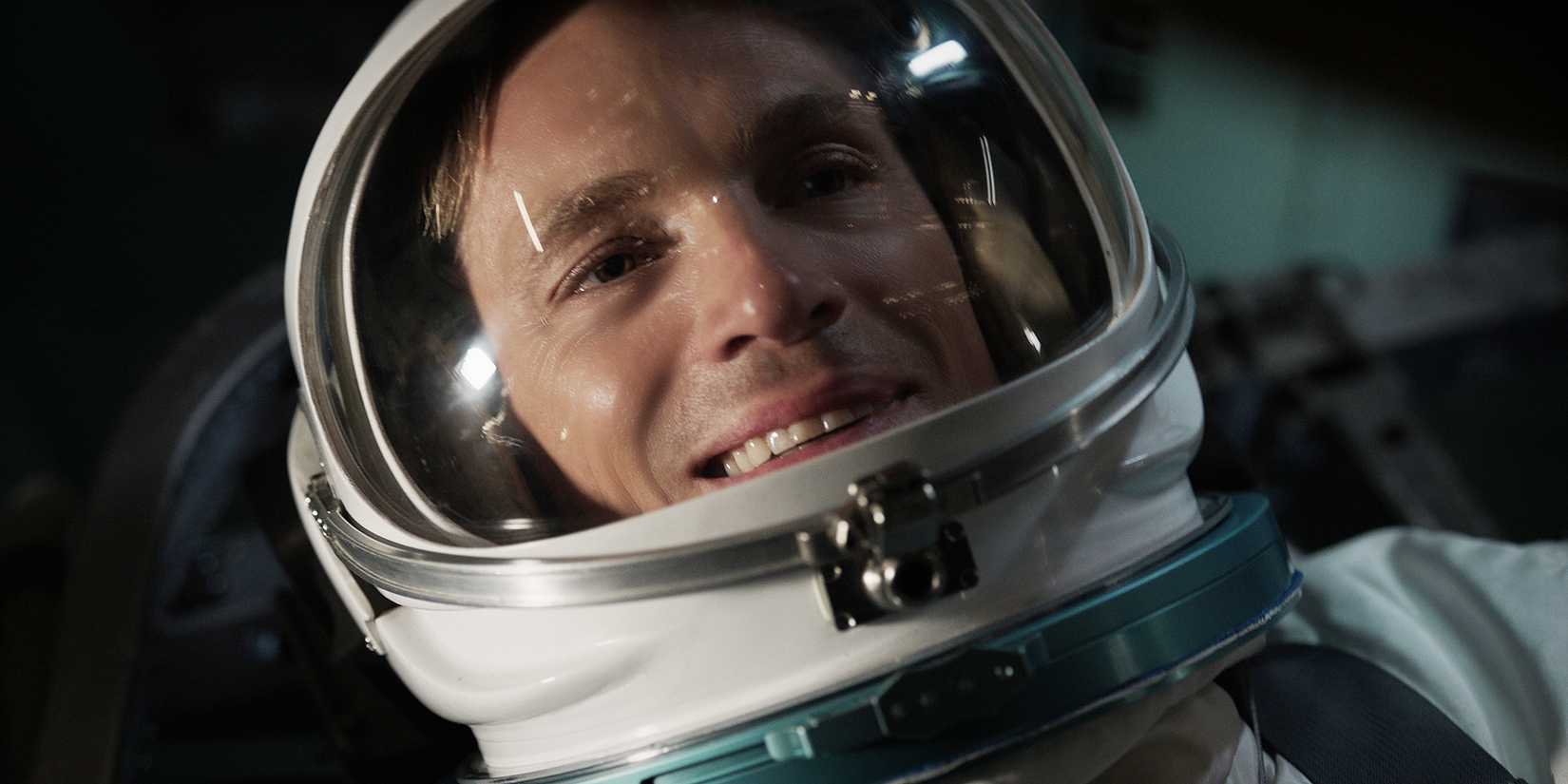
Despite its epic concept, For All Mankind also follows characters and families across decades as they push the boundaries of humankind in space, generation after generation. Most characters in the earlier seasons are based on historical figures from the 1960s, like astronaut Ed Baldwin (Joel Kinnaman) and NASA engineer Margot Madison (Wrenn Schmidt), but, considering its premise, For All Mankind often rotates its cast to follow the passage of time. The series' alternate history often differs greatly from real history, but its generational saga is every bit as interesting as the big achievements.
Of course, like its main series, Star City also emphasizes the importance of individuals as the driver behind historical progress. Since For All Mankind already introduces much of the Soviet context in this alternate Space Race, the spin-off adapts by revealing what the main series can't, like the constant surveillance and control the Soviet regime subjects its cosmonauts to. For them, the stakes are even higher than for the astronauts at NASA, although they all share the goal of taking humanity ever further into the cosmos.
‘For All Mankind’ Is the Rare Case of a Series That Gets To Run Its Intended Course
Fans of For All Mankind have had a great year so far, with the flagship series' fifth season and the spin-off's debut releasing one right after the other. It's rare to get such a treatment in the streaming age, and most of it can be traced back to the fact that co-creators Ronald D. Moore, Ben Nedivi, and Matt Wolpert always intended to see For All Mankind reach the present day.
This is rare nowadays, considering that audience ratings are usually what drive most streaming platforms to decide whether to renew a show or not. For All Mankind never had this problem, as its ratings have consistently placed it among Apple TV's most-watched series, which is saying something, given how many great shows it has in its catalog. Apple has also long championed original sci-fi programming, making For All Mankind's feat all the more impressive as it stands among gems like Pluribus and Severance.
For All Mankind's sixth and final season is currently on track to release in 2027, while Star City has yet to be renewed for Season 2. Given how rare it is for sci-fi series to last beyond a couple of seasons, the fact that these two shows have managed to create and expand a completely original universe is remarkable in today's wildly competitive streaming landscape. Hopefully, we'll get to spend a little more time in Star City after For All Mankind ends.
KioskNews shows a cleaned-up reading view extracted from the publisher’s page — the original always lives on their site, not ours.