Indonesia assesses CPO supply for B60 biodiesel rollout in 2027
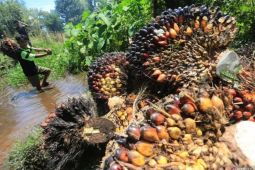
Jakarta (ANTARA) - The Energy and Mineral Resources Ministry is assessing crude palm oil supply and biodiesel capacity ahead of Indonesia’s planned B60 mandate in 2027, Deputy Minister Yuliot Tanjung said.
President Prabowo Subianto announced during the B50 launch that Indonesia would implement B60 next year, Tanjung said at the 12th IndoEBTKE ConEx 2026 in Jakarta on Wednesday.
The government must consolidate upstream CPO supplies, including assessing whether additional oil-palm planting or productivity measures are needed, Tanjung said.
Indonesia also needs to expand its fatty acid methyl ester industry, or FAME, the main biofuel component used in biodiesel blends.
The expanded FAME industry will support B60 implementation across both public-service-obligation and non-PSO fuel mandates, Tanjung said.
Eniya Listiani Dewi, the ministry’s director general for new, renewable energy and energy conservation, said FAME specifications for B60 also require further assessment.
Indonesia used the latest FAME type for B50, while authorities are considering whether to add 10 percent hydrotreated vegetable oil, or HVO, to the B60 blend.
HVO costs about 1.5 to two times as much as FAME, making testing of the proposed blend an early-stage process, Dewi said.
Dewi has asked the Oil Palm Plantation Fund Management Agency, known as BPDPKS, to study FAME requirements for B60, with results targeted by December 2026.
Dewi said researchers involved in developing the technology must determine the appropriate B60 blending ratio, as Indonesia is a pioneer in the field.
The government has not yet disclosed a specific B60 blending ratio, making the ongoing technical study important before the planned 2027 implementation.
Related news: Indonesia's B50 distribution reaches 80 percent nationwide
Related news: Airlangga says energy transition can drive new economic growth
Translator: Putu Indah Savitri, Cindy Frishanti Octavia
Editor: Rahmad Nasution
Copyright © ANTARA 2026
KioskNews shows a cleaned-up reading view extracted from the publisher’s page — the original always lives on their site, not ours.