Honey Foundation marks a decade of strengthening Jewish communities across Israel - interview
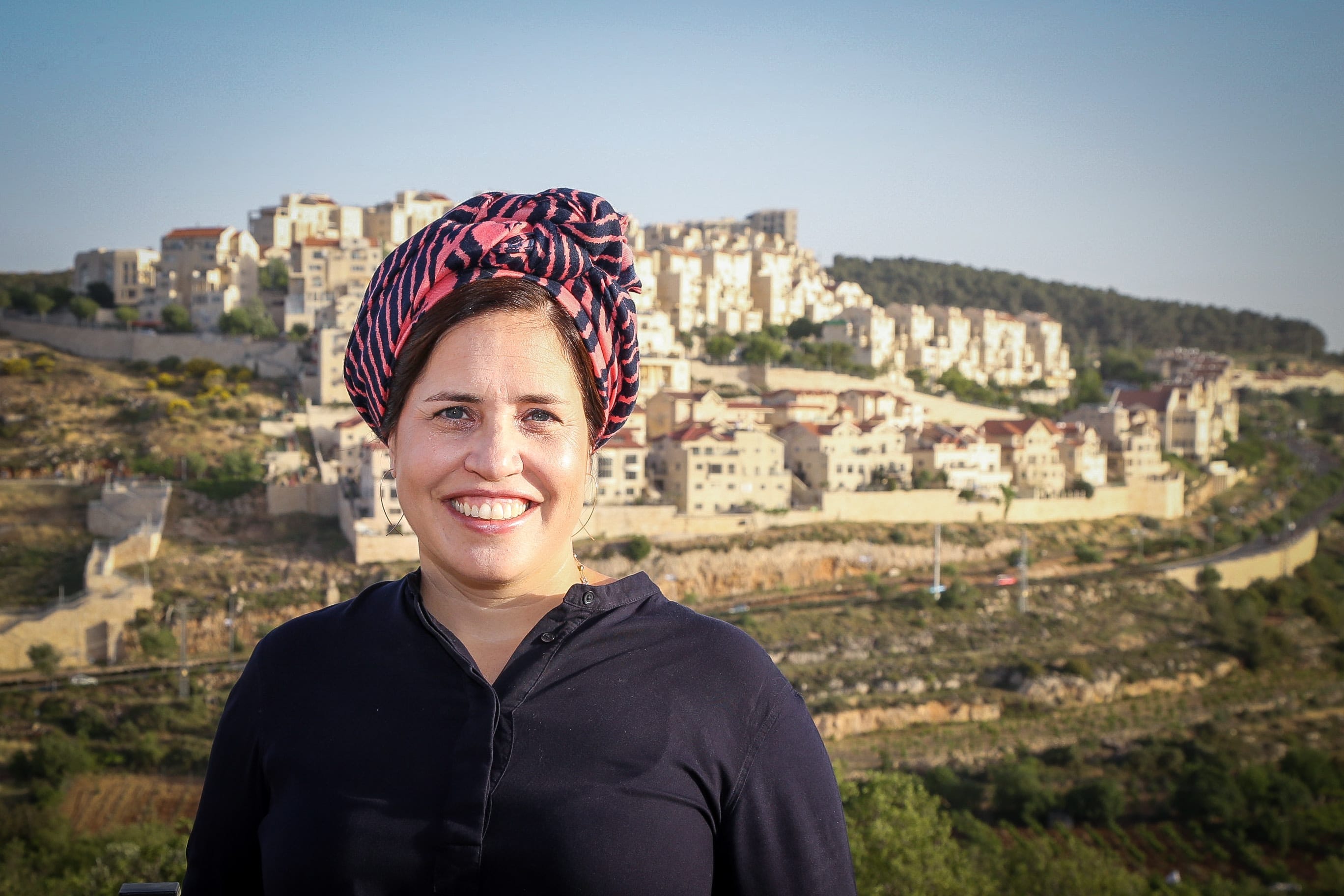
On Thursday at the Van Leer Jerusalem Institute, the Honey Foundation for Israel, which supports religious and spiritual leaders from their own communities, will welcome an expanded cohort of fellows as it marks its 10th anniversary.
For Israel CEO Rabbanit Shira Marili-Mirvis, the milestone is personal, as she herself became a fellow with the foundation when she took on the role of spiritual leader of the Shirat HaTamar community in Efrat. Now, she is helping extend that support to more than 50 leaders in the incoming group.
Founded by Bill and Amy Lipsey a decade ago, the foundation aims to support spiritual leaders from within the community, rather than a “top-down” model in which someone arrives from outside to tell people what their religious lives should look like.
That outside approach has its place, Marili-Mirvis told The Jerusalem Post in an interview ahead of the event, but it does not suit everyone. The foundation looks instead for someone a community already turns to, or who is beginning to take on that role, and asks what would help them do the work.
“If you have someone in the community who is the spiritual leader, or is on the way to becoming the spiritual leader, we will help,” she said.
Jewish communities defy traditional religious labels
What those communities look like is less straightforward than a list of religious denominations might suggest.
When applicants for the incoming fellowship were asked to identify their affiliation, Marili-Mirvis expected the spreadsheet to fill with familiar categories: Reform, Conservative, and Orthodox. Instead, she found descriptions that did not fit neatly into any of them. Some described themselves as secular with a connection to Jewish identity; others emphasized their observance of Jewish law or their relationship with God.
A community led by a Reform rabbi, she explained, does not necessarily consider itself a Reform community. Its members may come together for prayer and study - without ever adopting that label.
The incoming group includes leaders from secular kibbutzim, Russian-speaking communities and communities led by Orthodox women, she said, with fellows working across the country.
Among the applications were requests from kibbutzim where people wanted more opportunities for Jewish learning or Friday-night prayer following the war. In some, a knowledgeable member of the kibbutz had begun teaching or leading Kabbalat Shabbat on the lawn.
One incoming fellow told her about a weekly Talmud class that drew people into philosophical discussions and arguments. The interest came from within the kibbutz, as did the person leading it.
The foundation’s support begins with money. In return for a stipend, fellows commit to 10 hours of work for their communities each week, Marili-Mirvis said. How they use those hours depends on what people need: teaching, prayer, or sitting down for coffee with a community member.
The arrangement is based on trust, she said. It is also intended to encourage both leaders and their communities to recognize that this work takes time and deserves to be paid.
Each fellow also chooses a mentor to work with on questions about their leadership and the community’s direction. The incoming fellowship will run for three years, and participants must take at least one professional course annually.
Marili-Mirvis understands the need for that training from her own experience. After five years studying Jewish law, she entered community leadership and found that the knowledge people needed from her extended well beyond the texts she had learned.
“Ultimately, you come into a community, and the knowledge required of you is human, social and emotional,” she said.
The training addresses those demands. A mediation course deals with disagreements that might otherwise drive members away or divide a community. Other courses address how to build a community and organize the structures that keep it functioning, from committees to the division of responsibilities.
Honey Foundation trains spiritual leaders to recognize mental health challenges
The foundation is also developing a course on recognizing mental-health difficulties and knowing when to refer someone for professional care. A person approaching a rabbi with what sounds like a question of Jewish law may also be struggling with something the rabbi is not equipped to treat, she explained.
“I can accompany someone during treatment. I can refer them for treatment,” she said. “But the rabbi is not a therapist.”
The war has made the demands on community leaders particularly apparent.
Over the past year, the foundation commissioned research involving 27 communities, speaking with spiritual leaders and community representatives about their needs, Marili-Mirvis said. She described leaders reporting exhaustion as they supported people through bereavement, injury, reserve military service and the strain on families, alongside larger questions of faith and meaning.
Yet when asked whether they intended to continue, she said, the leaders described the work as part of who they were. For the foundation, that meant finding ways to support people who wanted to carry on but were worn down by what the work required.
She remembers that need herself from the beginning of the war. Her husband had been called up for reserve duty, and she was home with their five children, while families in her community were frightened and needed support.
On the first Saturday night, she called founder Bill and simply cried. What she needed was for someone to understand what she was trying to manage. The foundation’s response, she said, was to ask what she and the other leaders needed and how it could help.
She added that the relationship between fellows matters beyond a moment of crisis: It gives leaders people they can approach with a question, ask how they handled a difficult situation, or simply tell that they are struggling.
Honey Foundation shifts focus to supporting Jewish spiritual leaders
The foundation is now concentrating more of its resources on those leaders. In its earlier years, it supported programs, institutions and organizations as well as individual fellows. Marili-Mirvis said it had shifted away from that broader funding model to focus its financial and professional support on the fellowship.
Most of its funding comes from the Lipsey family, she said. It is also seeking additional private donors and developing partnerships with Jewish federations interested in supporting particular communities, including those affected by evacuation, and Russian-speaking communities.
Thursday’s gathering will bring the incoming 2027 cohort together with alumni from the foundation’s first decade and launch an alumni network. The program includes a conversation with President Isaac Herzog and his wife, Michal, moderated by Marili-Mirvis, about the leadership Israeli society needs today, followed by workshops led by fellows.
The gathering also brings together religious leaders who might otherwise have little reason to meet.
Marili-Mirvis said that, as an Orthodox woman immersed in her own world of Torah study, she had not previously had friends in the Reform or Conservative movements. Meeting colleagues through the foundation gave her the chance to ask questions and learn about people she didn't know.
Bringing the denominations together was not the foundation’s original purpose, she said. It happened because it supported leaders across them. Over time, the value of having those people learning and talking in the same room became clearer.
The incoming group includes participants from communities that identify as haredi or haredi-national religious, she said. During interviews, she made sure they understood they would be sitting alongside Reform and Conservative rabbis, including women.
Their willingness to participate remained strong, she said.
She added that she was not asking them to change their beliefs or requiring their communities to undertake joint activities. They could remain who they were and still meet people whose Jewish lives looked different.
“The more people get to know one another,” she said, “the more the stereotypes fall away.”
KioskNews shows a cleaned-up reading view extracted from the publisher’s page — the original always lives on their site, not ours.