Iran war boosts Malaysian data centre appeal, SD Guthrie says
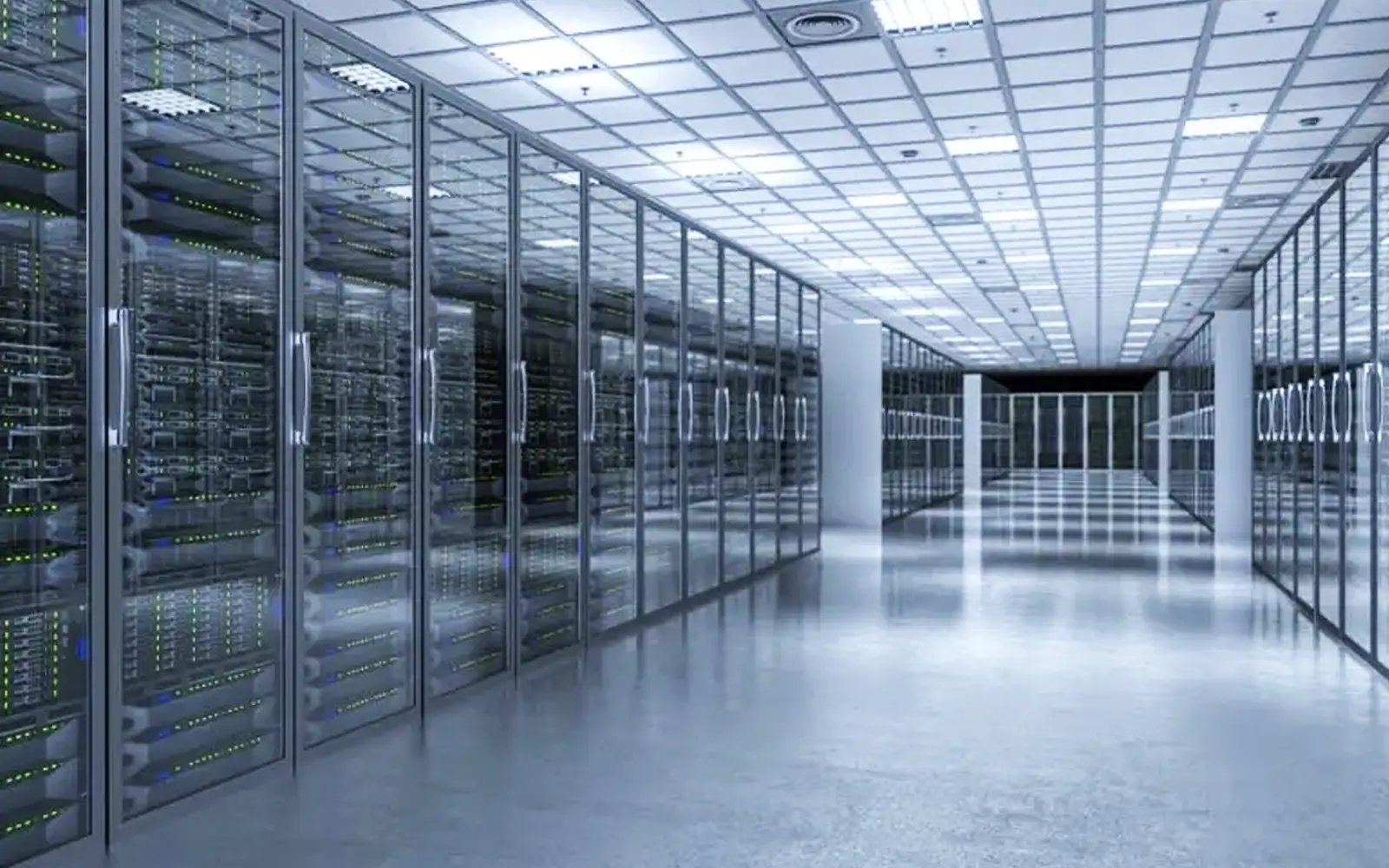
Malaysia is expected to attract more interest as a data centre hub following the outbreak of the US-Iran war, according to SD Guthrie Bhd, giving the palm oil giant and the country’s biggest landowner an opportunity to capitalise on the boom.
Even before the Middle East conflict, Malaysia was drawing data centre investment from companies including Alphabet Inc’s Google, Amazon.com Inc and Microsoft Corp.
Over the weekend, Prime Minister Anwar Ibrahim said Masayoshi Son of SoftBank Group Corp chose locations in the country for US$50 billion in technology investments.
While the war wasn’t cited as a factor in Son’s investment, SD Guthrie president and group CEO Haris Arshad said Malaysia was the “most stable country” in Southeast Asia for building data centres.
The world’s biggest palm oil planter by acreage previously flagged plans to use some of its lower-yielding land for industrial development to tap the data centre boom.
The Middle East had been particularly attractive for data centre investment because of its abundant energy options, but the war has heightened risks in the region, Haris said during an interview on Friday, his first with foreign media since taking the helm in January.
“If you’re going to build data centres for US$10 billion, you’re not going to put it in a place where you might be bombed,” he said.
“We are riding that wave of investment that is coming into” Malaysia, Haris added.
A large share of data centre investment flowing into Malaysia has been earmarked for Johor, which is adjacent to land-constrained Singapore. But as investment pledges roll in, Haris warned that energy constraints would need to be addressed for the region to realise its full potential.
Data centres have signed agreements with Malaysia’s power utility Tenaga Nasional Bhd for as much as 8.77 gigawatts of peak demand, according to officials – equivalent to almost a third of 2025 installed capacity.
More power generation will be needed if the industry is to expand. In Johor, the centres could consume as much as 23% of Peninsular Malaysia’s energy supply by 2031, according to BMI, a Fitch Solutions company.
SD Guthrie has over 210,000 hectares of freehold land, making the company Malaysia’s largest landowner, and has earmarked roughly 10% of its current landbank for industrial development, along with renewable energy assets.
The palm oil producer expects income from industrial development to account for a third of its revenue by the end of the decade, Haris said.
Even as it seeks to capitalise on the data centre boom, SD Guthrie’s core palm oil business faces a more uncertain supply outlook.
Haze and regulatory risks
Haris said Malaysian production is expected to remain steady at around 20 million tonnes next year despite a severe El Nino, although dry weather across Indonesia will likely disrupt crop development and delay fruit ripening. The company operates plantations in both countries.
“The concern is in Indonesia,” said Haris, adding that haze stemming from wildfires is slowing harvesting at estates in Kalimantan and Sumatra and could weigh on productivity.
“Indonesia may potentially struggle with crop size next year and this could then become a supply problem for the industry.”
Malaysia, the world’s second-biggest grower, is currently grappling with a supply glut but Haris sees stockpiles starting to decline by February or March, helping to support prices.
He expects benchmark palm oil futures to climb to around RM5,000 (US$1,224) a tonne by the end of the first quarter of 2027 on slowing output and firm demand. They are currently near RM4,800 a tonne.
SD Guthrie is keen to expand in Indonesia even as greater state control over the commodities sector creates some “uncertainty and angst” among producers, Haris said. The company’s operations haven’t been disrupted by the policy shifts, he added, which include plans for centralised export controls.
“I would be willing to double down on Indonesia, with the right assets to acquire and with the right partners,” Haris said.
“It may not be upstream, but I’m quite interested to look downstream.”
Subscribe to our newsletter and get news delivered to your mailbox.
KioskNews shows a cleaned-up reading view extracted from the publisher’s page — the original always lives on their site, not ours.