President Ruto Defends Dangote’s 25% KPC Stake Amid Public Outcry
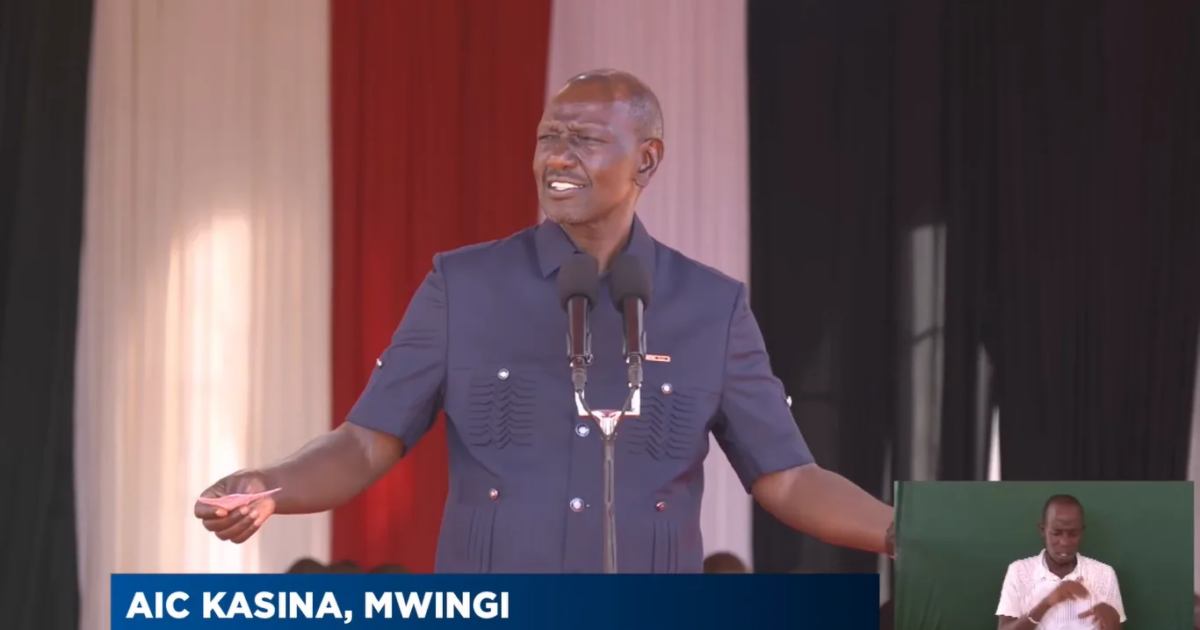
NAIROBI, Kenya Oct 24 – President William Ruto has defended Nigerian billionaire Aliko Dangote’s acquisition of a 25 per cent stake in the Kenya Pipeline Company (KPC) amid public outcry over the transaction, insisting the deal will benefit Kenyans.
Ruto has dismissed criticism of the investment, warning that extortionists and brokers seeking to interfere with investment opportunities will not be tolerated.
The President’s remarks come amid questions from opposition leaders over the circumstances surrounding the sale of KPC shares, the role of state-linked institutions in the transaction and the transparency of the government’s broader investment plans involving Dangote.
People’s Party of Kenya leader and Kiharu MP Ndindi Nyoro has questioned the share sale, alleging that public institutions were encouraged to buy shares during the company’s initial public offering before a substantial block was sold to Dangote.
Nyoro has raised concerns about whether the institutions secured adequate returns and demanded greater disclosure of the arrangements surrounding the transaction.
His allegations have not been independently established, and the government’s position is that the investment will support Kenya’s economic interests.
The KPC transaction has attracted particular attention because the company operates strategic petroleum transportation and storage infrastructure serving Kenya and regional markets.
The debate has also extended to Dangote’s proposed petroleum refinery in Lamu, with critics calling for greater transparency over its ownership structure, financing and investment agreements.
The government has presented the proposed refinery as a strategic project expected to create jobs, strengthen energy infrastructure and reduce reliance on imported refined petroleum products.
Ruto has maintained that attracting private capital into strategic sectors is important for economic development and that the Dangote investment should be assessed against the benefits it is expected to deliver.
The transaction has intensified debate over Kenya’s privatisation programme, particularly the balance between attracting private investment and protecting public interests.
Questions remain over the commercial terms of the share sale, the returns secured by selling institutions and the implications of the new ownership structure for KPC’s governance.
KioskNews shows a cleaned-up reading view extracted from the publisher’s page — the original always lives on their site, not ours.