British war hero launches appeal for stem cell donor after rare blood disorder diagnosis
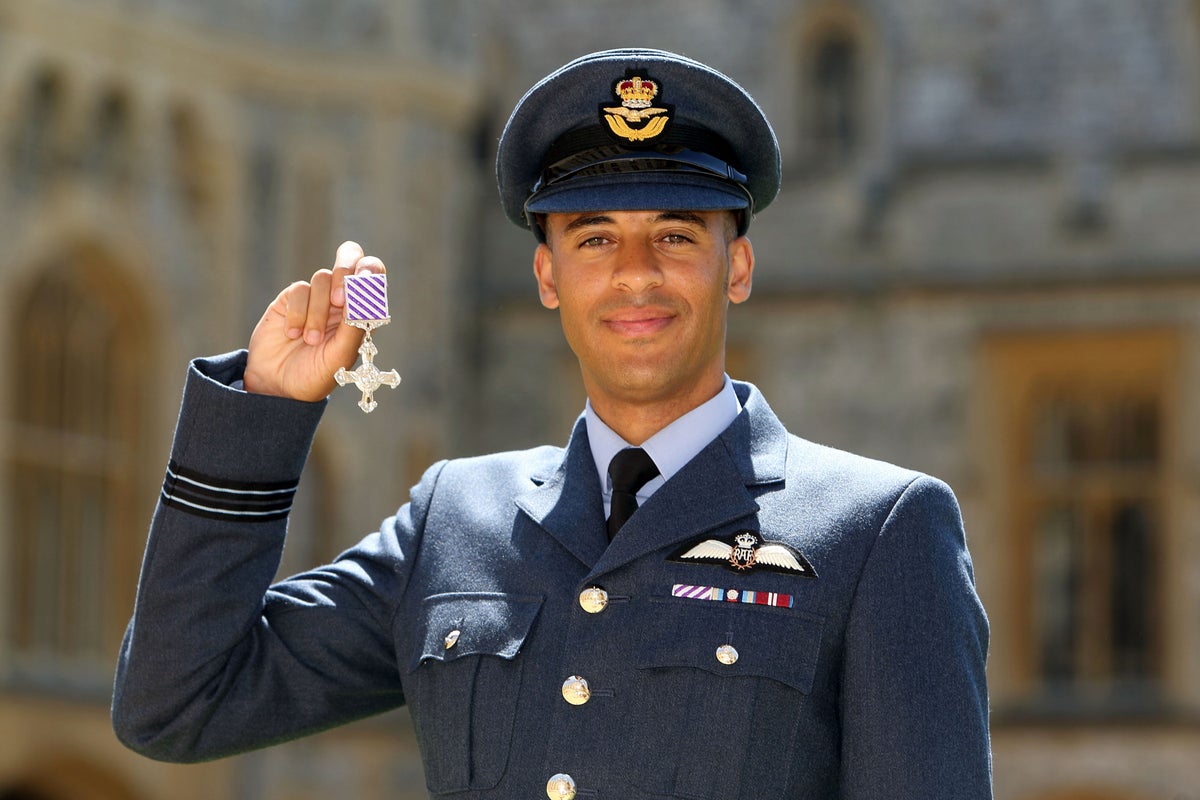
A decorated British military veteran has described finding himself "needing help from other people" after being diagnosed with a critical, life-threatening blood condition that leaves him requiring a stem cell transplant.
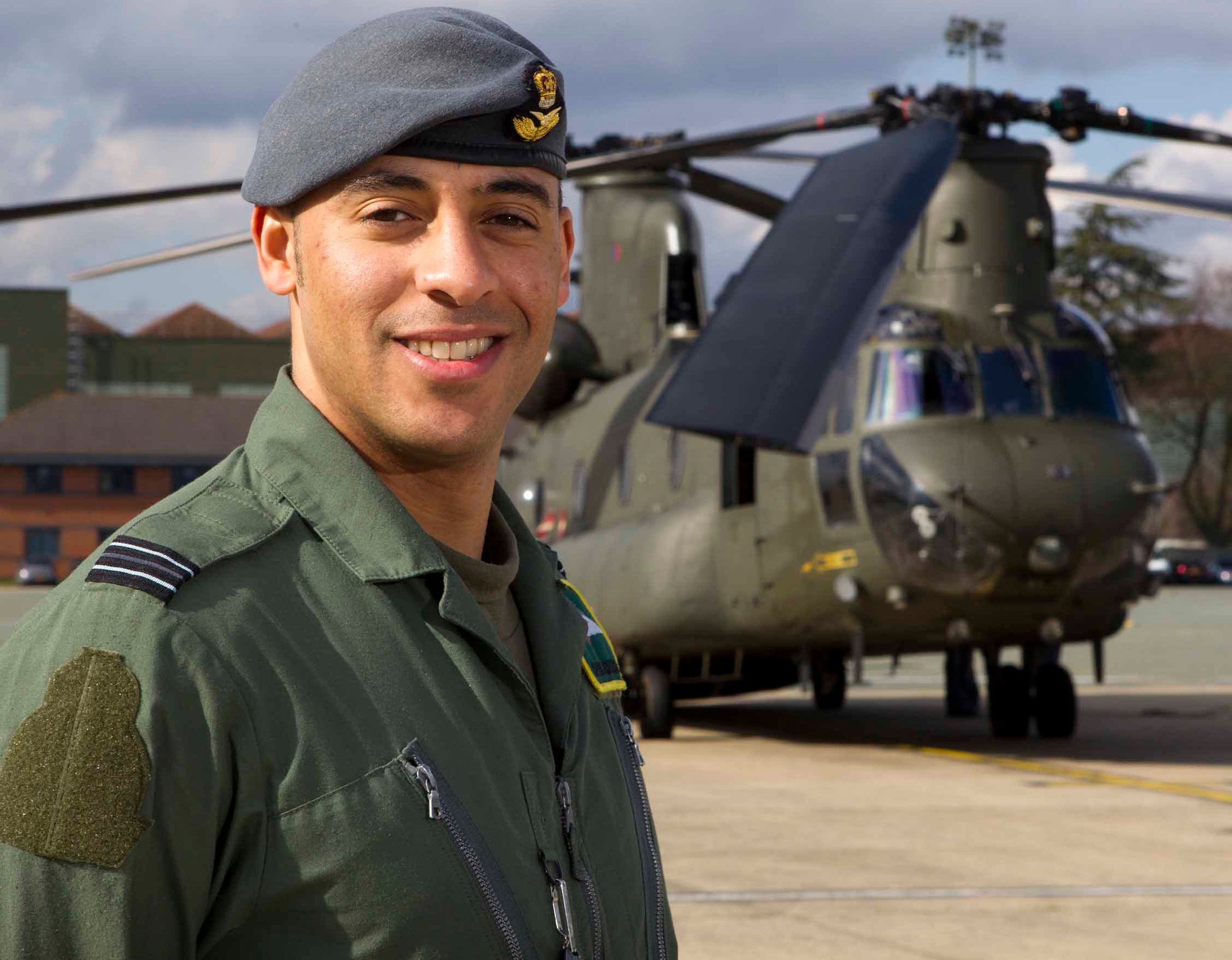
Ex-RAF Chinook pilot Chris Gordon, 43, was awarded a prestigious medal for gallantry by the late Queen in 2013 to recognise his life-saving actions during the war in Afghanistan.
He was given the Distinguished Flying Cross after using his helicopter as a shield to protect 31 British and Afghan soldiers from enemy gunfire before airlifting them to safety, despite losing an engine during the attack.
Originally from Manchester, the veteran is now launching an urgent public appeal for a stem cell donor following his diagnosis with severe aplastic anaemia, an extremely rare and dangerous blood disorder preventing his bone marrow from generating new blood cells.
Informed by doctors that a transplant represents his second chance at life, the former pilot is currently collaborating with blood cancer charity DKMS to urge more members of the public to register as potential stem cell donors.
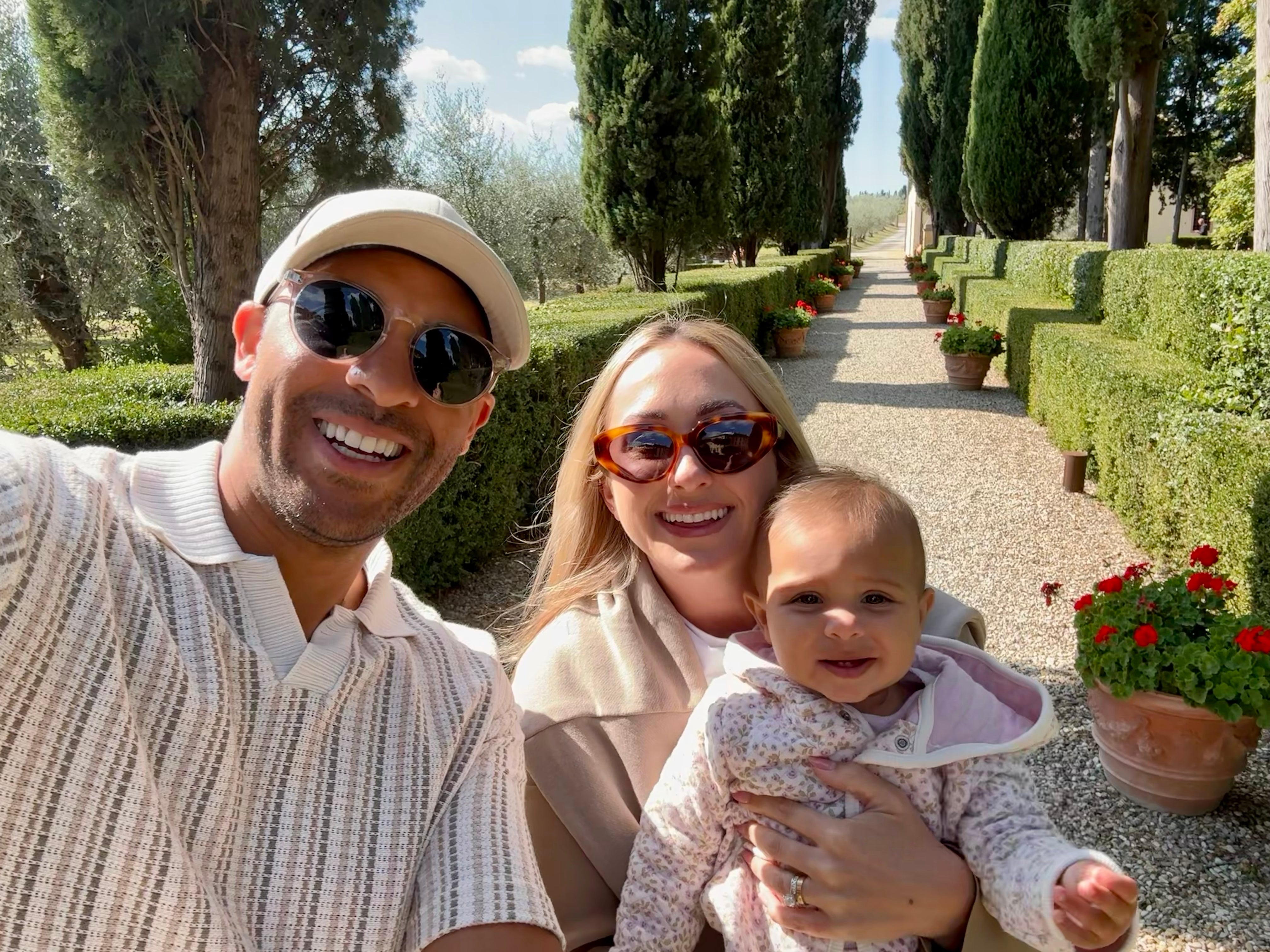
Mr Gordon, who now resides in Los Angeles working as a director at a helicopter aviation firm, has been told he needs a suitable transplant within the next few months.
His brother Jonathan, from Manchester, was found to be only a partial match, prompting medical staff to search international stem cell registers in the hope that someone will prove a full match for Mr Gordon.
While he waits for a match he is having blood transfusions twice a week.
DKMS said that finding a matching donor is also linked to ethnic heritage, and only a small proportion of the stem cell register is from an ethnic minority background.
This means that people such as Mr Gordon, who is half Jamaican, have less chance of finding their lifesaving match, the charity said.
Mr Gordon, who spent 14 years with the RAF, lives with his wife and two-year-old daughter and is expecting a baby boy, who is due within weeks.
“In Afghanistan I saw courage and leadership at their best; people stepping forward when others needed help,” he said.
“It was something I tried to do wherever I could.
“Now I find myself needing help from other people.
“A potential donor could be anyone, anywhere in the world. But I need them to join the donor register so they can be identified as a match.”
He added: “I really think that if you’re OK giving blood, you can donate your stem cells.
“People don’t know that they can do this, and they don’t know the impact that it could have. The actual sign-up process is so easy, and most people will never even be called up. But if you are a match, you could save the life of someone like me, and it is probably much easier than you think.”
DKMS said that signing up to its register is a “simple process”, involving just a few health questions and some cheek swabs, which can be ordered for free from the charity’s website.
DKMS spokesperson Bronagh Hughes said: “For Chris, and patients like him around the world, the right person joining the stem cell donor register could give them their lives back.
“We are so grateful that he has chosen to share his story to encourage more people to sign up as potential donors.
“Signing up only takes a few minutes, but one day you could be called to give someone a second chance. Take a look at the DKMS website to find out more and order your free kit today; you could save a life.”
KioskNews shows a cleaned-up reading view extracted from the publisher’s page — the original always lives on their site, not ours.