In this Mumbai family, men accused of one murder become victims of another
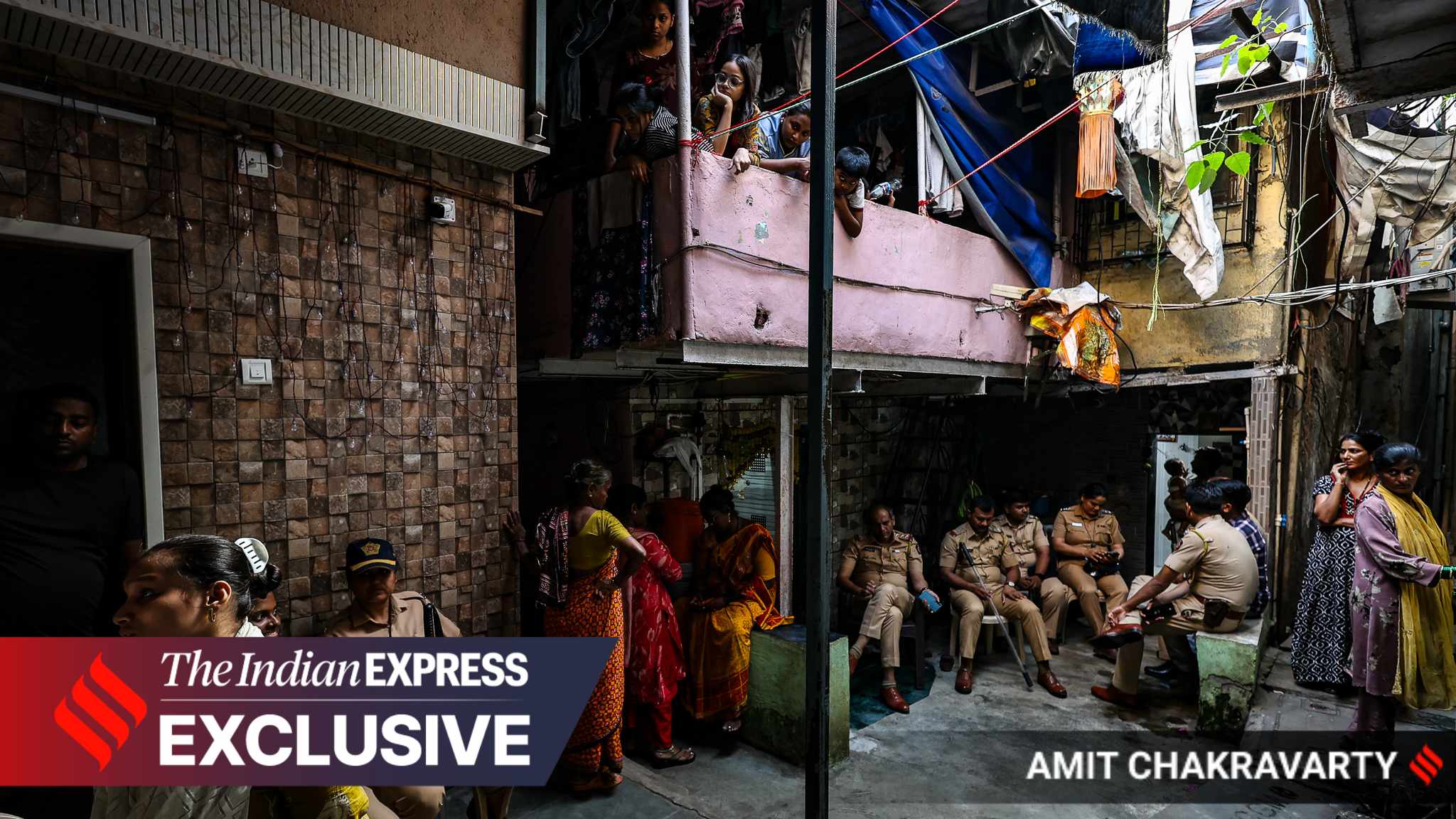
There was a heavy police presence around Naina Pawar’s home on Friday. Inside, she was waiting for the last rites of her uncle.
It was the second killing in her family in barely six months. Her uncle Vinod Pawar, 40, was shot dead on November 11. Her father Baba, Vinod’s elder brother, was gunned down in the same locality on April 29.
Go back further and the count rises. Billa Pawar was murdered in 2019. Deepak Pawar was murdered in 2016. That is four men from one extended family killed in a decade, besides several attempts on other lives.
The family lives in Makadwala compound, a settlement of nearly three acres near Kurla railway station in suburban Mumbai. And what sets these murders apart is who gets arrested for them. Each time, the accused have come from the same extended family.
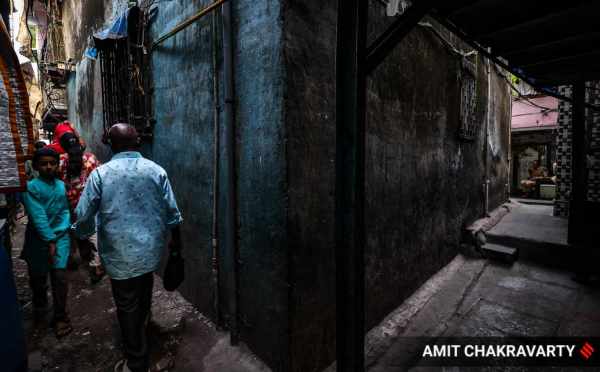 A police officer acknowledged that the narrow lanes made it difficult for personnel to navigate the compound. (Express Photo: Amit Chakravarty)
Deepak was killed in 2016, and his stepbrother Billa was accused. Billa was killed in 2019, and Vinod was convicted for it, while Baba and another stepbrother were arrested and later acquitted. Then Baba was killed this April, and a relative was arrested. Now Vinod is dead, and the man arrested for his murder is that relative’s son.
With that arrest, the feud has reached a new generation. Police said the accused claimed he wanted revenge for an incident last year, in which Vinod allegedly slapped him while resolving a dispute. His father had himself allegedly fired two rounds at yet another relative in 2023.
So what is this family fighting over? Police suspect a combination of property disputes, moneylending and attempts to establish supremacy in the locality. The family disputes that property explains all the killings. And the area’s senior police inspector has been told of a quarrel in 2004 that nobody alive can confirm.
Story continues below this ad
The answer runs through the history of the people who live here: a community the British branded a criminal tribe, the municipal jobs that gave it a foothold in the city, and the money that followed.
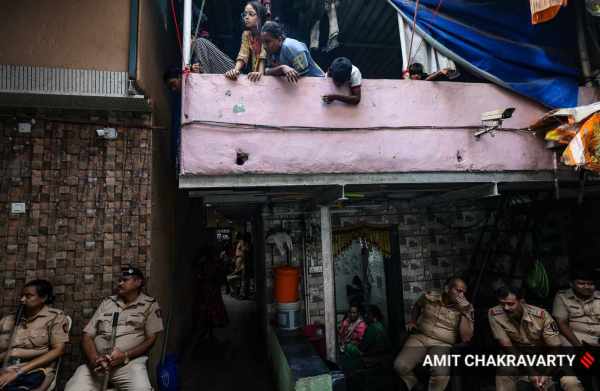 Police suspect a combination of property disputes, moneylending and attempts to establish supremacy in the locality. (Express Photo: Amit Chakravarty)
Seventeen children and the rent
A police officer who has closely tracked the killings said several attacks involving members of the extended family came before the murders. Investigators suspect the broad motives have been disputes over property and attempts to establish dominance within the compound.
Take the 2016 murder of Deepak. It allegedly stemmed from a dispute over rental income from houses owned by his father, a police officer said. The father had married three times and had 17 children. Many of them wanted a share of the rent from the rooms he had given out.
“Billa allegedly abducted his stepbrother Deepak Pawar in 2016, murdered him in Khandala and served a jail sentence,” the officer said. There were also allegations that Billa was involved in the drug trade, which Deepak was trying to enter.
Story continues below this ad
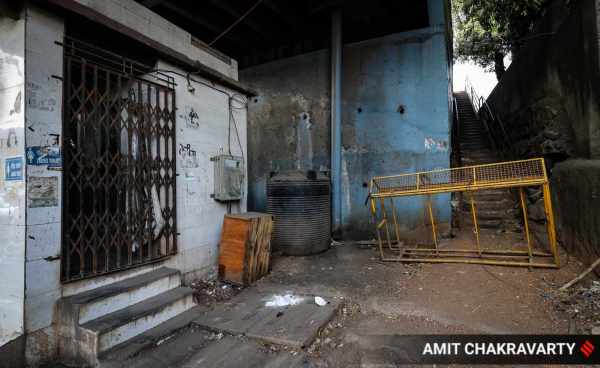 A police officer who has closely tracked the killings said several attacks involving members of the extended family came before the murders. (Express Photo: Amit Chakravarty)
‘He had openly threatened us’
Naina doesn’t accept that her father died over property. She alleges his murder in April was linked to political rivalry during the elections to the Brihanmumbai Municipal Corporation (BMC), Mumbai’s civic body, held earlier this year. She alleges he was targeted for campaigning against a local leader from a prominent national party.
“My father had been killed in April because he campaigned against a prominent politician in the area during the BMC election held earlier this year. When the politician lost, he had openly threatened us. The murder of my uncle is also linked to this,” Naina alleged.
She has also demanded the arrest of family members who allegedly left for their village soon after Vinod was shot dead. A police officer said investigators had so far found no evidence of their involvement, but were examining political rivalry as one of the possible motives.
The monkey handlers
Makadwala compound is divided into three units, each a cluster of small, single-storey tenements joined by narrow lanes. It is named after its people.
Story continues below this ad
All four men who were killed belonged to the Kanchikurve community, also known as Kunchikorve or Kunchi Korva, which is associated with the Kaikadi group. Its members traditionally made brooms and baskets, raised pigs and trained monkeys for street performances. The monkeys gave them their name: Makadwalas, the monkey handlers.
The British colonial administration notified the Kanchikurve, like several other communities, as a criminal tribe. They faced discrimination and social exclusion. After Independence the community was taken off that list, and it is now counted among Maharashtra’s denotified communities. The stigma stayed.
Vidya Pawar, a relative of Vinod, said her forefathers migrated to Mumbai from Solapur in the early twentieth century.
“Janu Pawar, my forefather, had married seven times by one account and generally in those times, most children too married three to four times. Thus, our community grew here in Kurla. We now have our family members occupying nearly half of Makadwala compound,” she said.
Story continues below this ad
Over time, many in the community found formal employment, particularly in the BMC’s Solid Waste Management department, where they came to form a sizable section of the workforce that collects the city’s garbage.
A salary meant savings, and savings could be lent, sometimes at high interest rates. Some families used their earnings to buy houses and rent them out, and became landlords.
With money came influence. A police officer said some moneylenders in the locality had acquired considerable influence because of their ability to recover loans. He recalled instances when BMC employees, who were paid their salaries in cash, would be accompanied by moneylenders to collect their dues directly from their workplaces.
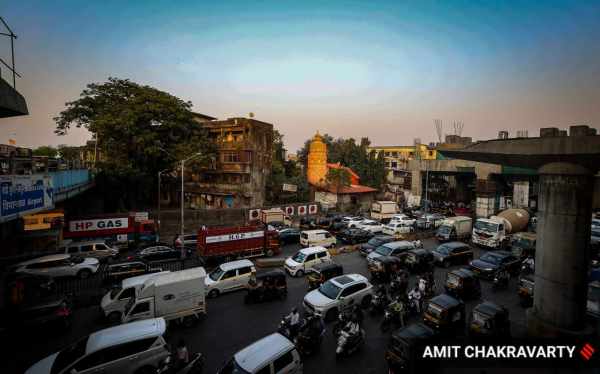 Property and money appear to have fuelled several of the confrontations. (Express Photo: Amit Chakravarty)
‘They think we are backward people’
For all that economic progress, residents say discrimination continues. Naina alleged that police personnel were often reluctant to enter the locality.
Story continues below this ad
“They think we are backward people and do not even bother with our complaints or take them seriously,” she said.
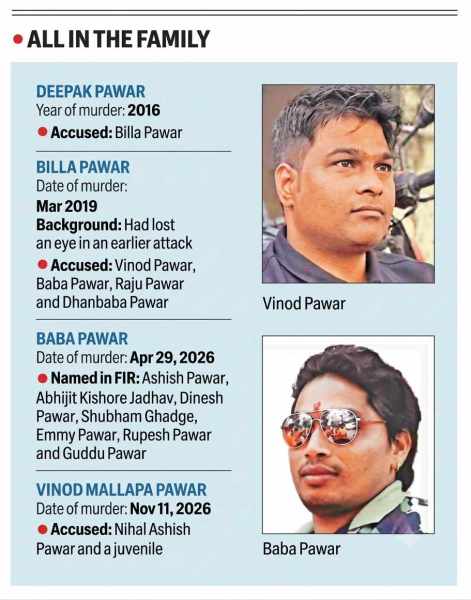 Deepak was killed in 2016, and his stepbrother Billa was accused. Billa was killed in 2019, and Vinod was convicted for it.
A police officer acknowledged that the narrow lanes made it difficult for personnel to navigate the compound. He denied any bias, and said residents had generally been helpful to the police.
“They are very generous people and if they like you, they will do anything for you and trust you. In my experience, unfortunately due to low literacy levels, many tend to get into fights for the smallest of reasons like someone staring at them and sometimes things go out of hand,” the officer added.
A broken leg in 2004
Property and money appear to have fuelled several of the confrontations. But police officers and residents also point to something older, a history of retaliatory attacks within the community.
Story continues below this ad
After the latest murder, Amit Tad, the senior inspector of the local VB Nagar police station, sat down with community members. He wanted to understand why so many killings involved the same extended family.
“Like the khaps in north India, they too have a ‘Panch system’, which was like a council of five elders who would resolve disputes. I was told that the series of revenge attacks began in 2004 when a man broke a woman’s leg in the area in a dispute, following which he was attacked. The panch system eventually resolved the matter,” Tad said.
He added that there is no way to independently verify this account. The elders who made up the panch are no longer alive.
KioskNews shows a cleaned-up reading view extracted from the publisher’s page — the original always lives on their site, not ours.