Royal jewellery worn by Queen Elizabeth II and Henry VIII to go on display at Buckingham Palace

More than 300 pieces of royal jewellery, two-thirds of them never before exhibited, will go on display at Buckingham Palace next year in the first exhibition devoted to 500 years of British royal jewellery.
Royal Jewellery: From Coronations to Keepsakes will span adornments worn by monarchs from Henry VIII to Charles II, and Queen Victoria to Queen Elizabeth II.
The items on show date from the 16th century to the present day, and the display will explore the human stories behind the royal jewels of “love and loss, power and politics, family and faith”, its curators said.
The King's Gallery will host the famous Diamond Diadem, made for George IV's extravagant coronation and later immortalised in coins, banknotes and stamps bearing the image of Elizabeth II.
Queen Victoria's Small Diamond Crown will also be on view.
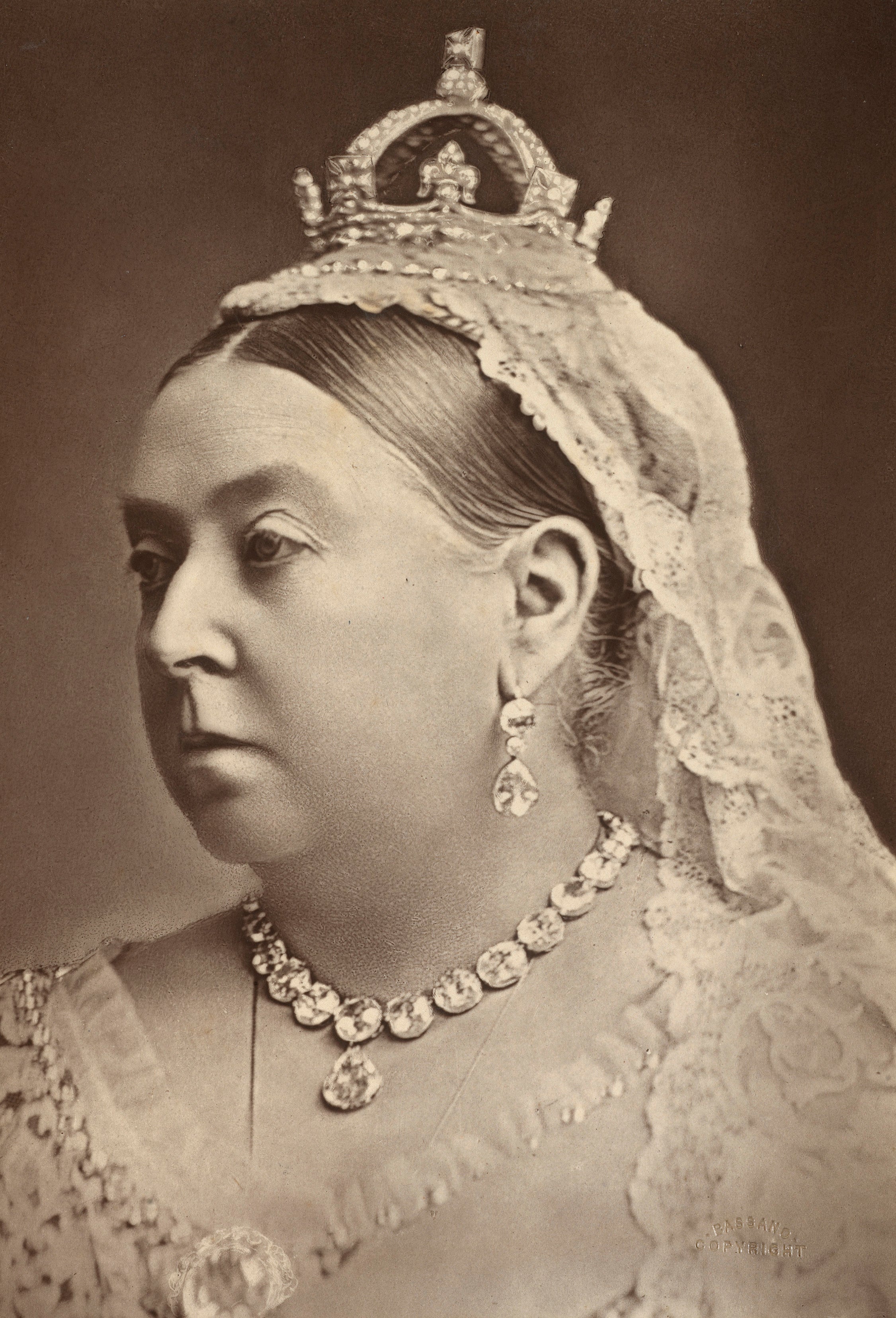
It was so closely associated with the 19th-century monarch that it was placed on her coffin during her lying in state.
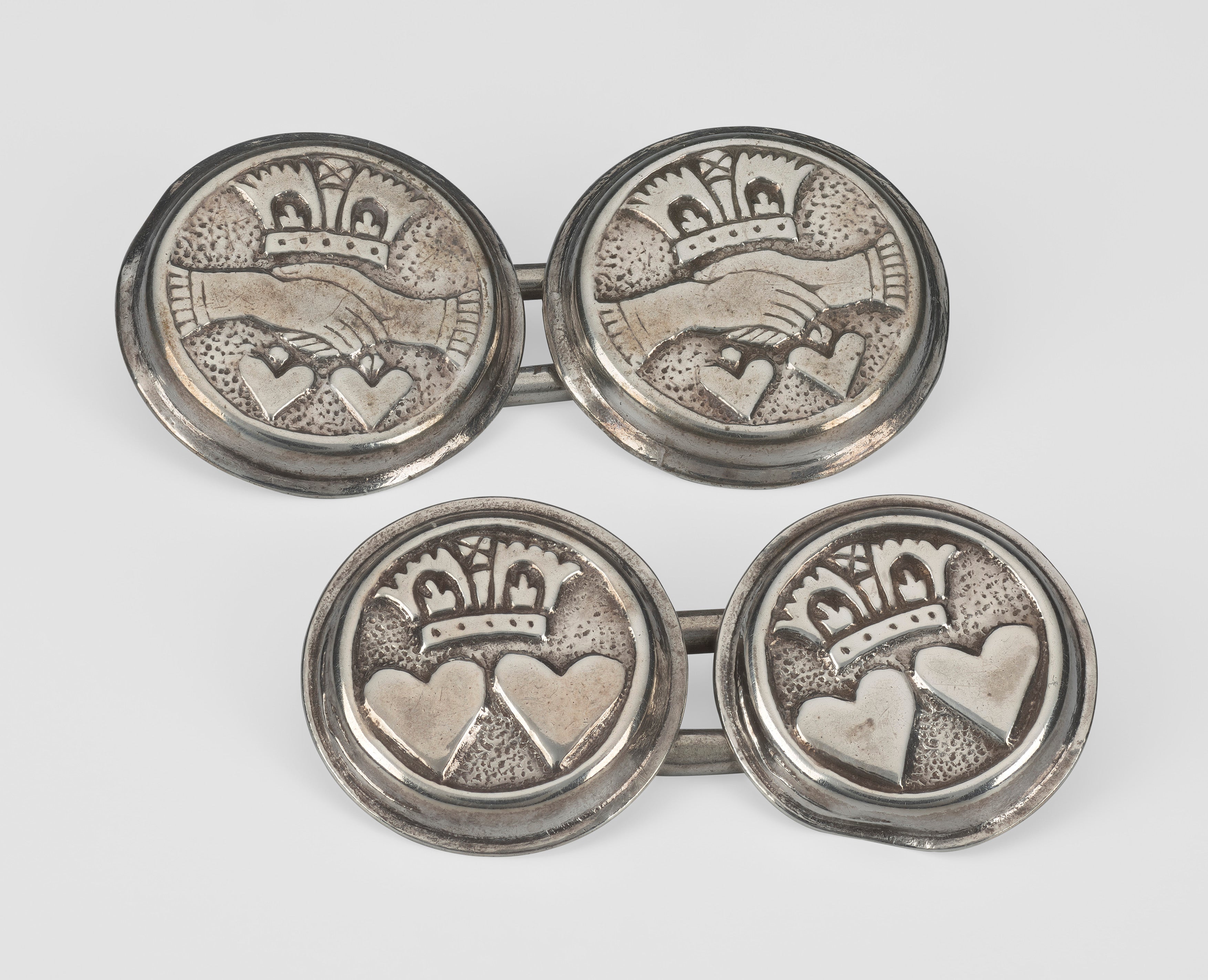
The cufflinks said to have been worn by Charles I on the scaffold for his execution in 1649, and handed to his loyal supporters, will be on public display for the first time.
At the heart of the exhibition will be a collection of jewellery associated with every queen and consort from Queen Charlotte to Elizabeth II.
It traces changing fashions from Georgian splendour and Victorian sentimentality to sleek Art Deco styles and bold mid-century designs.
Caroline de Guitaut and Kathryn Jones, co-curators of the exhibition, said: "This unprecedented exhibition will bring together some of the most important and spectacular royal jewels in British history, many never exhibited publicly before.
“Each jewel carries with it a human story: of love and loss, power and politics, family and faith.
“Together, they have borne witness to the defining moments of royal lives and offer a deeply personal insight into the individuals and relationships that have shaped the monarchy across generations.”
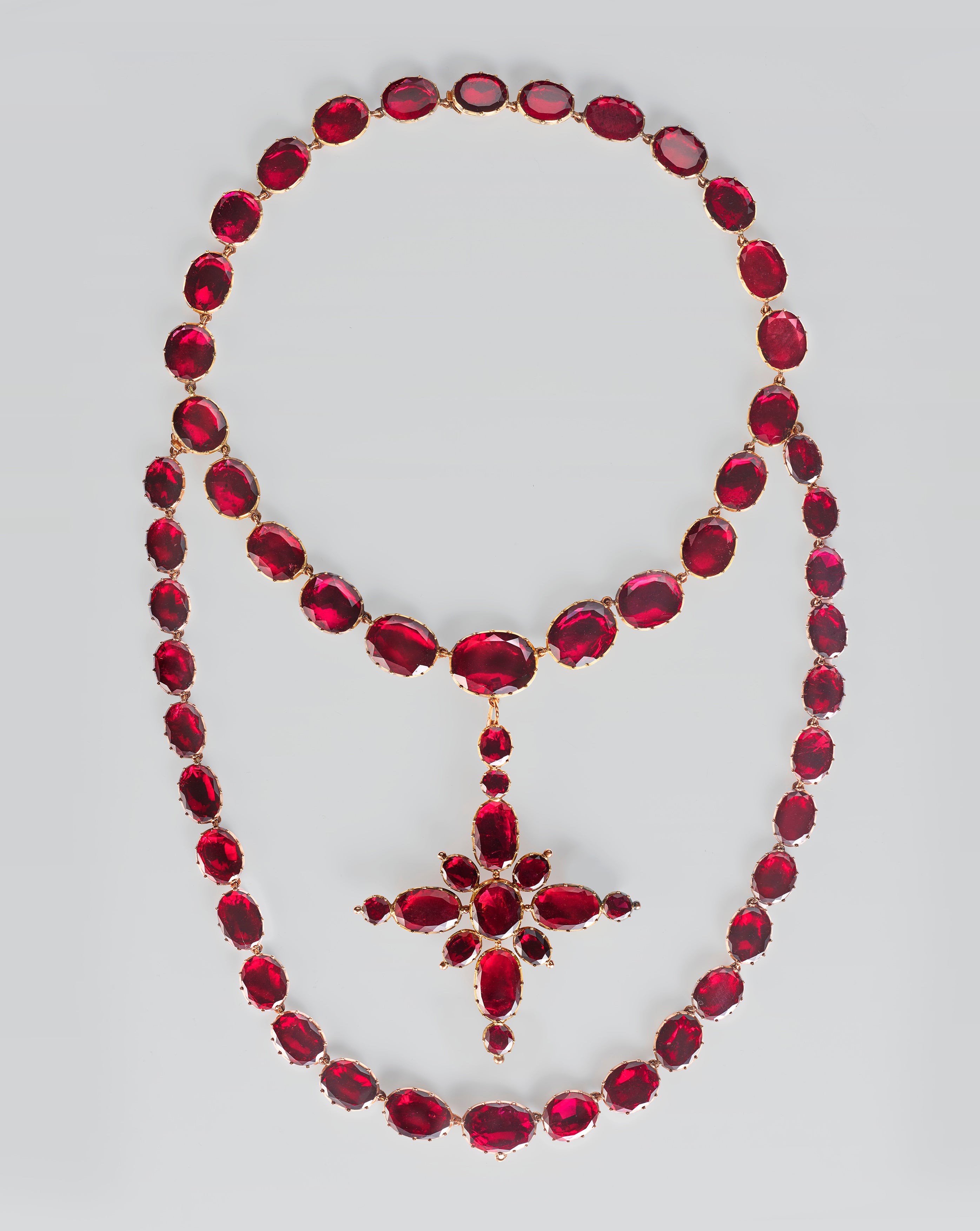
Queen Charlotte's set of garnet jewels will be included for the first time, newly connected to George III's wife through recent research.
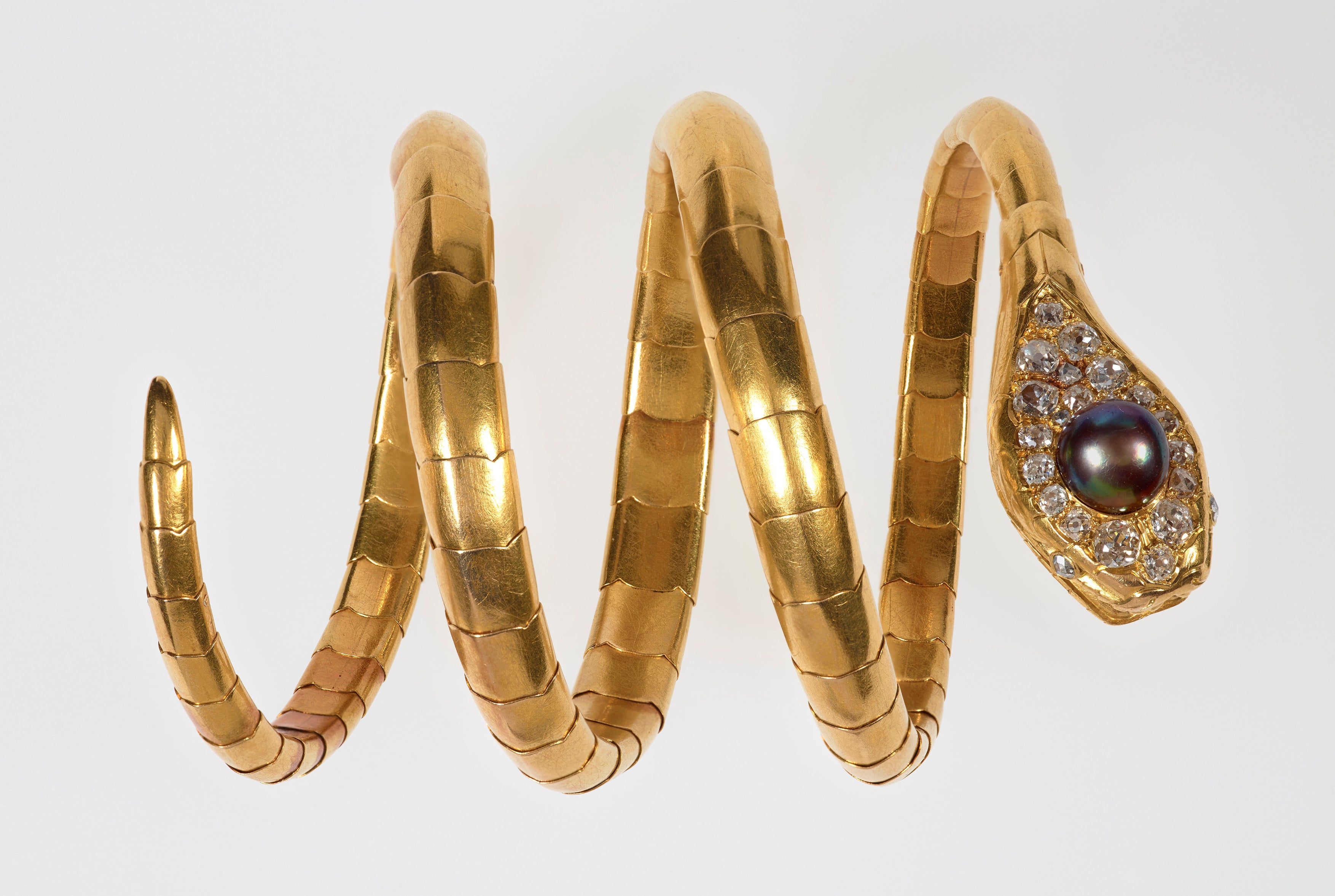
Queen Alexandra's gold articulated serpent bracelet, set with diamonds and a black pearl, will also feature.
A Faberge aquamarine and diamond pendant given to the future Elizabeth II by her grandmother Queen Mary will be among the pieces.
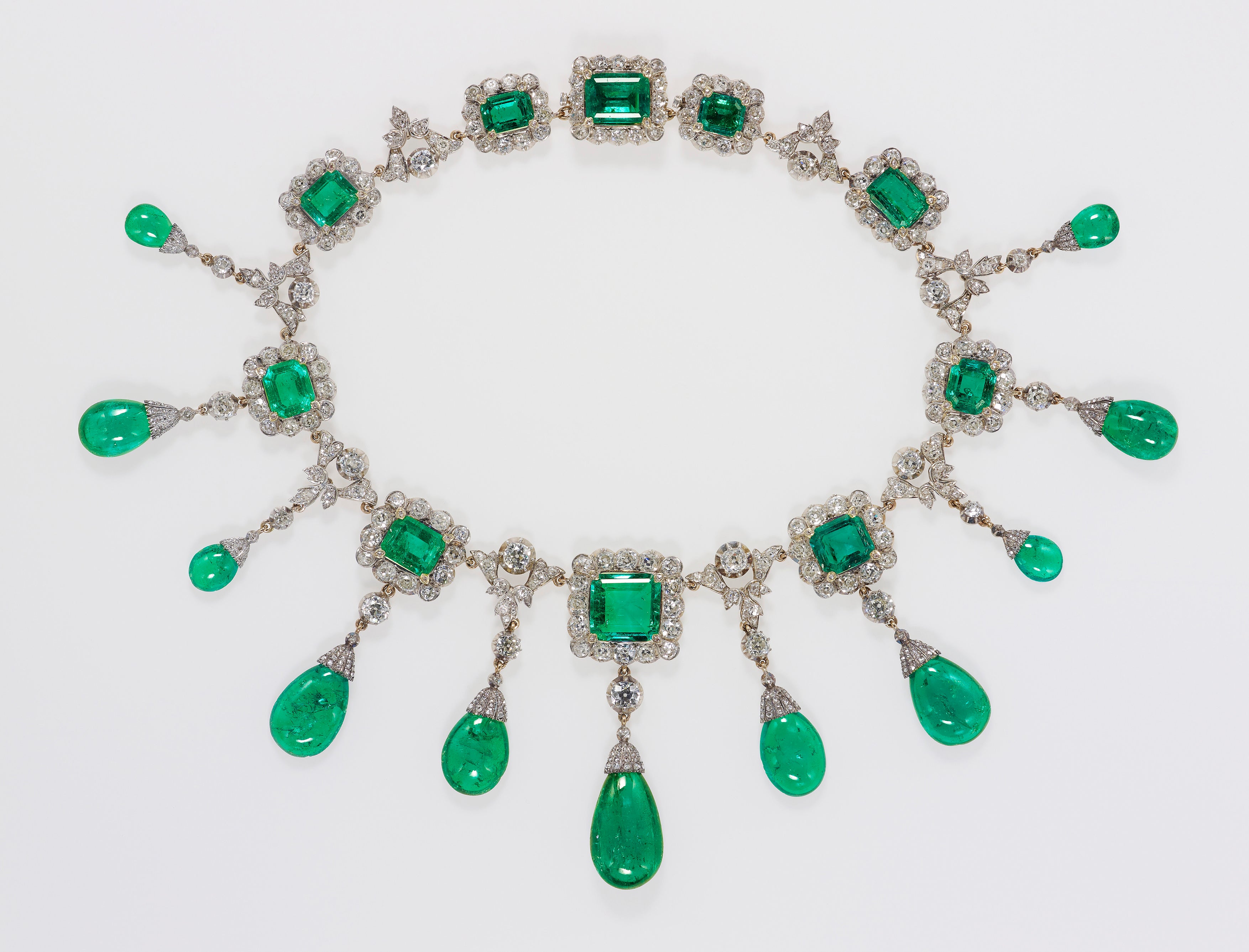
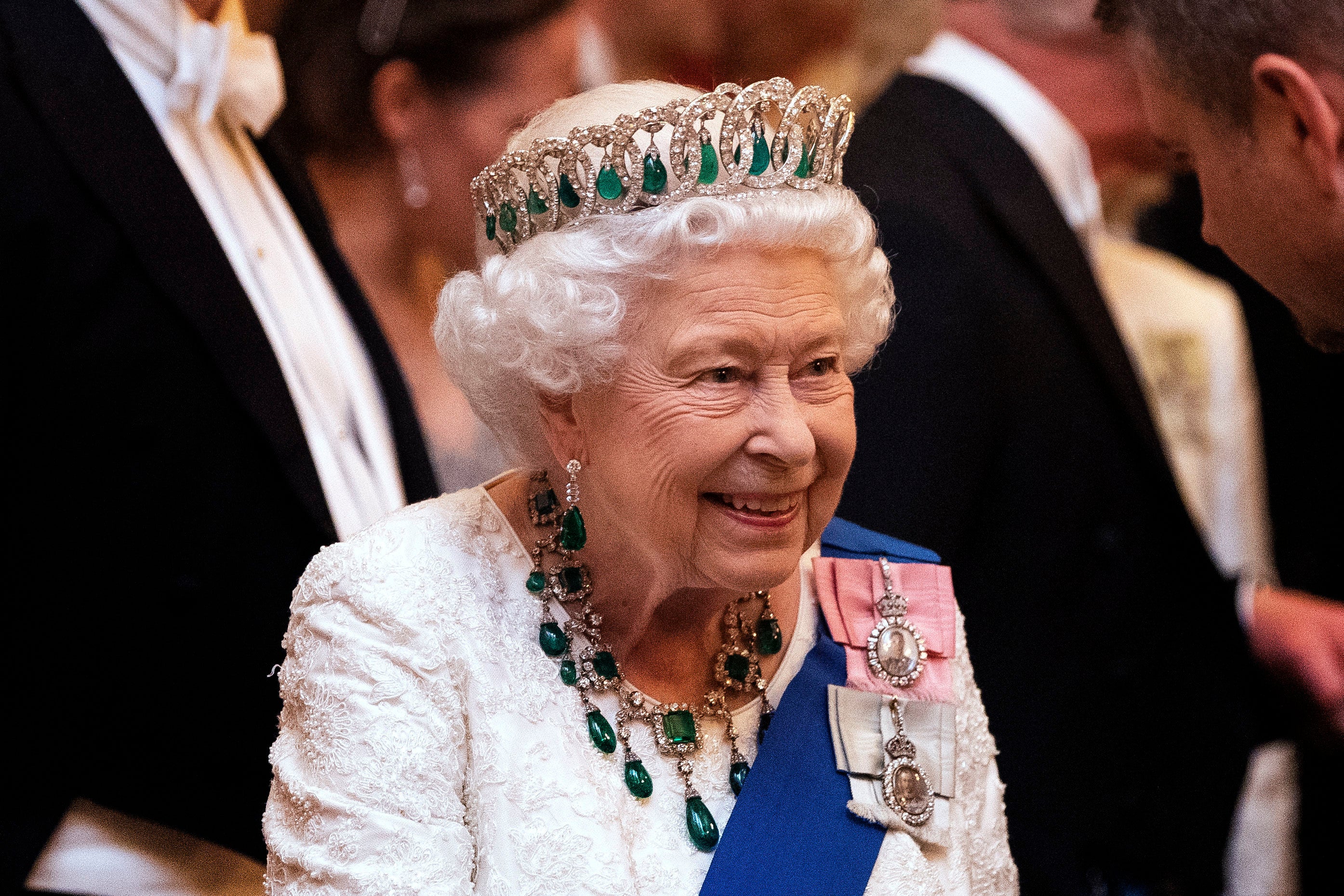
So will the glittering Greville emerald and diamond necklace, part of Dame Margaret Greville's celebrated bequest to the Queen Mother, and worn by Elizabeth II.
Moving keepsakes associated with Queen Victoria and Prince Albert, capturing moments of love, loss and family life, will also be on show.
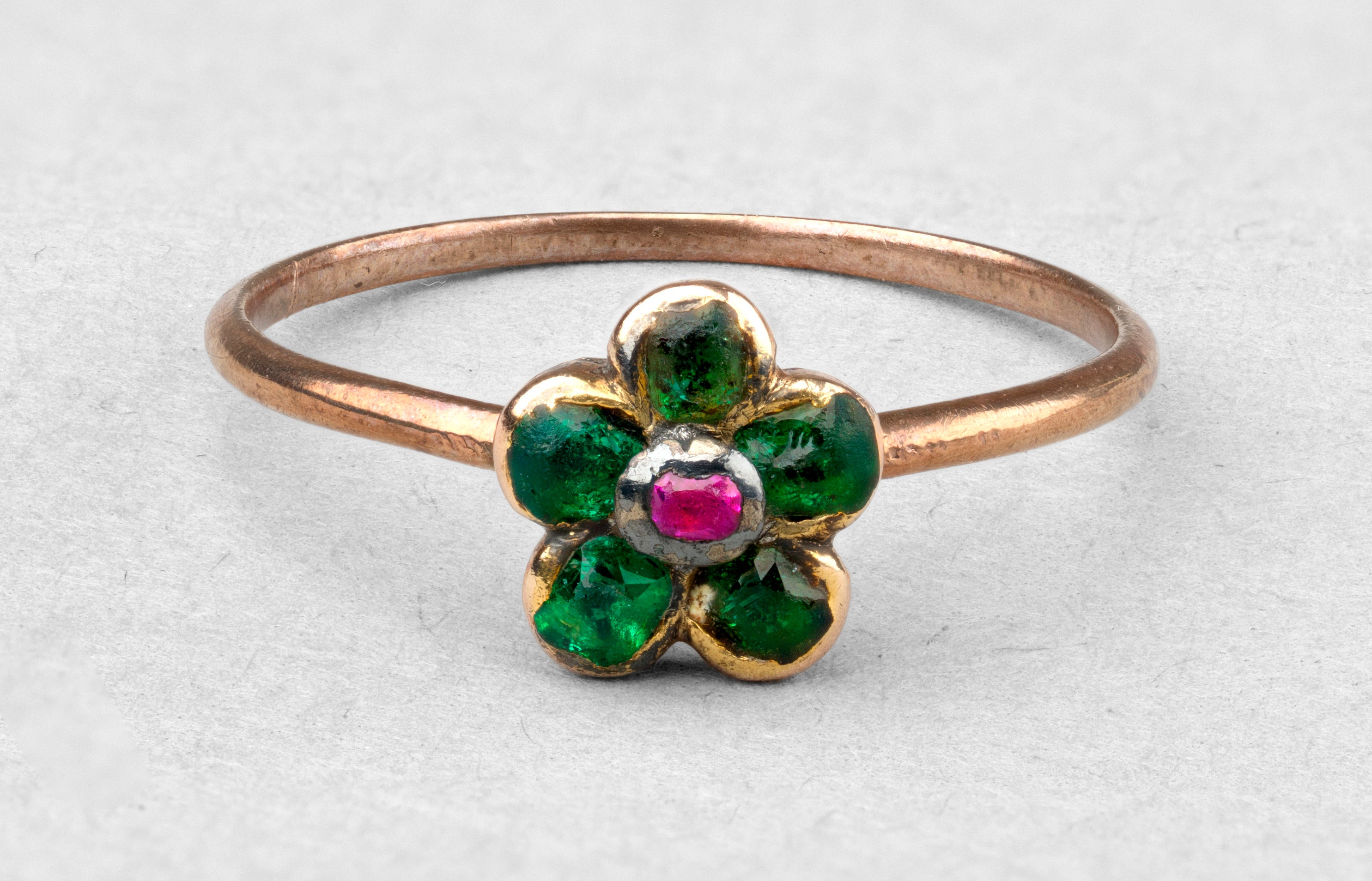
Victoria's first ring, a flowerhead set with five emeralds forming the petals around a single ruby, was worn by her in infancy.
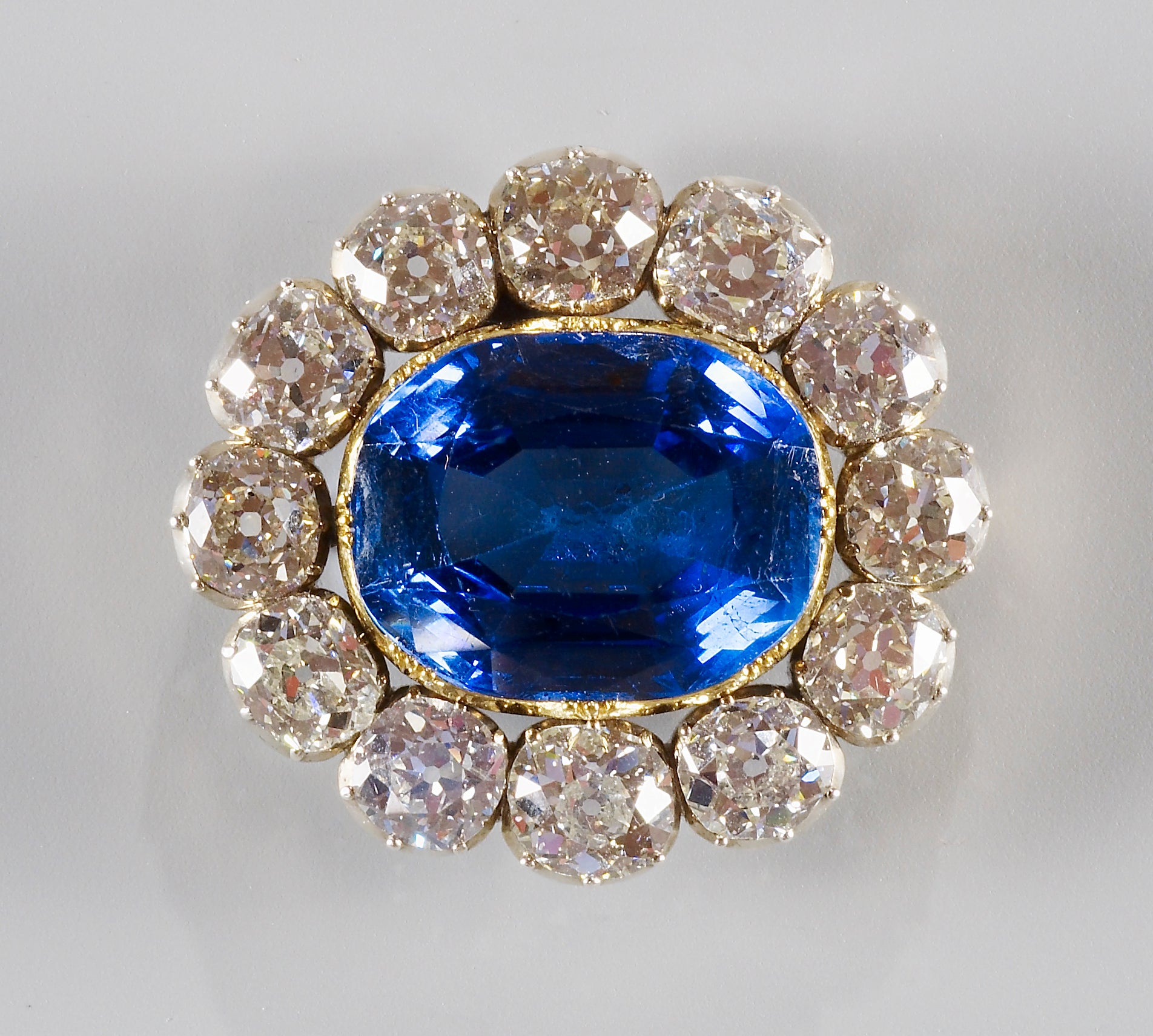
The diamond and sapphire brooch Albert gave Victoria on the eve of their wedding is also included in the exhibition.
Visitors will see a bracelet set with pebbles collected by Victoria and Albert on their first journey alone together.
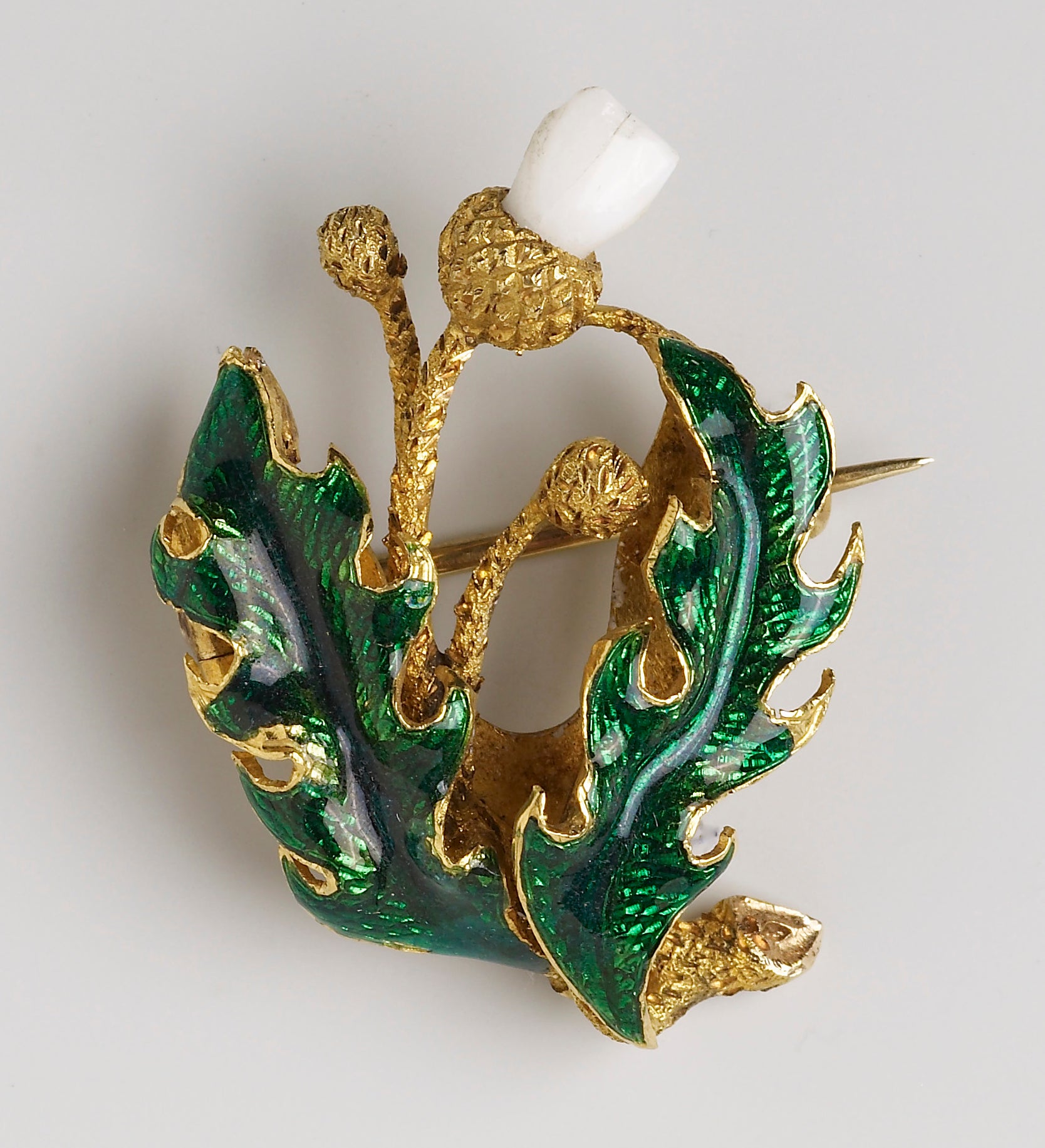
A thistle brooch incorporates their eldest daughter Princess Victoria's first milk tooth, removed by Albert himself.
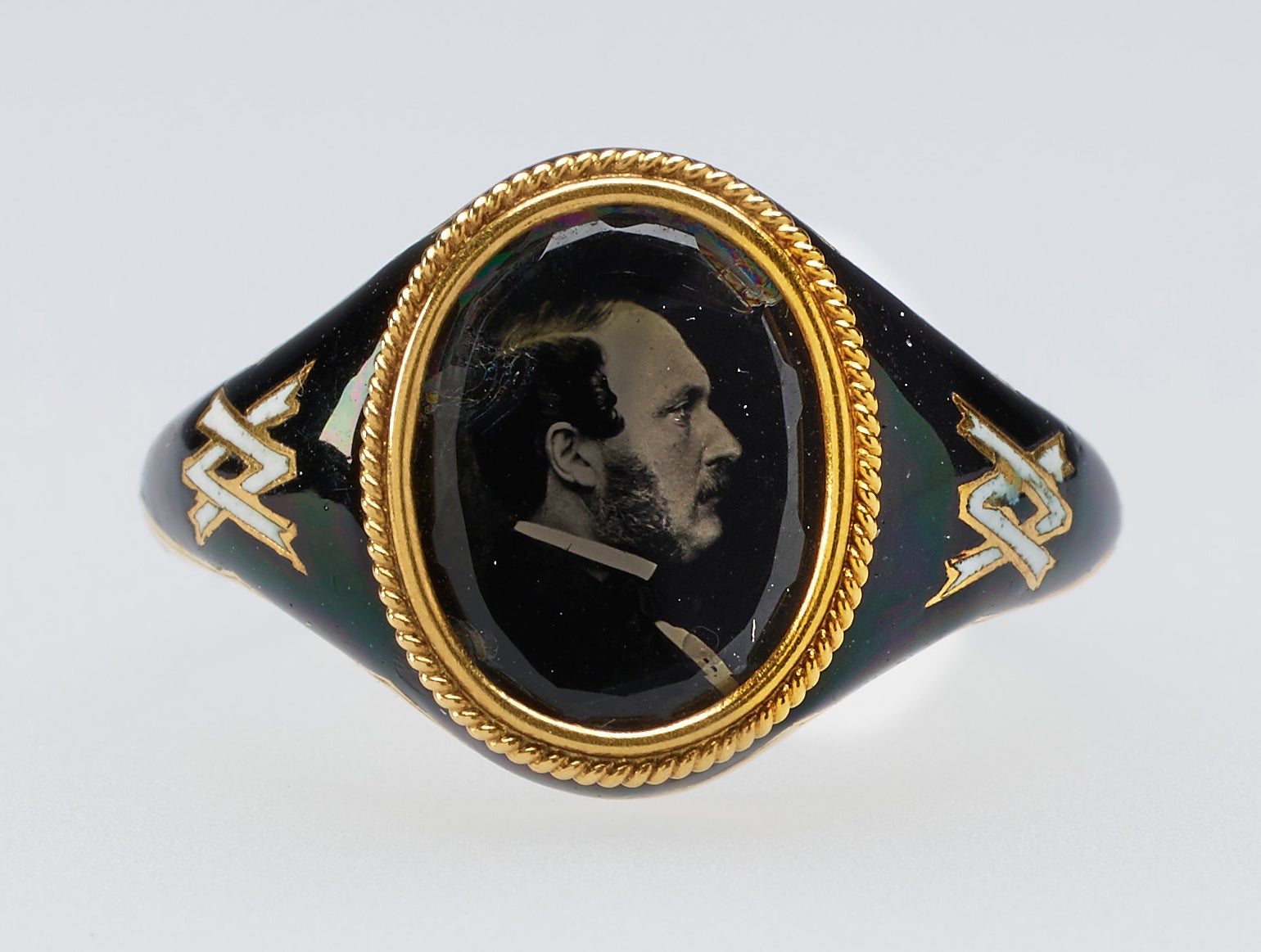
Victoria's mourning ring features Albert's photograph and their intertwined cyphers, made after he died at the age of 42 in 1861.
The priceless Crown Jewels will not feature in the exhibition and will remain on show at the Tower of London.
But visitors will see other glittering jewels created for coronations and major royal occasions.
Tickets will be available to Royal Collection Trust e-newsletter subscribers from 28 October and to the general public from 3 November.
The exhibition will open at The King's Gallery, Buckingham Palace, in London on 25 June 2027 and run for nine months.
KioskNews shows a cleaned-up reading view extracted from the publisher’s page — the original always lives on their site, not ours.