Can the Philippines lead Southeast Asia’s fight against child labour?
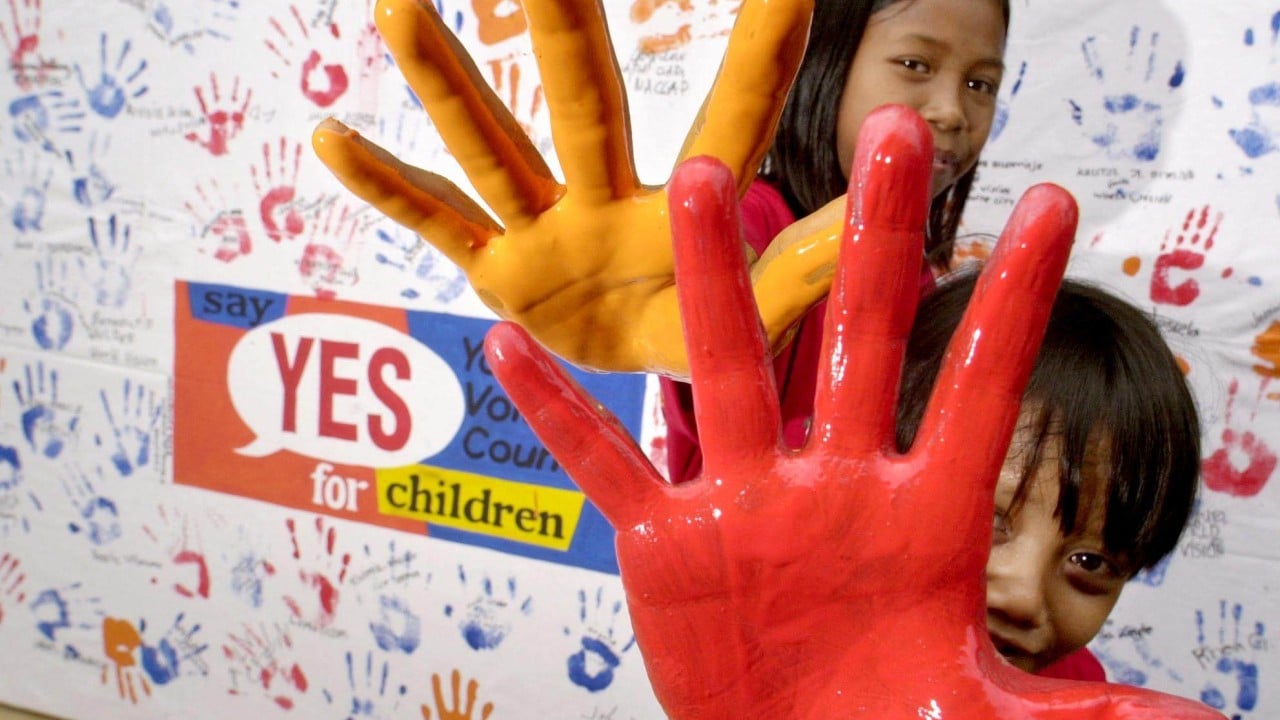
The Philippines is developing a national road map to combat child labour as part of a broader push across Southeast Asia, where poverty and insecure livelihoods continue to drive children into work despite government efforts to stamp out the practice.
But analysts warn that policy commitments alone will not be enough without stronger support for vulnerable families, better access to education and more effective enforcement of child protection laws.
On September 23 and 24, government officials, civil society groups and welfare organisations gathered in Manila to help draft the road map and reaffirm their commitment to ending child labour and human trafficking.
The move comes a year after the Philippine Department of Labour and Employment expressed its interest in becoming an Alliance 8.7 Pathfinder Country.
Alliance 8.7 is a global partnership based on Target 8.7 of the United Nations Sustainable Development Goals, which calls for immediate and effective measures to eradicate forced labour, modern slavery, human trafficking and the worst forms of child labour.
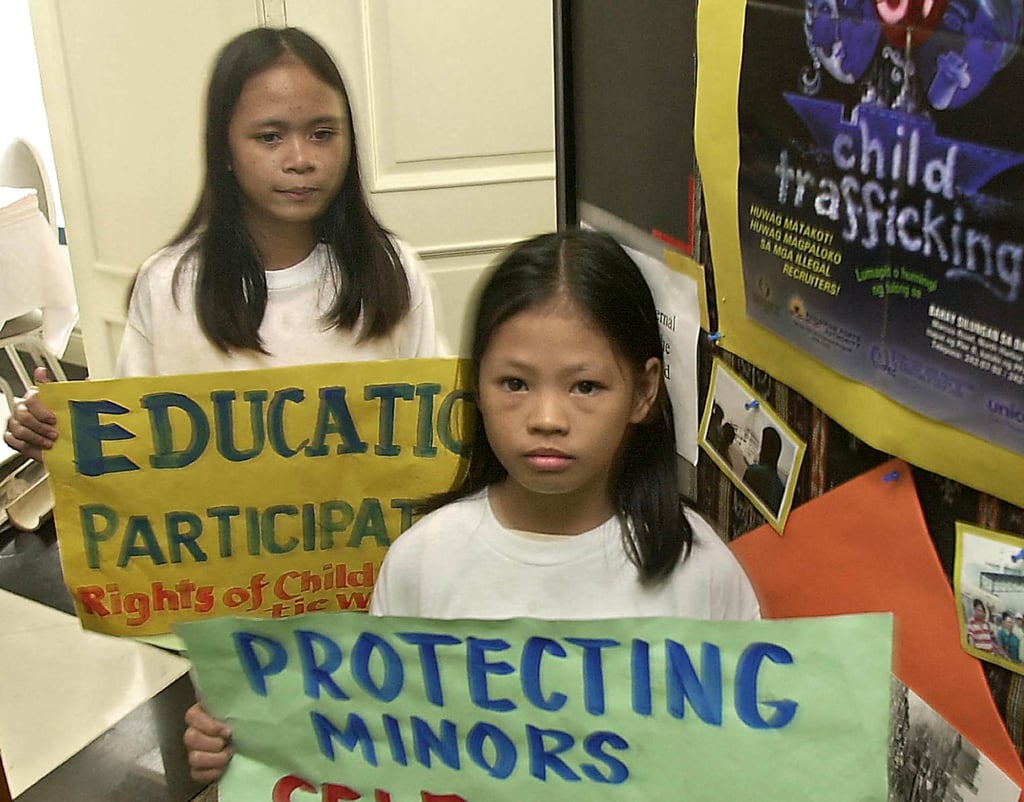
Pathfinder countries are expected to develop and implement improved legislation, national action plans and policies to address the issue.
The push to formalise a road map comes against the backdrop of the recent rescue of at least 120 children reportedly forced into labour in the southern Philippine region of Bangsamoro.
The children were found working in markets and selling items on the streets, either to meet their daily needs or to supplement their parents’ income, Bangsamoro Labour Minister Muslimin Sema said.
The children’s parents and guardians received 15,000 pesos (US$239) each through a rehabilitation programme, Sema said, as part of efforts to return them to schooling.
Over the past three years, the programme has helped nearly 4,000 child labourers across Bangsamoro.
A regional struggle
The challenge facing Manila reflects a wider issue across the Association of Southeast Asian Nations, where poverty, insecure livelihoods and barriers to education leave millions of children vulnerable to exploitation.
In April, the Philippine labour department said it had rescued 232,966 children from child labour over the past three years as part of a campaign to eliminate child labour in the country by 2028.
According to the department, the number of children engaged in labour fell to 509,000 in 2024, down from 828,000 in 2022.
“The decline is meaningful, but the remaining number is large because child labour is rooted in household poverty, insecure rural livelihoods, barriers to schooling and weak protection in informal work – not simply in parents’ choices or a lack of laws,” said Florence Flores-Pasos, an assistant professor at the University of the Philippines Diliman College of Social Work and Community Development.
Flores-Pasos said the 509,000 figure came from the Philippine Statistics Authority’s 2024 data and was slightly lower than preliminary estimates of 514,000.
Manila’s efforts to eliminate child labour began well before the Trump administration threatened tariffs under Section 301 investigations into forced labour, according to the International Labour Organization (ILO).
“The Philippines has been working for many years to eliminate child labour and forced labour,” an ILO representative said, adding that talks about becoming an Alliance 8.7 Pathfinder Country began several years ago, with the organisation providing technical support.
“As such, these efforts should be seen as part of a long-term process and commitment,” the UN agency added.
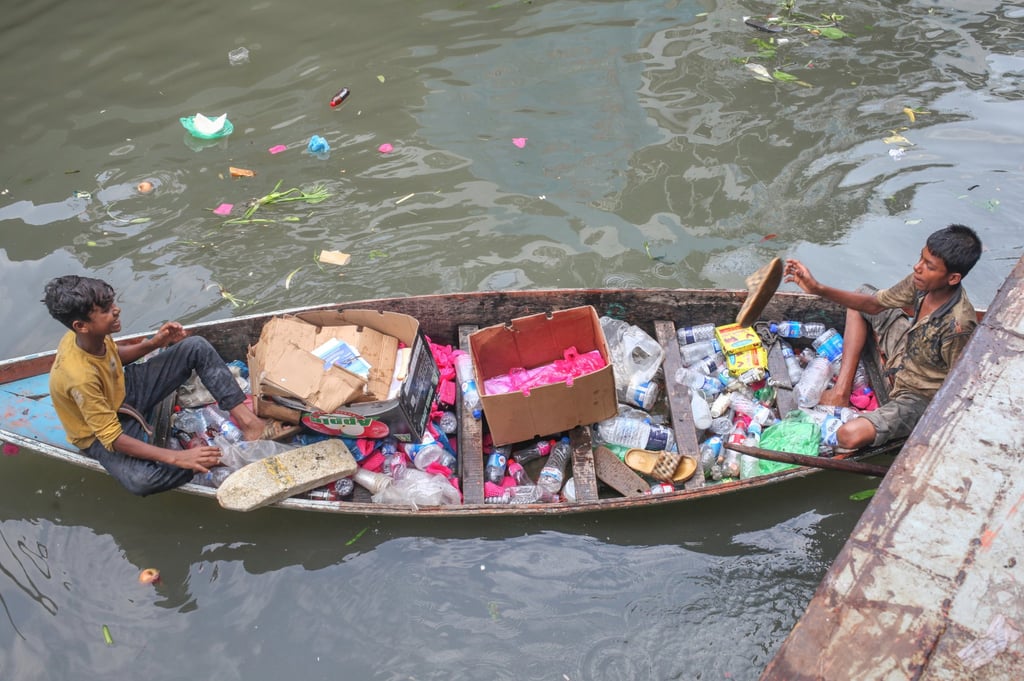
The challenges facing the Philippines are reflected elsewhere in Asia, where the worst forms of child labour persist, according to the ILO. These include slavery, commercial sexual exploitation, child trafficking for illicit activities such as the drug trade and hazardous work that threatens physical and mental well-being.
Across Southeast Asia, an estimated 5.6 million children are engaged in labour, with 3.7 million working in hazardous conditions, the ILO said.
“Child labour in the Philippines is driven by interconnected factors: poverty and insecure livelihoods, barriers to quality education, social norms, climate and other shocks, gaps in social protection and demand for cheap labour,” it said in a statement. “These challenges are compounded by informality and difficulties enforcing protections.”
In September, an ILO report on child labour in Myanmar found that economic vulnerability and limited access to education continued to drive children into work, particularly in agricultural and rural communities where children as young as 12 were engaged in hazardous work in construction, agriculture and other trades.
The report also found cases of children trapped in armed conflict, illicit activities and commercial sexual exploitation.
01:46
Child labour on the rise after 20 years of progress
Enforcement gaps
Against this backdrop, Flores-Pasos said the Asean road map provided a clear direction for the Philippines to translate into national programmes and local action.
“It is like a shared map for Southeast Asia. Each country still has to identify its own dangerous areas, choose the right routes, and provide the resources needed to reach the destination,” she said.
Flores-Pasos added that the regional framework identified human trafficking, commercial sexual exploitation, online exploitation, hazardous work and forced labour as shared concerns, with children in remote areas and informal sectors particularly vulnerable.
Across the region, children can be found working in agriculture, plantations, forestry, fishing, domestic work, construction, manufacturing, street vending and mining.
While the Asean road map had helped shape policy direction and inter-agency coordination, Flores-Pasos said its impact would depend on execution.
“The real test is implementation. A road map will only make a difference if it leads to more support for vulnerable families, better monitoring of informal workplaces, stronger action against traffickers and exploiters and safer access to education for children,” she said.
“Its success will depend on how consistently national agencies and local communities put those commitments into practice.”
KioskNews shows a cleaned-up reading view extracted from the publisher’s page — the original always lives on their site, not ours.