Once a $35 computer, the 2 GB Raspberry Pi 4 now costs $67.50
Pi 5 also gets a $12.50 bump as customers urged to consider older models or less RAM
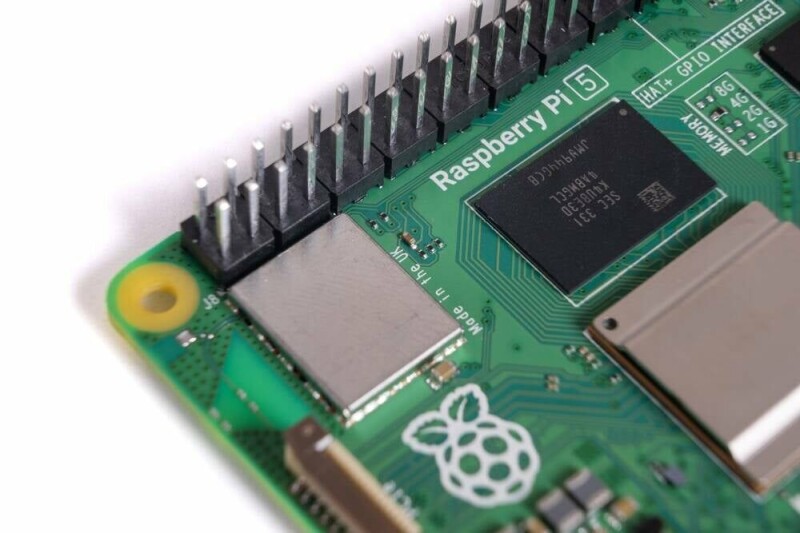
Raspberry Pi has raised prices for the 2 GB Pi 4 and Pi 5, citing rapidly rising memory costs.
Both models now cost $12.50 more, taking the 2 GB Pi 4 to $67.50 and the equivalent Pi 5 to $77.50. Readers with long memories may recall the $35 Pi 4. Its price "temporarily" rose to $45 during the pandemic and has since climbed further.
The board maker reported a 90 percent increase in first-half revenue to $256.9 million, while gross profit rose 79 percent to $59.4 million. Gross profit per board increased 53 percent to $12.20, helped by price rises and stocks of memory bought at lower prices in 2025. Raspberry Pi says that inventory advantage has largely been exhausted.
REG AD
Its advice to customers facing higher prices is to consider older models, such as the Pi 3B, 3A+, or 3B+, and check how much RAM their projects actually need.
REG AD
Price rises have become a way of life for Pi customers. In April 2026, much of the Pi 4 and Pi 5 range saw substantial price increases. A 16 GB Pi 5, for example, currently costs $305 at PiShop – a far cry from its $120 launch price in January 2025, when we wondered whether even that was a bit steep for a Pi.
The 2 GB Pi 4 and Pi 5 escaped April's increases, but that reprieve has ended. Prices for other products remain unchanged, including the 1 GB Pi 4 and Pi 5 and the 2 GB Compute Module 4 and 5.
The latest round of increases comes as enthusiasts and vendors alike ponder ways to upgrade the memory soldered to the boards. Raspberry Pi engineer Phil Elwell took to the firm's support forums earlier this year to state that newer firmware locked the devices to their original RAM capacity.
Pi boss Eben Upton said: "The price of memory will eventually subside, and we look forward to reversing our own price increases when it does."
Customers may be waiting a while. Micron CEO Sanjay Mehrotra warned earlier this week that RAM shortages would persist into 2028 and possibly beyond.
He added: "We do not have line of sight to when supply and demand will return to balance." ®
KioskNews shows a cleaned-up reading view extracted from the publisher’s page — the original always lives on their site, not ours.