Initial drug tests of 2 more Air India pilots ‘non-negative’, confirmatory test results awaited
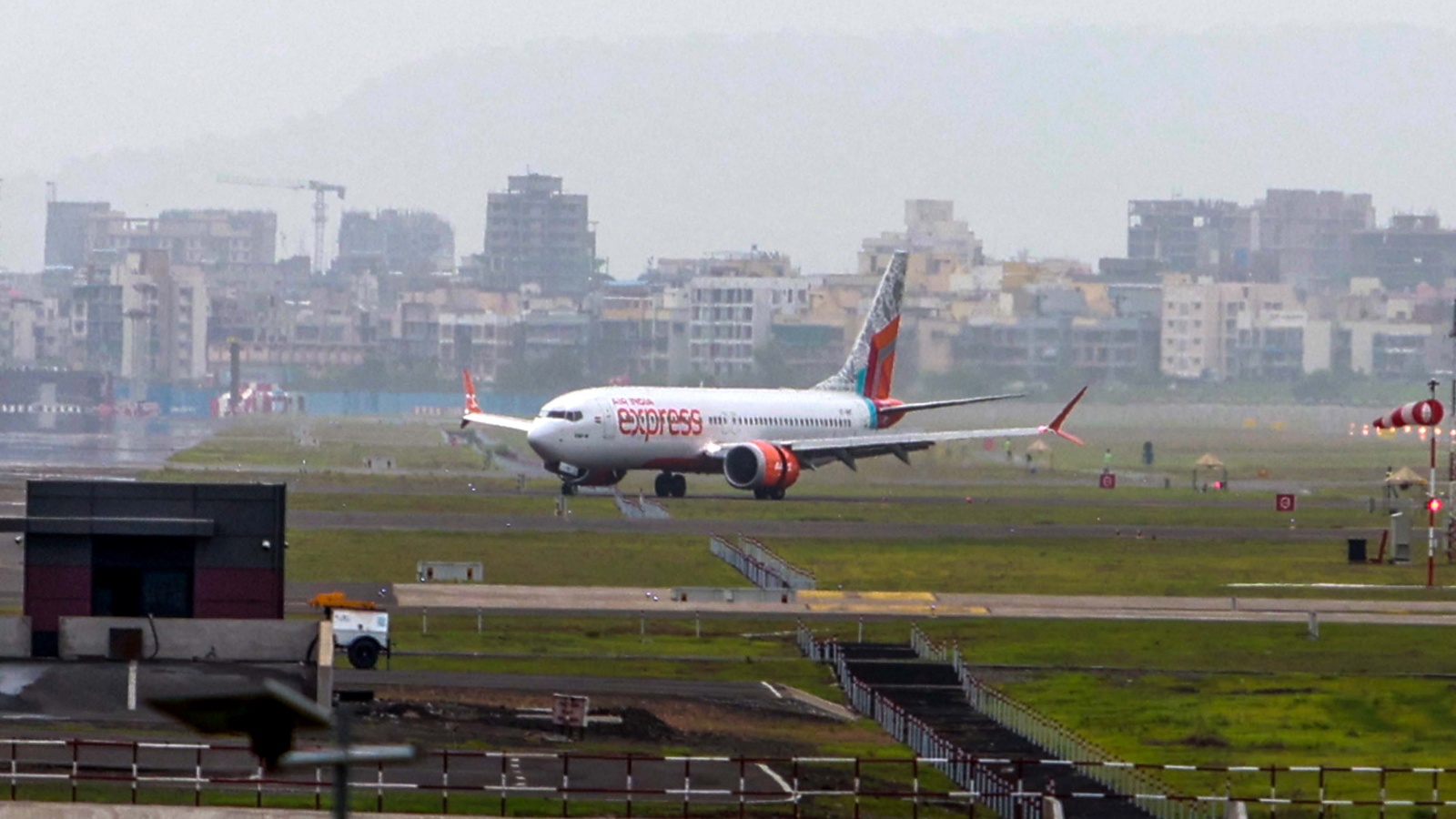
An Air India Airbus A320 aircraft — VT-EXO — operating a flight from Phuket to Delhi on August 4 encountered a sudden altitude drop of about 300 feet and caused injuries to 20 passengers and four cabin crew members, and 17 of the 24 had to be hospitalised. (Source: Express Archives/ Representational)
The initial drug screening tests of two more Air India pilots have given ‘non-negative’ results, and their samples have been sent for confirmatory testing with final results awaited, according to sources in the know. After the pilot-in-command of the Phuket-Delhi Air India flight — that was involved in a sudden altitude drop incident on August 4 — tested positive for marijuana, the airline had on Thursday (August 13) initiated the process of a mandatory one-time dope test on all of the 5,000-odd pilots of Air India and Air India Express. Nearly 400 pilots have been tested so far, it is learnt.
As per norms, the two pilots whose screening returned non-negative results have been off-rostered, pending the confirmatory test reports. A confirmatory drug test is mandatory following a non-negative initial test as the preliminary screenings can yield false positives due to consumption of medicines or food, or due to technical errors.
This one-time testing exercise being done by the Air India group is beyond the requirements listed in the Directorate General of Civil Aviation’s (DGCA) rules on testing for psychoactive substances.
“As you know, Air India already fully complies with all regulatory requirements prescribed by India’s DGCA, which are similar to those practiced in other major aviation jurisdictions including Europe and the United States. We nevertheless now feel that it is important to go further. Accordingly, we have decided to undertake a full screening of all Group pilots for any substances or medications that are not permitted under prevailing regulations. This testing is mandatory and will start today, 13 August 2026,” the airline had said in an internal message to group pilots.
Together, Air India and Air India Express have about 5,000 pilots and a fleet of nearly 300 aircraft. According to sources, the testing is being done in a bid to ensure the highest standards of safety, and to assure the flying public and industry stakeholders.
As per the DGCA Civil Aviation Requirements (CAR) on testing for psychoactive substances, random dope tests on 10% of the flight crew, other pilots, and air traffic controllers are mandatory each year. Apart from the routine random testing, these tests are also usually done after a safety-related incident, as is the case with the Air India Phuket-Delhi flight of August 4.
An Air India Airbus A320 aircraft — VT-EXO — operating a flight from Phuket to Delhi on August 4 encountered a sudden altitude drop of about 300 feet and caused injuries to 20 passengers and four cabin crew members, and 17 of the 24 had to be hospitalised. The aircraft had 137 passengers, six cabin crew members, and two pilots on board. The incident was classified as a serious incident and is under investigation by the Aircraft Accident Investigation Bureau (AAIB).
Story continues below this ad
The government and the airline had initially attributed the incident to severe turbulence. Conduct of the pilots is also under scanner, particularly in view of the PIC testing for marijuana, as per sources. It is not clear when the substance was consumed, or whether he was operating the flight under drug influence.
Moreover, the Airbus A320 jet also faced multiple snags with the aircraft’s hydraulic and control systems in quick succession at the time of the incident, which is being investigated by the AAIB as a possible cause, it is learnt. Aircraft manufacturer Airbus and French aviation accident investigation authority BEA are assisting in the investigation.
According to sources, the PIC informed the authorities after the incident that he was on medication for sleep difficulty, as prescribed by his family doctor. He is also learnt to have informed the authorities that he was standing behind the co-pilot’s seat at the time of the incident, and was not at the aircraft’s controls.
The DGCA’s Civil Aviation Requirement (CAR) on testing aviation personnel for drug consumption was released in September 2021 and took effect on January 31, 2022. While pilots and air traffic controllers are seen as the primary focus segments of these rules, they also extend to the broader range of aviation personnel engaged in safety-sensitive functions, like aircraft maintenance engineers and certifying staff, trainee pilots, and instructors and examiners.
Story continues below this ad
The DGCA rules state that urine samples of the employees are to be tested for the presence of the six categories of psychoactive substances — amphetamine and amphetamine-type stimulants, opiates and metabolites, cannabis as tetrahydrocannabinol, cocaine, barbiturates, and benzodiazepine.
The urine sample of the employee on whom the test is being conducted is to be split and stored in two separate containers. The testing process begins with a screening test on the sample in the first container, which is done immediately after the sample is collected. If this initial test is ‘non-negative’, which means it is indicative of the presence of psychoactive substances, the pilot is immediately taken off flying duty, pending the results of a confirmatory test.
The sample in the second container is then sent for the confirmatory test at a designated laboratory using high-complexity instrumentation, involving using either gas chromatography/mass spectrometry (GC/MS) or liquid chromatography-mass spectrometry (LC-MS). If the confirmatory test is positive, the medical in-charge of the concerned organisation is required to consult a medical review officer (MRO) to determine if the positive result was due to a legitimate therapeutic treatment or some other innocuous source, and not drug abuse. For instance, pain relief medication containing codeine may trigger a positive result for opiates.
If the MRO confirms the result is a positive case of drug use, there is an escalation ladder of disciplinary actions that comes into the picture. If it is the first occasion of a positive drug test, the employee is referred by his or her organisation to a specialist doctor, counsellor, or de-addiction centre for a rehabilitation programme. To return to active duty, the employee must undergo new testing, receive a negative report, and obtain a fitness certificate from the organisation’s medical in-charge.
Story continues below this ad
If the employee who returned to duty after a first offence is found positive again, his or her license is suspended for three years. A third positive test result leads to the cancellation of the person’s license.
© The Indian Express Pvt Ltd

Sukalp Sharma is a Deputy Associate Editor with The Indian Express and writes on a host of subjects and sectors, notably energy and aviation. He has over 16 years of experience in journalism with a body of work spanning areas like politics, development, equity markets, corporates, trade, and economic policy. He considers himself an above-average photographer, which goes well with his love for travel. ... Read More
KioskNews shows a cleaned-up reading view extracted from the publisher’s page — the original always lives on their site, not ours.