Divers uncover ancient treasures linked to Roman giant who helped shape American history
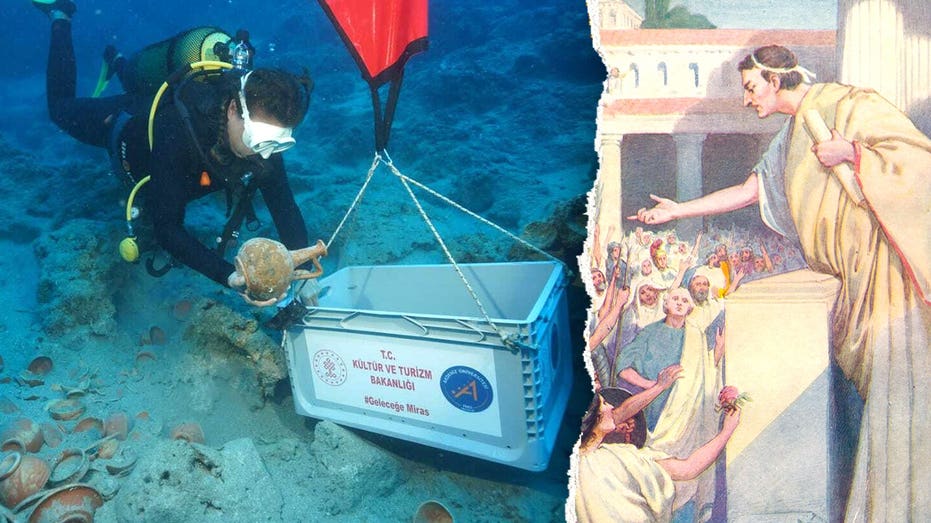
A 2,100-year-old shipwreck off the coast of Turkey has revealed thousands of luxury dishes of a type once prized by Cicero, the famed Roman statesman whose writings later influenced America's Founding Fathers — with an expert calling the find "quite rare."
The recovery was recently announced by Turkish officials, the state-run Anadolu Agency (AA) reported Sept. 28.
Pictures show divers working among piles of ancient pottery, with ceramic plates and bowls scattered across the sandy seabed.
ONE OF HISTORY'S MOST FAMOUS SAYINGS ABOUT ROME MAY BE WRONG, NEW STUDY SUGGESTS
The artifacts include 122 different forms and sizes of plates, bowls and trays, including dishes used for nuts, soup and fish.
Researchers believe the ship was traveling from Rhosus to Rome when it struck a shallow area during a storm and sank, according to AA. The wreck lies about 138 to 180 feet below the surface.
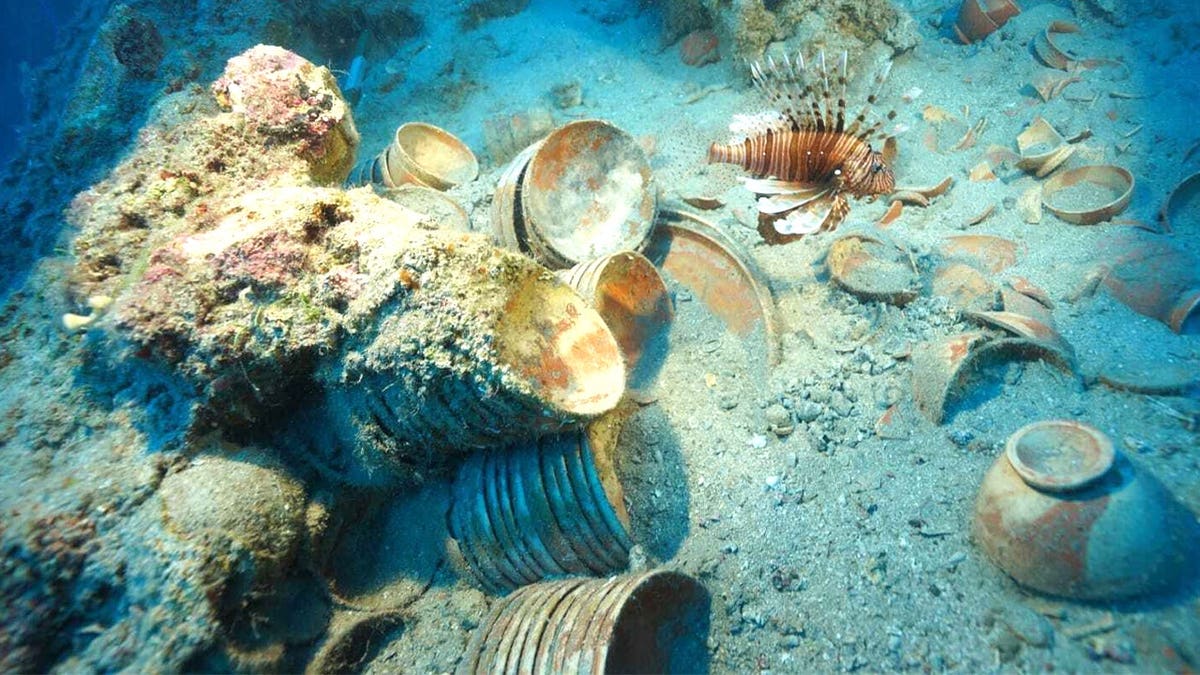
A 2,100-year-old shipwreck discovered off the coast of Turkey contained thousands of luxury ceramic dishes linked to ancient Roman trade. (Turkish Culture and Tourism Ministry/Anadolu via Getty Images)
The discovery is particularly significant because the ceramics are believed to have originated in Rhosus, a production center mentioned in the writings of Cicero — though there's no evidence that the recovered dishes belonged to Cicero himself.
Cicero, one of ancient Rome's most celebrated orators and politicians, significantly influenced the U.S.' Founding Fathers, especially Thomas Jefferson and John Adams.
DIVERS UNCOVER HUNDREDS OF ANCIENT RELICS NEAR SHIPWRECK UNTOUCHED FOR 2,100 YEARS
In a letter to his friend Atticus in 50 B.C., the statesman wrote that he had ordered ceramic vessels from Rhosus for him, according to AA.
Taco Terpstra, a professor of classics and history at Northwestern University, told Fox News Digital that the discovery offers an unusual opportunity to connect ancient artifacts with historical writings.
The ancient shipwreck contained luxury tableware of a type once prized by Cicero, pictured right. Cicero was the Roman statesman who influenced America's Founding Fathers. (Turkish Culture and Tourism Ministry/Anadolu via Getty Images; The Print Collector/Getty Images)
"It's unusual that we have so much of this type of ceramic," Terpstra said.
DAMAGED FRAGMENT DEEMED 'UNREMARKABLE' TURNS OUT TO BE RARE PIECE OF HOMER'S 'ODYSSEY' HISTORY
He explained that coins found aboard the ship help researchers date the wreck, while the pottery can be traced to a production region in what is now southern Turkey and northern Syria.
"This is for a high-end market, which is one reason why Cicero talks about these."
The combination of archaeological evidence, ancient coins and historical writings makes the discovery especially rare, he said.
CLICK HERE TO SIGN UP FOR OUR LIFESTYLE NEWSLETTER
Terpstra also described the ceramics as "the equivalent of fine china" today.
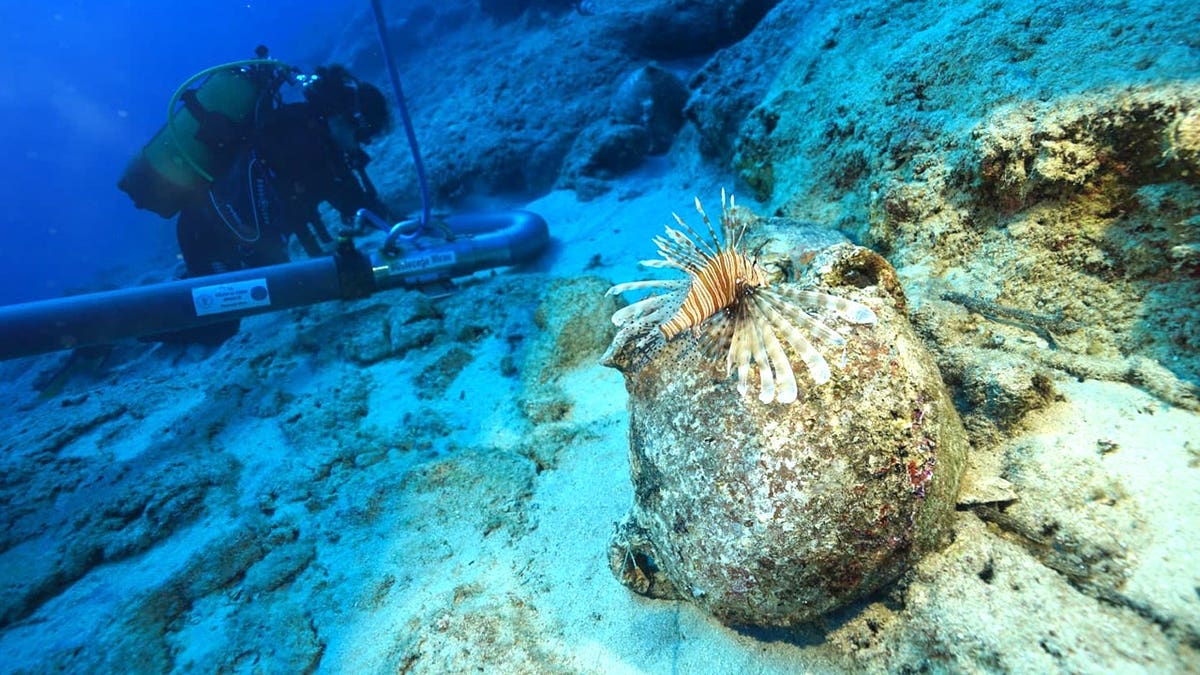
The shipwreck lies approximately 138 to 180 feet beneath the surface off Turkey's coast, according to the state-run Anadolu Agency. (Turkish Culture and Tourism Ministry/Anadolu via Getty Images)
"This is not ordinary tableware," he said. "This is not the kind of stuff that ordinary Romans would have on their table."
CLICK HERE FOR MORE LIFESTYLE NEWS
"This is for a high-end market, which is one reason why Cicero talks about these."
Turkish Culture and Tourism Minister Mehmet Nuri Ersoy said the ceramics were remarkably well-preserved because clay had been packed between them before they were placed in wooden crates — a detail that caught Terpstra's attention.
TEST YOURSELF WITH OUR LATEST LIFESTYLE QUIZ
The historian suggested the material may have been unfired clay, although he noted that the report did not specify its exact form.
"I imagine they meant unfired soft clay, which, when the ship went down, preserved the ceramics to a very high degree," Terpstra said.
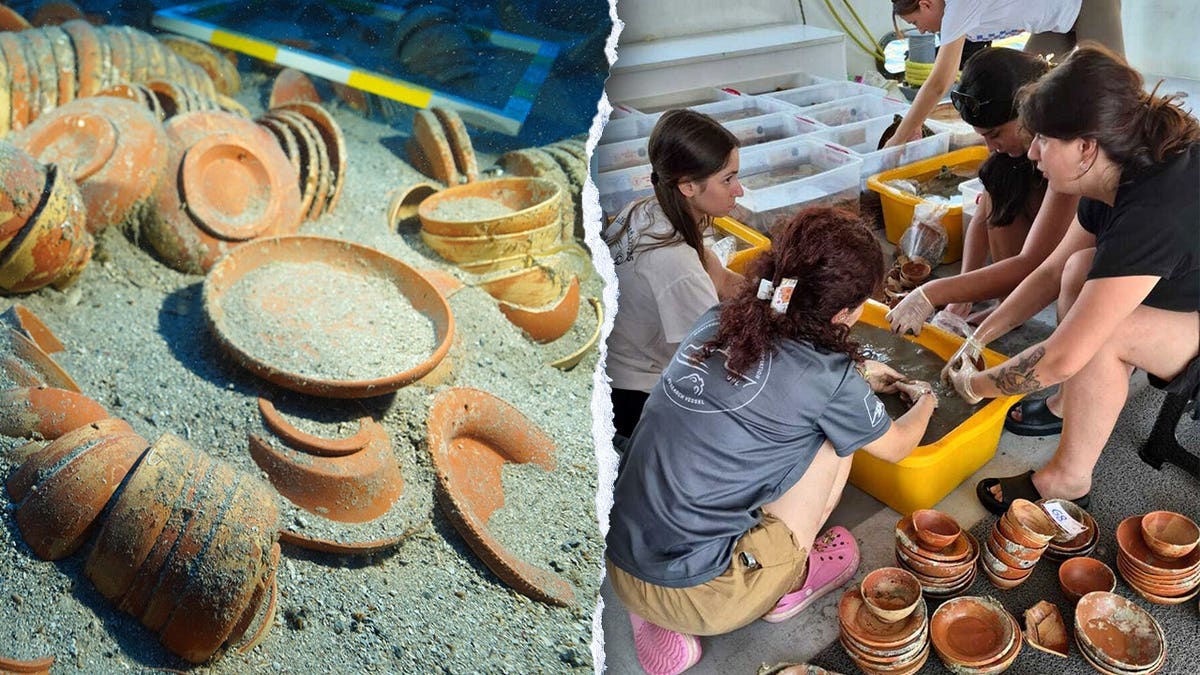
Turkish officials said clay packed between the ceramic dishes before shipment helped preserve the artifacts after the vessel sank. (Turkish Culture and Tourism Ministry/Anadolu via Getty Images)
Terpstra added that, while Roman shipwrecks in the Mediterranean are "quite common," the convergence of historical evidence makes this find exceptional.
CLICK HERE TO DOWNLOAD THE FOX NEWS APP
"It's quite rare for all of it … [all] the lines of evidence to come together, like monetary, archeological, literary," Terpstra said.
KioskNews shows a cleaned-up reading view extracted from the publisher’s page — the original always lives on their site, not ours.