Tories call for ‘dangerous’ screen time to be limited in classroom
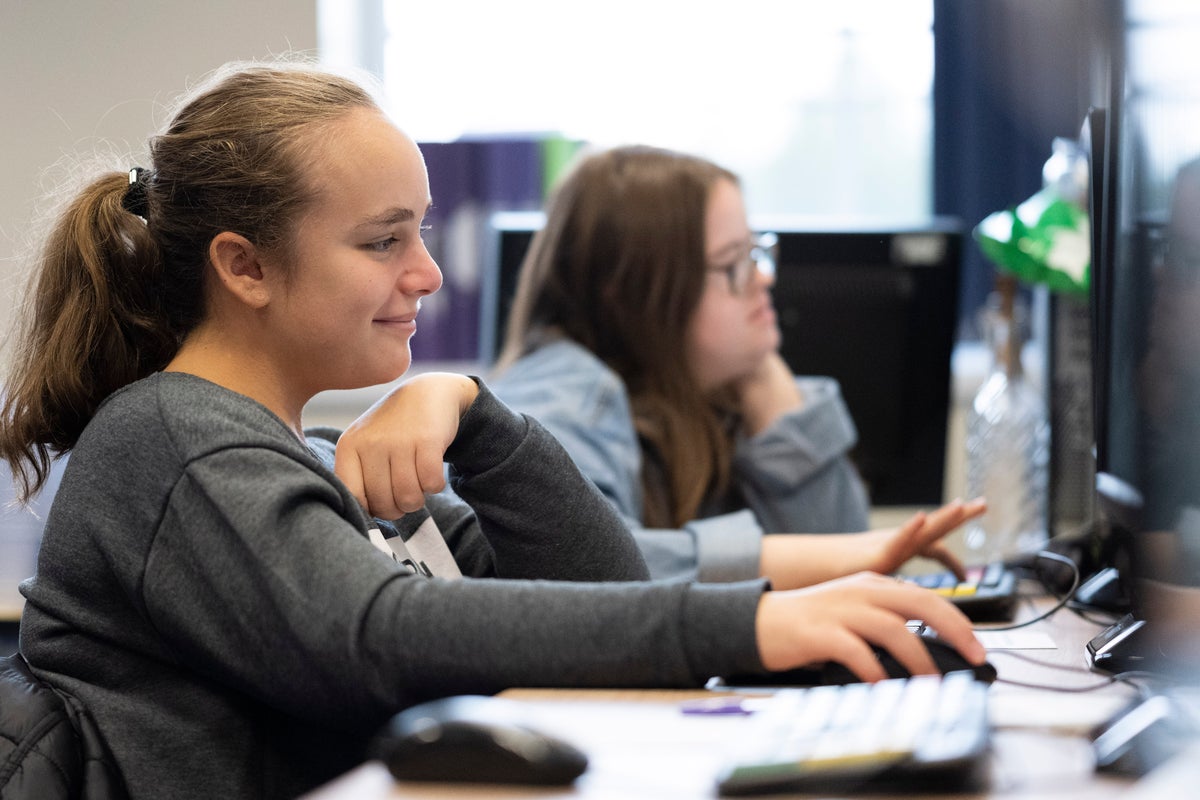
The use of screens in the classroom is posing a “danger” to children’s health and must be limited, the Conservatives have said.
The party is backing guidance drawn up by health professionals which argues that screens should only be used when it is necessary to meet the requirements of the national curriculum.
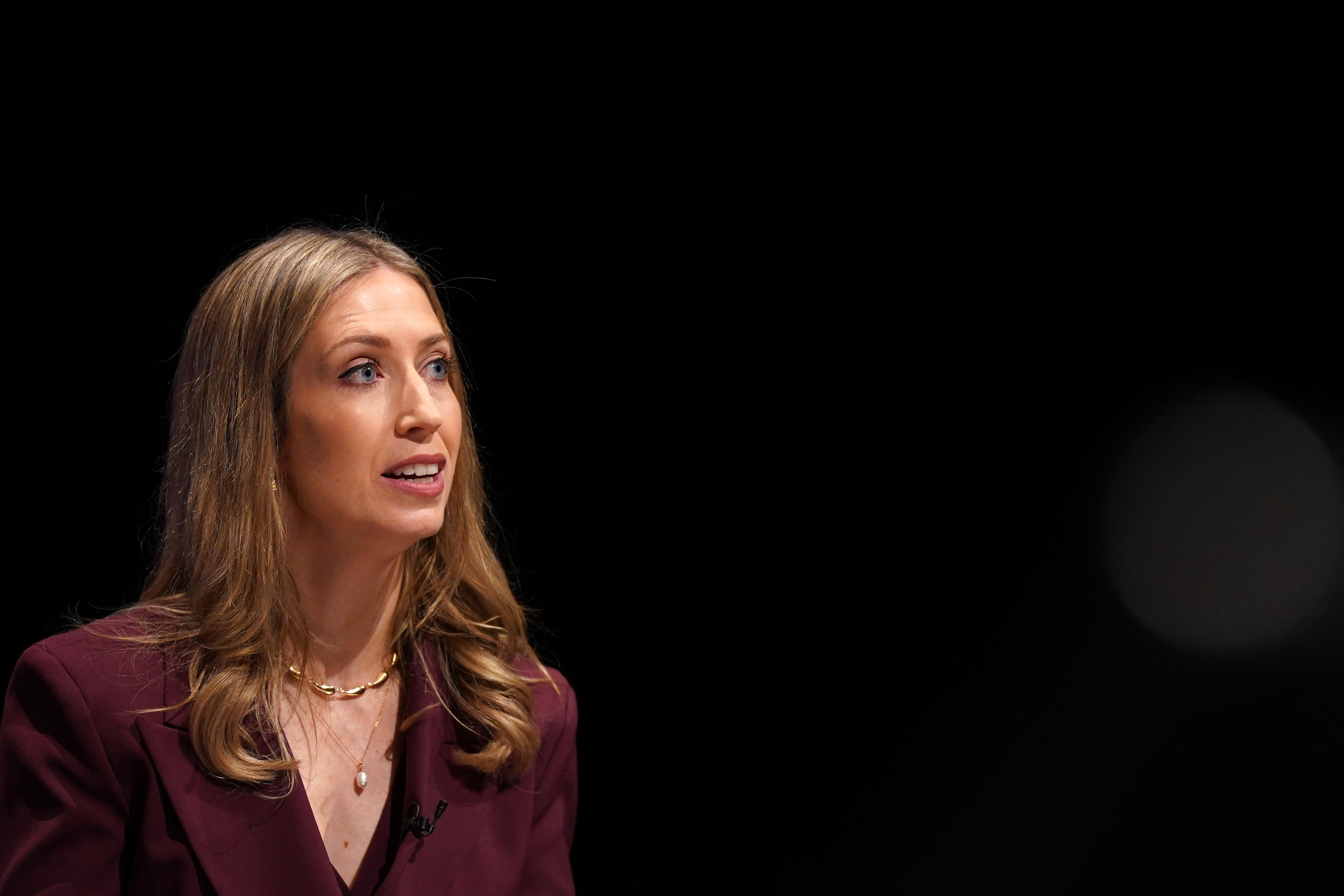
Shadow education secretary Laura Trott said screens were doing “real damage” to children and creating a distraction for pupils.
She told The Times: “Screens themselves pose danger to a child’s health, their happiness and their learning. It’s extraordinary actually that within the law, adults have a legal right to break from screens, but we haven’t examined this at all where it comes to children.
“And yet there are some children who are literally spending all their time at school on a screen and then they go home and they do a couple of hours on a screen as well.
“Everything we let into schools should be safe and should improve standards. That sounds like a very simplistic statement but that has not happened over the past decade or so.”
Campaign group Health Professionals for Safer Screens, whose guidance is backed by the Tories, found that nearly one million school children were learning from screens during most lessons, while around 2.6 million were using screens on a daily basis.
It says screen use should be “minimal” in primary schools and limited to two hours a day in secondary school. It also recommends that children in early years education have no screen time at all.
The group wrote to education secretary Lucy Powell and health secretary Yvette Cooper in October to warn of the dangers to “physical and developmental health” in the classroom.
In an open letter, a group of more than 150 clinicians said they were prescribing glasses, hearing aids and speech therapy to children “for a problem that is unintentionally being made worse in our schools”.
Becky Foljambe, from Health Professionals for Safer Screens, said: “We worry about school meals and sport, as part of ensuring children are in the best possible health in their learning environment and yet we are throwing caution to the wind with these screens, which we now know are adversely impacting on children’s development and their learning.”
The government has said it will issue guidance on the use of screen time in the classroom next year.
It also brought in stricter rules this week banning pupils from having mobile phones in their bags or pockets while at school in England.
Ms Trott told the newspaper: “What I want to do is turn attention to the screen creep we’ve seen in schools. The argument I am making today is that too much time on screens, regardless of content, is damaging for children.
“I think there was a pervasive view in the last decade that screens in schools were a good thing. That when you walked into a school, if you saw a suite of very jazzy computers and personal iPads for children, then that was a positive thing about the standard of the school. And actually nobody’s asked the question is this better than a textbook?”
A spokesperson for Ms Powell said: “The Conservatives had 14 years in government to get to grips with the challenges technology presents for childhood, and did nothing. Of course, the conversation about children’s relationship with screens is an important one, and we need to get it right.
“But this has to be about more than screen-time limits. It’s about reimagining childhood and making sure children have the opportunities, encouragement and space to read, play, learn and spend time together away from screens.
“Building on the guidance we’ve already produced for under-fives, this Labour government will bring forward clear guidance on screen time for all kids in the new year, giving parents and teachers the reassurance and practical advice they need.”
KioskNews shows a cleaned-up reading view extracted from the publisher’s page — the original always lives on their site, not ours.