Israel's 26th Knesset must tackle urgent national needs as coalition talks drag on - editorial
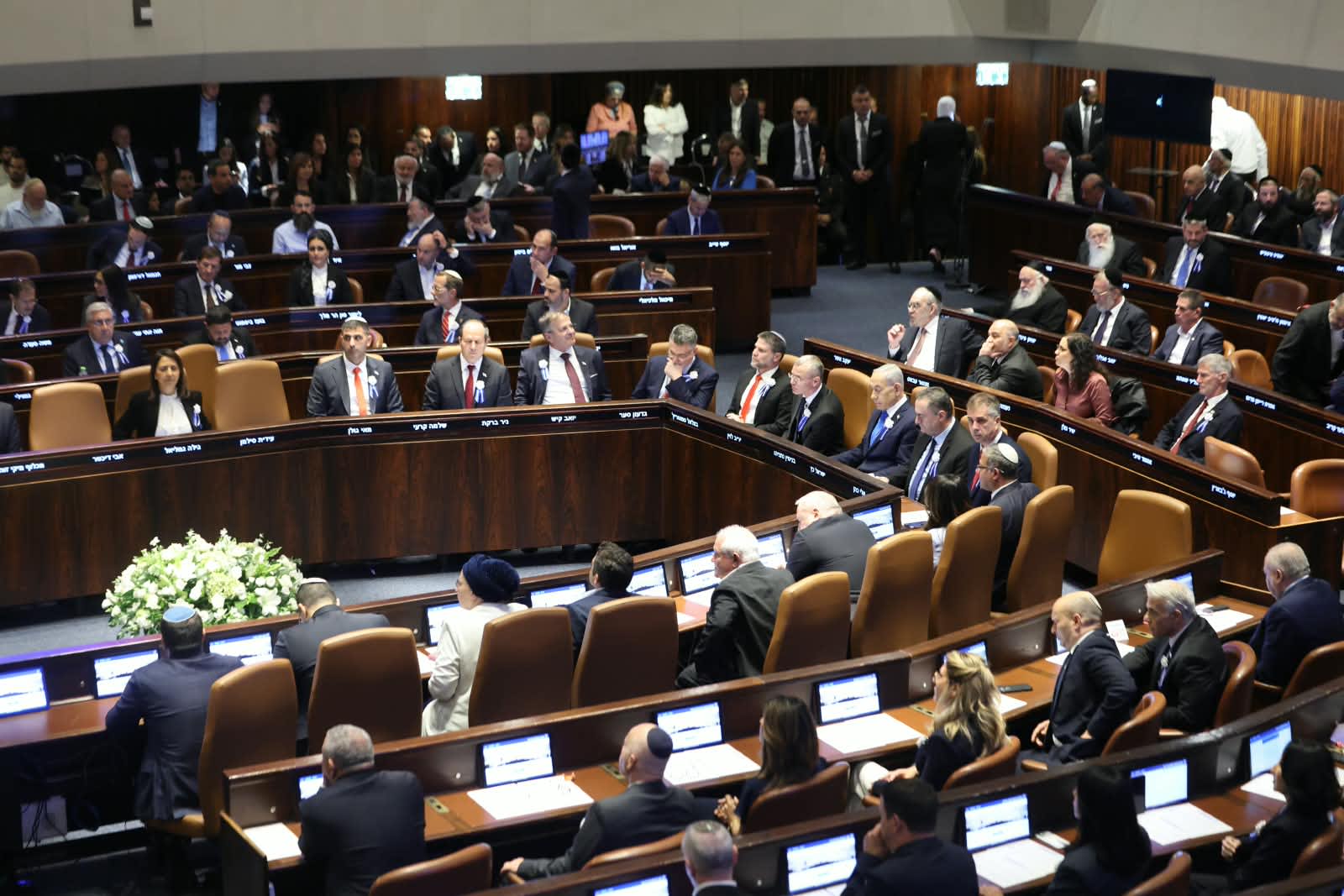
The new Knesset was sworn in on Tuesday, marking the start of another parliamentary term and potentially a new chapter in Israeli politics.
Politicians have spent the past several months negotiating, maneuvering, making demands, drawing red lines, and trying to work out who will sit with whom in the next government – all unavoidable parts of the democratic process in Israel.
Whether MK Gadi Eisenkot succeeds in forming a government, whether the haredi (ultra-Orthodox) or Arab parties eventually join him, and whether Prime Minister Benjamin Netanyahu manages to remain in power are questions that will be answered in the coming weeks.
None of them, however, should prevent the country’s elected representatives from getting down to business.
The unique political circumstances may have complicated the Knesset’s composition and forming a coalition a challenge, but they have created an opportunity to advance legislation and address issues that affect Israelis every day while negotiations continue.
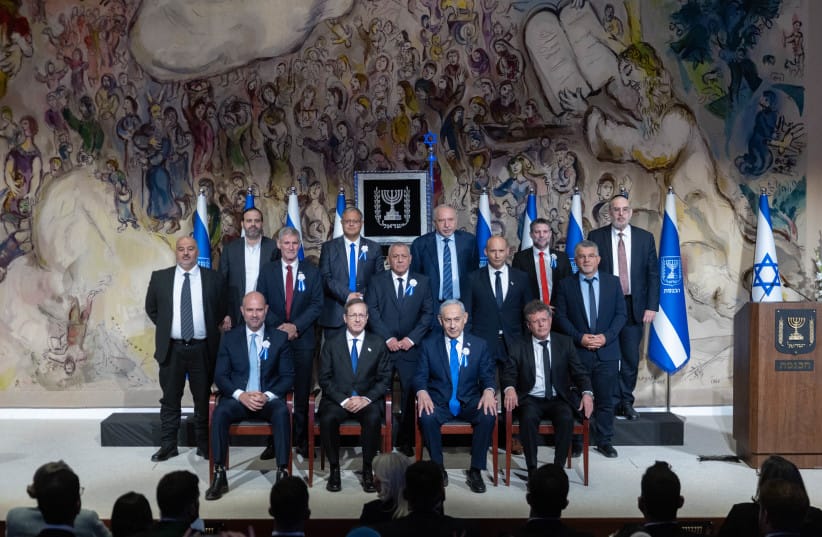
Urgent national challenges demand cooperation across political divides
There are issues on which lawmakers from across the political spectrum should be able to agree, or at least find common ground: the need for a sustainable military conscription framework, the fight against rampant crime in the Arab sector, the rehabilitation of communities affected by the war, the cost of living, and the restoration of public trust in state institutions are not exclusively left-wing or right-wing concerns.
Unfortunately, the first day of the new Knesset offered little encouragement that this kind of cooperation is on the horizon. Instead of using the occasion to set a different tone, lawmakers quickly fell into familiar patterns of hostility and provocation.
National Security Minister Itamar Ben-Gvir interrupted Joint List leader MK Yousef Jabareen as he took the parliamentary oath, accusing him of pledging allegiance to Hamas.
Democrats MK Gilad Kariv walked out of the plenum during Knesset Speaker Amir Ohana’s speech, accusing him of giving a politicized address attacking Arab lawmakers and their voters.
Later, Joint List lawmakers walked out of the plenum as “Hatikvah” was played, drawing condemnation across the political spectrum for their apparent disregard for Israel’s national anthem.
The ceremony, which should have represented the beginning of a new parliamentary chapter, became another stage for political point-scoring.
Netanyahu's unity appeal clashes with criticism of Arab parties
Netanyahu’s speech was no less disappointing. While calling for a national unity government, he simultaneously cast Arab parties and their potential partners as people who wanted to destroy the Jewish state.
It is difficult to preach unity while using a national occasion to deepen the divisions that make it so hard to achieve. Eisenkot was right to criticize the address as divisive. A call for unity cannot simply be a demand that political opponents accept the other side’s terms.
There is, of course, a legitimate debate to be had about the political and ideological differences between Arab and Zionist parties, including the circumstances under which Arab parties could be active in governing the state.
But they should not become an excuse to dismiss the voters who elected those representatives, or to treat every political disagreement as an existential threat.
President Isaac Herzog offered a more appropriate message when he urged the new Knesset to avoid another election and reminded lawmakers that Israelis are yearning for routine, security, and tranquility.
His words are a reminder that the public does not necessarily expect agreement on everything, but a willingness to recognize that the country is bigger than any one party or political leader.
The coming weeks will inevitably be dominated by coalition negotiations. Eisenkot has a difficult task ahead, and Netanyahu will not give up his position without a fight.
Israel's new Knesset must put public service ahead of political battles
But the 26th Knesset has an opportunity to show Israelis that politics can amount to more than the pursuit of power and political point-scoring. It can begin by doing the job for which its members were elected.
Lawmakers have already begun submitting bills to the Knesset. Some may be little more than pipe dreams with little chance of passing, while others could lay the groundwork for genuine, good-faith discussions across party lines.
It is unclear how many will ultimately pass without the backing of a government coalition commanding at least 61 seats. But the opportunity is there for the new MKs to debate legislation on its merits and find common ground on what is best for the country.
KioskNews shows a cleaned-up reading view extracted from the publisher’s page — the original always lives on their site, not ours.