Unsung turtle conservation heroes in Malaysia’s Sabah unite to fight poachers
Roziah Jelali has a tip or two on catching a turtle poacher: carrying a pair of binoculars and having patience in spades are key to doing the job well.
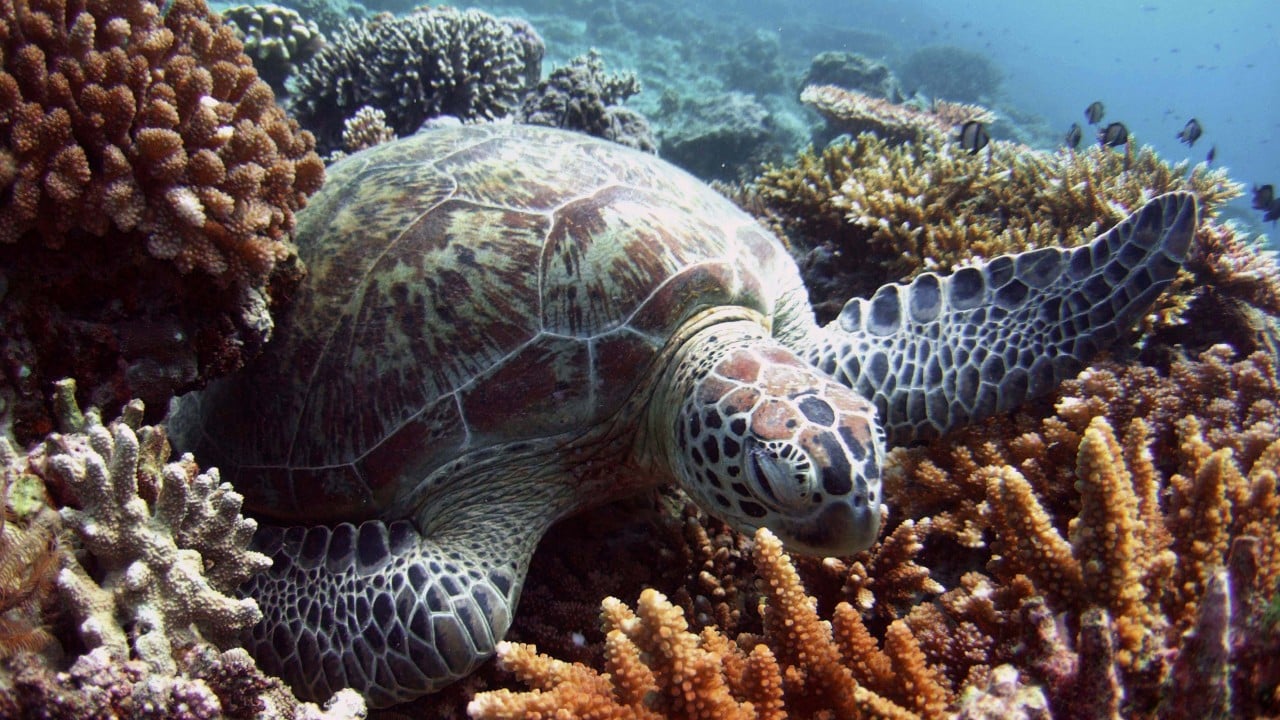
The 36-year-old Malaysian volunteer ranger once spent three months in Sabah tracking a man whom she suspected of illegally capturing protected turtles. Once thriving off the azure seas of Omadal Island in the Malaysian state, many turtles had been hunted down, killed and sold for their meat, according to conservation experts.
Recounting the 2023 incident, Roziah said she patrolled the beach from dawn daily to keep an eye on the poacher. She would scribble detailed notes on her target’s movements at her stilted home, backed by tips from her network of part-time conservationists on nearby islands.
“Every day after my patrol, I would sit near my house with my binoculars and watch him. He was initially operating on Bum Bum Island, then he came to Omadal,” Roziah told This Week in Asia.
“He would kill the turtle at sea, then when he returned, he would cut it open and cook it on the boat.”
Her careful surveillance led to the rescue of a live turtle and a crackdown against an illicit ring selling turtle meat in the waters of Omadal and the town of Semporna.
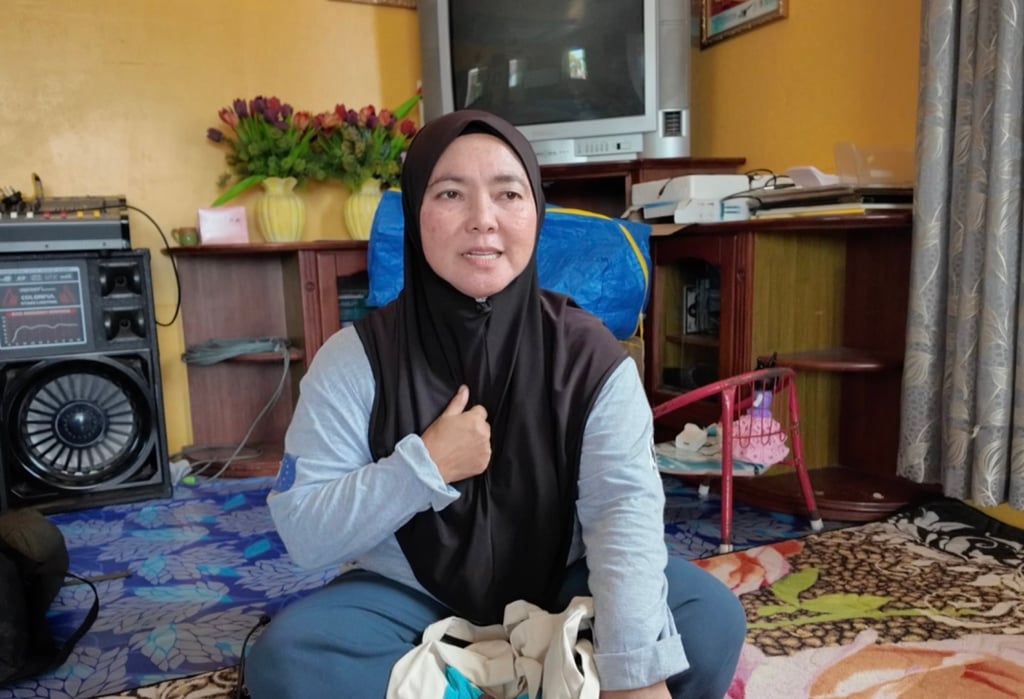
Using Roziah’s information, wildlife officials caught the poacher and an accomplice. They were accused of illegally catching five turtles, four of which were butchered for their meat.
Roziah did not learn the anti-poaching skills on her own. She received training from Sabah’s Wildlife Department and WWF-Malaysia while learning more about the rich biodiversity off the state’s east coast, such as the seagrass, sea grapes and green turtles.
She and four other women are part of a volunteer watchdog committed to protecting the marine life that once thrived around Omadal Island but has been threatened with extinction due to poaching. They are also adept at craftwork, regularly weaving pandan leaves into mats and baskets.
Their husbands also have strong links with the sea, as its sustainability is crucial to their jobs as fishers.
As volunteers with the Women’s Association of Omadal Island (WAPO), the women would share findings with their peers.
According to WAPO chairwoman Sitti Rasah Haji Abdul, the association has not recorded any turtle landings on Omadal and other nearby islands since last year. In the past, turtles would lay their eggs in guarded hatcheries, and this would help prevent attacks by predators like monitor lizards or theft by villagers.
While Sitti is disappointed about the disappearance of nesting turtles, she is determined to do her part to bring about their safe return.
02:59
The global DNA database fuelling Malaysia’s green turtle comeback
Widespread illegal trading
Sea turtles have been a fully protected species under Sabah’s wildlife conservation laws since 1997.
According to marine life experts, the presence of these turtles is a key sign of a healthy marine environment. Through their grazing, green turtles contribute to the growth of seagrass meadows, which store carbon that is biologically essential for fish and shellfish. Nesting turtles also help move nutrients from the sea onto beaches and keep jellyfish populations in check.
But the threat of illegal trading faced by turtles extends beyond Malaysia’s Borneo shores.
The waters surrounding Sabah form part of the trafficking corridor spanning the Sulu-Celebes Seas between Malaysia, the Philippines and Indonesia, according to the wildlife trade monitoring group Traffic.
Turtle eggs are particularly prized by poachers, according to Elizabeth John, Traffic’s communications manager.
The Sulu-Celebes Seas accounted for most of the illicit wildlife trade activities involving turtles between June 2003 and September 2021, according to the latest available data in a Traffic report released in 2023.
“Our records from that study period showed cases of stockpiled dead green sea turtles, the discovery of live hawksbill turtles with missing scutes in the north of Sabah and other turtle parts seized several times in the Semporna district,” John said.
While Sabah’s law enforcement agencies have been active, the state continues to be a hotspot for illegal turtle trade.
“The seizure cases in Semporna district included people from island communities instructed by middlemen to poach turtles at turtle foraging grounds,” John said.
In November last year, police and wildlife authorities raided premises in Semporna and seized 570 hawksbill turtle scutes weighing 17.8kg (39lbs) and valued at US$3,450, believed destined for the black market. They arrested two people, including a foreign national.
Daunting challenge
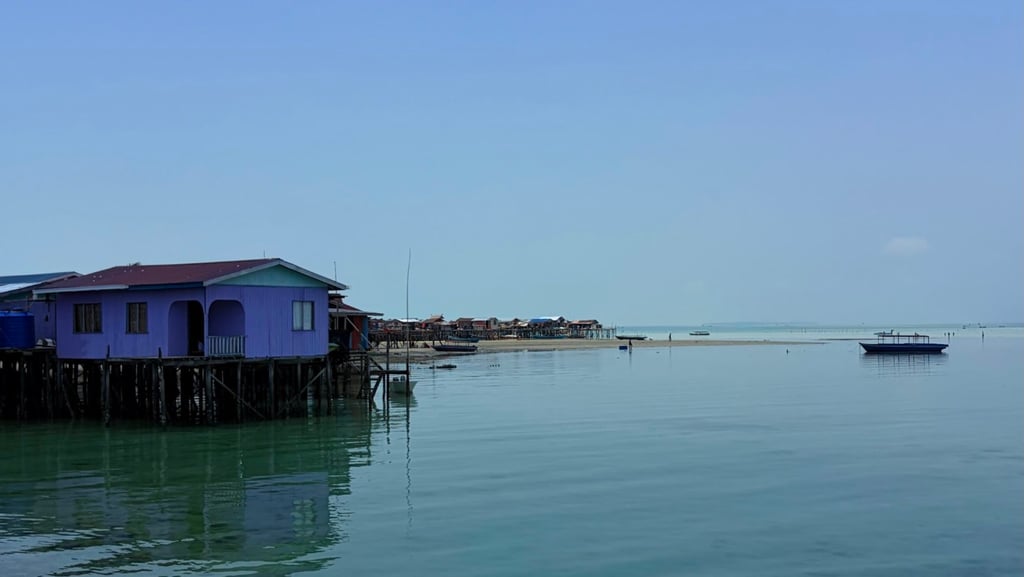
Between eastern Sabah and the southern Philippines, the Celebes-Sulu Sea provides ready cover for wildlife criminal gangs to hide among fishers, cargo and passenger boats, said Ramli Dollah, a lecturer and maritime security expert at the Faculty of Social Sciences and Humanities in Universiti Malaysia Sabah.
“The same boats, operators, routes, landing points and intermediaries can move people or different types of goods,” said Dollah, who referred to their system of “co-riding and camouflage”.
The vast area in Sabah and beyond poses a formidable challenge for enforcement agencies to catch poachers and smugglers, according to Dollah.
Maritime security specialist Nazery Khalid, an adjunct professor at the University of Malaysia, Terengganu, said the vast Sulu-Celebes Seas were difficult for poorly resourced Malaysian and Philippine authorities to patrol.
“There may be cooperation among them in areas such as intelligence sharing, but without maintaining boots on the ground in the form of operationally fit vessels, traffickers can operate with impunity or outmanoeuvre the enforcement agencies’ vessels,” he said.
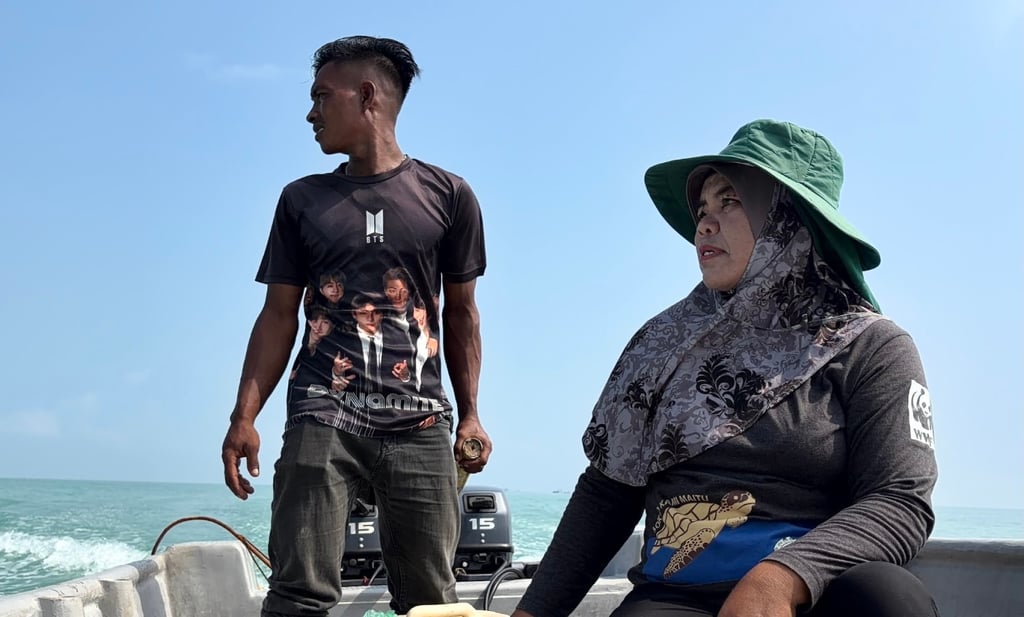
Sitti and Roziah consider their roles as complementary to those of the enforcement agencies as they pursue the common goals of boosting Malaysia’s turtle population and conservation of other species.
“If not me, then who will do it for the generations to come?” Sitti said. “As long as I am still able to carry out conservation work, I will continue.”
Sitti added that she and the volunteers faced constant risks of potential confrontation with turtle poachers and stormy weather when they were out on boat patrol.
These challenges do not faze Roziah. “We must have courage and determination. That is the most important thing,” she said.
KioskNews shows a cleaned-up reading view extracted from the publisher’s page — the original always lives on their site, not ours.