Peacock's Forgotten 10-Part Horror Fantasy Series Still Deserves a Revival

Kelcie Mattson is a Senior Features author at Collider. Based in the Midwest, she also contributes Lists, reviews, and television recaps. A lifelong fan of niche sci-fi, epic fantasy, Gothic horror, elaborate action, and witty detective fiction, becoming a pop culture devotee was inevitable once the Disney Renaissance, Turner Classic Movies, BBC period dramas, and her local library piqued her imagination.
Rarely seen without a book in one hand and a cup of coffee in the other, Kelcie explores media history (especially older, foreign, and independent films) as much as possible. In her spare time, she enjoys video games, amateur photography, geeking out over music, and attending fan conventions with her Trekkie family.
To paraphrase Jane Austen, that prominent scholar of social dynamics, it's a truth universally acknowledged that vampires and teen dramas go together like bread and butter. Wrap universal coming-of-age experiences inside a glossy sheen of supernatural-fantasy metaphors and forbidden romances, make sure the melodramatic narrative stakes echo the heightened emotional turmoil that accompanies adolescence, and give the escapism an earnestly heartfelt, even subversively groundbreaking, edge — time and again, these stories appeal across all decades and age demographics.
Despite having the formula at their fingertips, streaming programming has yet to replicate the same years-long hold that the likes of Buffy the Vampire Slayer and The Vampire Diaries maintained on network TV. Vampire Academy, a Peacock original series based on Richelle Mead’s novels of the same name, got the closest to striking gold. Small wonder, since it had all the right ingredients; similar to how Mead's six books were a staple of the same YA vampire boom that produced Twilight, Vampire Academy co-creators Julie Plec (The Vampire Diaries) and Marguerite MacIntyre's (The Originals) credentials made them the perfect fit to remix Mead's universe. The CW alumni are Michelin-star chefs when it comes to engaging interpersonal dynamics and high-stakes emotion that viewers eat up with the world’s biggest spoon. By cancelling Vampire Academy after one season, Peacock denied the series the chance to blossom into a long-term streaming fantasy highlight. As it stands, the show is still a must-see.
What Is 'Vampire Academy' About?
Vampire Academy's daunting lore surrounds a secret vampire society known as the Dominion. The ancient hierarchy consists of the Moroi, a species of aristocratic mortal vampires born with a sensitivity to the sun, a need for blood, and the ability to wield elemental magic. Protecting these royals is the loyal Dhampir, half-vampire and half-human guardians who undergo rigorous training at St. Vladimir’s Academy before fulfilling their decreed birthright.
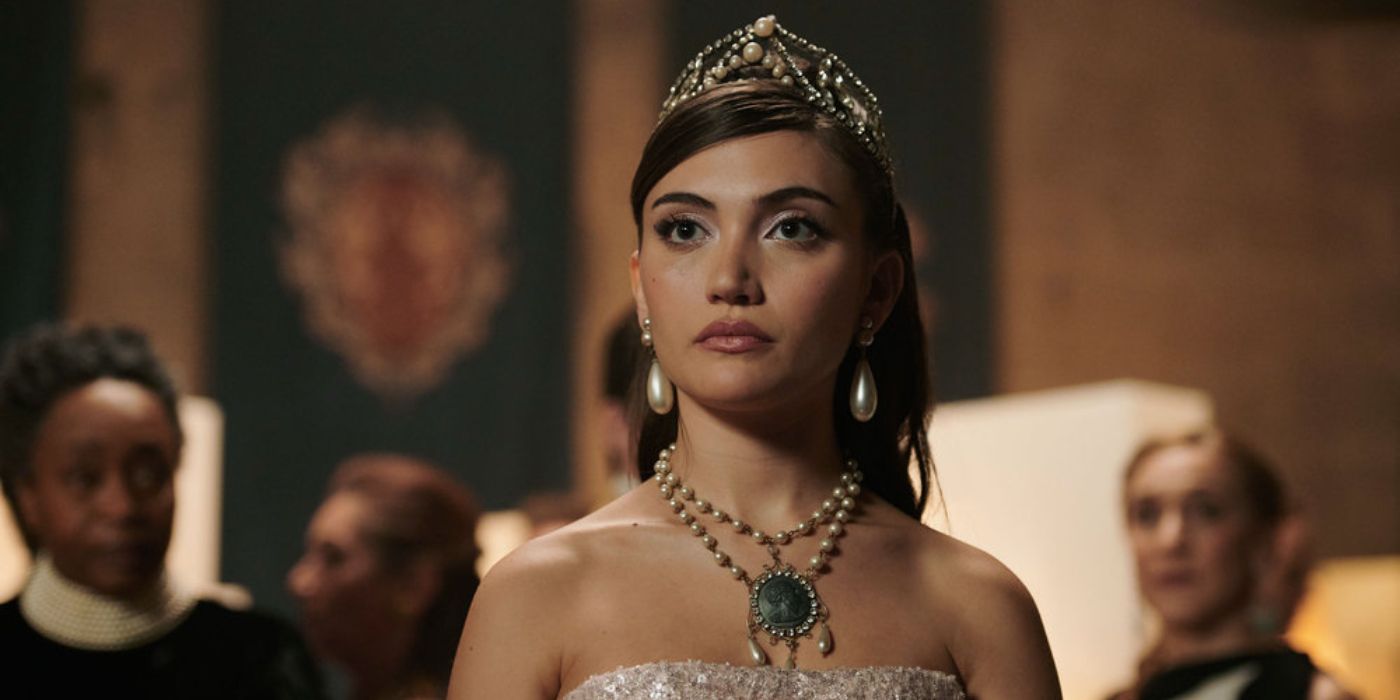
Unlikely best friends Lissa Dragomir (Daniela Nieves), the heir to her Moroi family's royal legacy, and Rose Hathaway (Sisi Stringer), Lissa’s Dhampir bodyguard-in-training, find the futures they eagerly anticipated forever altered by a tragic accident. As the Dominion battles a fresh wave of attacks from their long-standing enemies, the ferocious Strogoi vampires, the young women unearth — and begin to dismantle — the corrupt, self-destructive truth buried inside their home's not-quite-undead heart.
'Vampire Academy' Is a Classic Teen Supernatural Drama with a Refreshing Twist
Vampire Academy isn't as instantaneous a lightning strike as Plec and MacIntyre's previous work, nor are the stylistic and plot tropes entirely new offerings. That is somewhat the point. Vampire Academy might be cheesy, but it's the most welcome kind of cheese — a feast of alluringly familiar comforts. This tantalizing world of apocalyptically fraught conflict, conspiratorial mysteries, intoxicating romantic chemistry, and revelatory self-discovery fills the void left by Vampire Academy’s predecessors with equal parts sensitivity, efficiency, and indulgence.
The showrunners do, however, differentiate the series enough where it counts. Plec and MacIntyre take full advantage of Peacock's production budget; the Dominion's ornate visuals might be a pretense, but the Bridgerton-meets-dark-academia aesthetic alone is worth the price of admission. Mead's refreshingly daunting world-building (both invented and drawn from Romanian folklore) and labyrinthine political intrigue take precedence over small-town high school angst, and in all forms: cautious alliances, surprise betrayals, justified rebellions, the weight of responsibility, and how the greatest enemies lie on the inside rather than the outside. By the time the Dominion's power-hungry and tradition-upholding ways crescendo into a semi-cliffhanger ending, Vampire Academy's narrative momentum rivals the Strogoi armies in nigh-unstoppable momentum.
As for Lissa and Rose, although both enjoy their respective star-crossed love affairs, the series ensures that the unwavering friendship between these two superb, curious, and self-sufficient heroines remains Vampire Academy's biggest anchor and selling point. They're effortlessly memorable with quips and vulnerabilities aplenty; that same aspect extends to the wider supporting cast, as well.
Like many streaming series, scattered instances of clunky character beats and frantically paced plot shifts illustrate how Vampire Academy could’ve benefited from more than 10 episodes. When the payoff for normal Season 1 growing pains is this auspicious, however, such critiques — although fair to acknowledge — are small potatoes. In early 2023, Plec confirmed that the cast's contracts had expired before the series could find another streamer. Reuniting the entire crew would be difficult. More impossible resurrections have happened. Canceling a promising series before it can gain its strongest foothold might be commonplace, but considering what Vampire Academy might have become, it's no less disappointing.
KioskNews shows a cleaned-up reading view extracted from the publisher’s page — the original always lives on their site, not ours.