EC tells SC decisions were unanimous, but silent on why two members weren’t informed
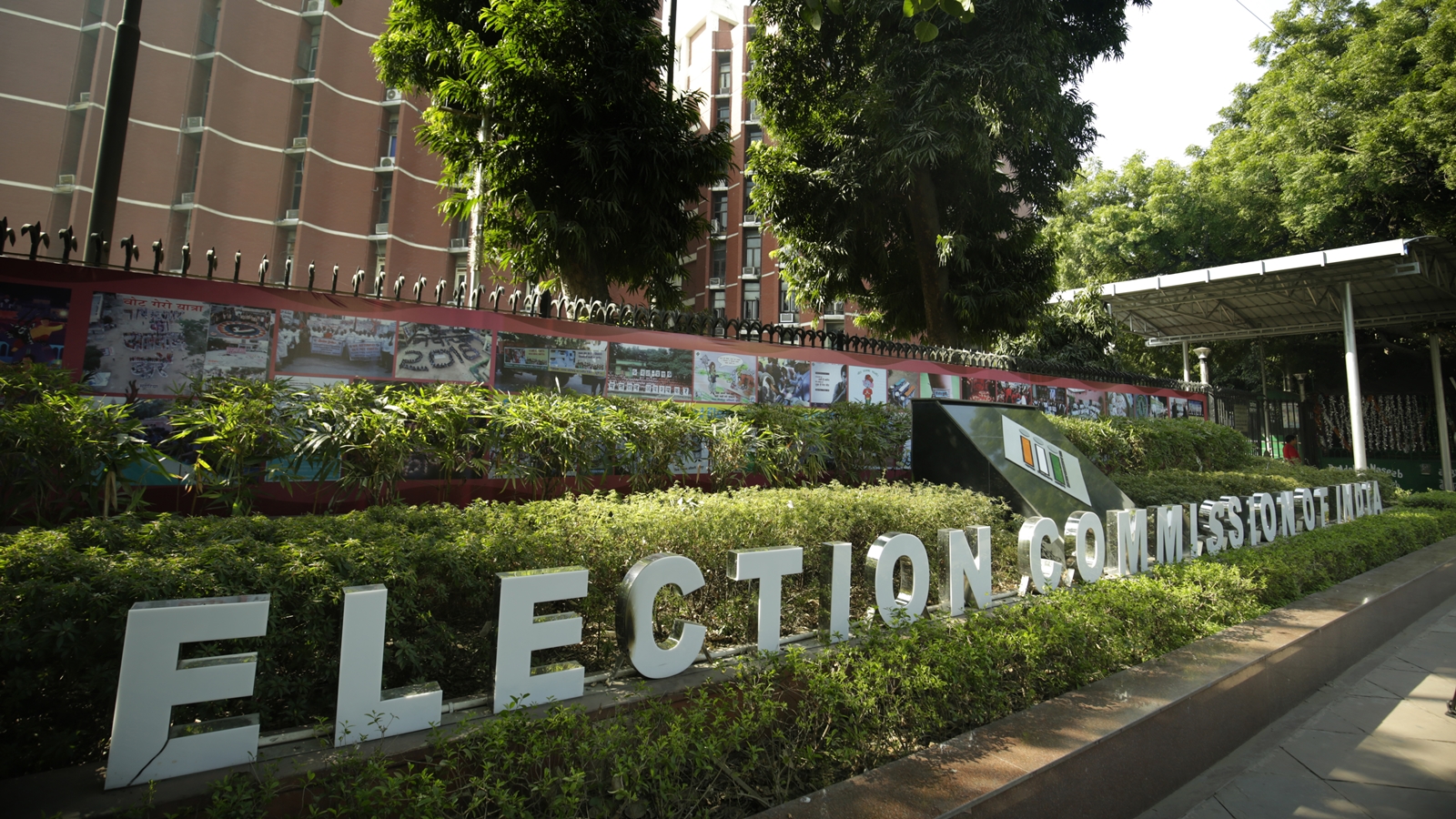
The Election Commission of India’s affidavit in the Supreme Court is, in one sense, a defence of unanimity. Approved for filing by a unanimous decision of all three members, it insists that the Commission’s major decisions on the Special Intensive Revision (SIR) of electoral rolls were taken collectively. Notes recording suggestions, observations or queries by individual Commissioners, it argues, do not themselves constitute decisions of the Commission and are part of the consultative process.
That would be an answer if the two Commissioners had objected before the decisions were taken. Most of the 14 notes recorded over 10 months by Election Commissioners Sukhbir Singh Sandhu and Vivek Joshi were written afterwards. A decision had been taken, a system built, an order issued or a case filed, and the note records that they had not been told. The issue the investigation by The Indian Express raised was not whether the Commission eventually approved the decisions. It was whether two of its members were being consulted and informed about actions carried out in the Commission’s name.
A petition filed on the strength of that report asked the court to examine how the Commission is functioning. The affidavit is the Commission’s reply. It sets out the Commission’s position on how decisions are formally taken. It does not, by itself, resolve the concerns the two Commissioners recorded about how the process worked in practice.
Take Form 6, the statutory form through which citizens apply to be included in the electoral roll. In May, before any change, Joshi recorded that the form could not be altered without an amendment to the Registration of Electors Rules, 1960, and Sandhu concurred. The change was made anyway in the online version of Form 6, in July. Sandhu learnt of it from a newspaper report, and, in August, described the declaration inserted into the online form as “unauthorised/ illegal”.
The affidavit now argues that the declaration introduced for the SIR was a separate document, not an amendment to the statutory form. It acknowledges, however, that the way the declaration appeared online “could be construed as though an amendment of Form 6 had been made,” and that “certain steps taken by the officers” needed “to be corrected.” The Commission’s ER Division has since decided, on October 21, to separate the statutory Form 6 from the SIR declaration in the online application process.
That is an explanation of the Commission’s legal position. It does not say who approved the online implementation in July, or how it went ahead two months after two of three members had recorded, in writing, that it should not. The affidavit says the declaration “was entered into the online page of Form 6”. It does not say by whom.
The same distinction runs through the dispute over ECINet, the platform through which electoral roll functions are carried out. The affidavit says the Electoral Registration Officer remains the statutory authority responsible for the roll, that “no entry is added or deleted or modified except by order of the Electoral Registration Officer,” and that the software is meant to enable the officer to exercise those powers. It also sets out new arrangements for reviewing the platform’s compliance with the law, through a committee that includes experts from IIT Mumbai and IISc Bengaluru, and for scrutinising new IT modules before they are approved.
Story continues below this ad
These are significant steps. They are also, almost to the word, what Joshi proposed on May 29, when he wrote of “the gradual centralisation of the electoral roll database” and asked for a committee with an outside expert from the IITs to certify that “no one, except the concerned statutory authorities, has credentials to make any change in the database.” Sandhu endorsed it in July. On August 14, Sandhu recorded that what became of the two notes “is not known to the undersigned.” The affidavit presents the committee as the Commission’s decision of September 26 and 30. It does not mention the May proposal.
Nor does it mention the two Commissioners’ notes on the software about what the law says. They were about what had already been built. Sandhu recorded in April this year that the IT division had developed “many new modules and portals” without any being brought to the Commission, and that he had learnt of them “from media only.” In August, he recorded that field officers were reporting they could not use the system to do what the law required of them. A declaration that the ERO remains the legal authority does not, on its own, establish that the officer could implement every decision through the system at the time those notes were written.
Goa is the case in point. The affidavit refers to the 97 voters left off the final roll, 88 of whom, it says, have since applied through Form 6. That records a subsequent development. It does not explain why, in February, the software did not allow Goa Electoral Registration Officers’ decisions to be implemented, despite eight requests in seven days from the state’s election office for the software to let them reverse the deletions, and a note from the Commission’s own Deputy Election Commissioner that the “IT system cannot block necessary action.”
The affidavit’s account of West Bengal is equally consequential. It says the appeals against orders restoring voters to the electoral roll were filed by officers in the office of the state’s Chief Electoral Officer, and that “these matters were not brought to the Commission.” It also argues that the officers had authority to file the appeals under the Supreme Court’s orders.
Story continues below this ad
Joshi had asked first. On August 7, after a newspaper report on the appeals, his office sought “the factual position” from the officer in charge of the state. Five days later, Sandhu put five questions to the same officer, recording that Joshi “told me that he doesn’t have the details.” The affidavit answers two of them: whether the Commission had filed appeals, and who filed them. To the fourth, who authorised them, its answer is that the officers had authority under the Supreme Court’s orders. But the answer raises a question of its own. Sandhu’s note records that West Bengal’s Chief Electoral Officer “told me today that she also doesn’t have any information about the details of this matter.” The affidavit now says the appeals were filed by officers of her office, citing a letter from that office dated October 22. It does not reconcile the two. Nor does it say how lakhs of appeals came to be filed on near-identical grounds, whether any case was examined individually, or how an exercise of this scale proceeded, in the Commission’s name, without the Commission, or, by her own account, the state’s chief electoral officer, knowing.
The July order is the one episode where the two Commissioners acted rather than asked. A senior officer, within hours of being given temporary charge of the Commission’s administration, had issued an order redistributing work among its officers. Joshi’s letter to the Cabinet Secretary records that when he asked the Administration Division for the file, “it was not provided.” The affidavit says the order was never implemented after the two Commissioners’ joint direction, and that the letters they wrote were in relation to it. It does not say why an order of that kind was issued without the Commission in the first place, why the file was withheld from a member of the Commission, or what has happened to the officer, who is not named.
On the documents the petition rests on, it says the Commission “has neither released nor authorised the release of any internal note/ file to any news agency,” which contests how they reached the public, not what they say.
The affidavit is now the Commission’s collective position before the Supreme Court. The test will be whether the explanations and corrective measures it describes resolve the specific questions raised by the record. The concerns documented by two Commissioners were about learning things after they had been done. That is what the Commission still needs to answer.
KioskNews shows a cleaned-up reading view extracted from the publisher’s page — the original always lives on their site, not ours.