The day bad weather brought half a million birds to England
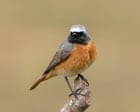
My birding mentor, the late Derek Moore, was also a keen cricketer. But one autumn day in 1965 he was unable to concentrate while fielding because many hundreds of songbirds were landing around him on the pitch at Lowestoft.
The arrival of hundreds of thousands of birds along the Suffolk coast that day became known as the “Great Fall”, and it was caused by a weather system bringing cloud, winds and heavy rain.
The conditions caused migrating songbirds heading south across the North Sea from Scandinavia to become exhausted, with many falling into the waves and drowning. But an estimated half a million survived and made landfall along a 24-mile stretch of English coastline. Having rested and fed, they then continued their long journey south to sub-Saharan Africa.
When I began birding in the 1970s, older birders waxed lyrical about the autumn falls from their youth. Yet today they are few and far between. Not because the weather patterns have changed, but simply because there are now far fewer songbirds breeding in northern Europe and migrating through Britain to Africa.
One place they do still occur – though with smaller numbers of birds – is Spurn Head on the East Yorkshire coast. Last month, birders gathered there for the annual MigFest, which, since 2013, has celebrated the wonders of bird migration – with attenders ever hopeful of witnessing one of these extraordinary falls.
KioskNews shows a cleaned-up reading view extracted from the publisher’s page — the original always lives on their site, not ours.